

Reading the range without overbuying
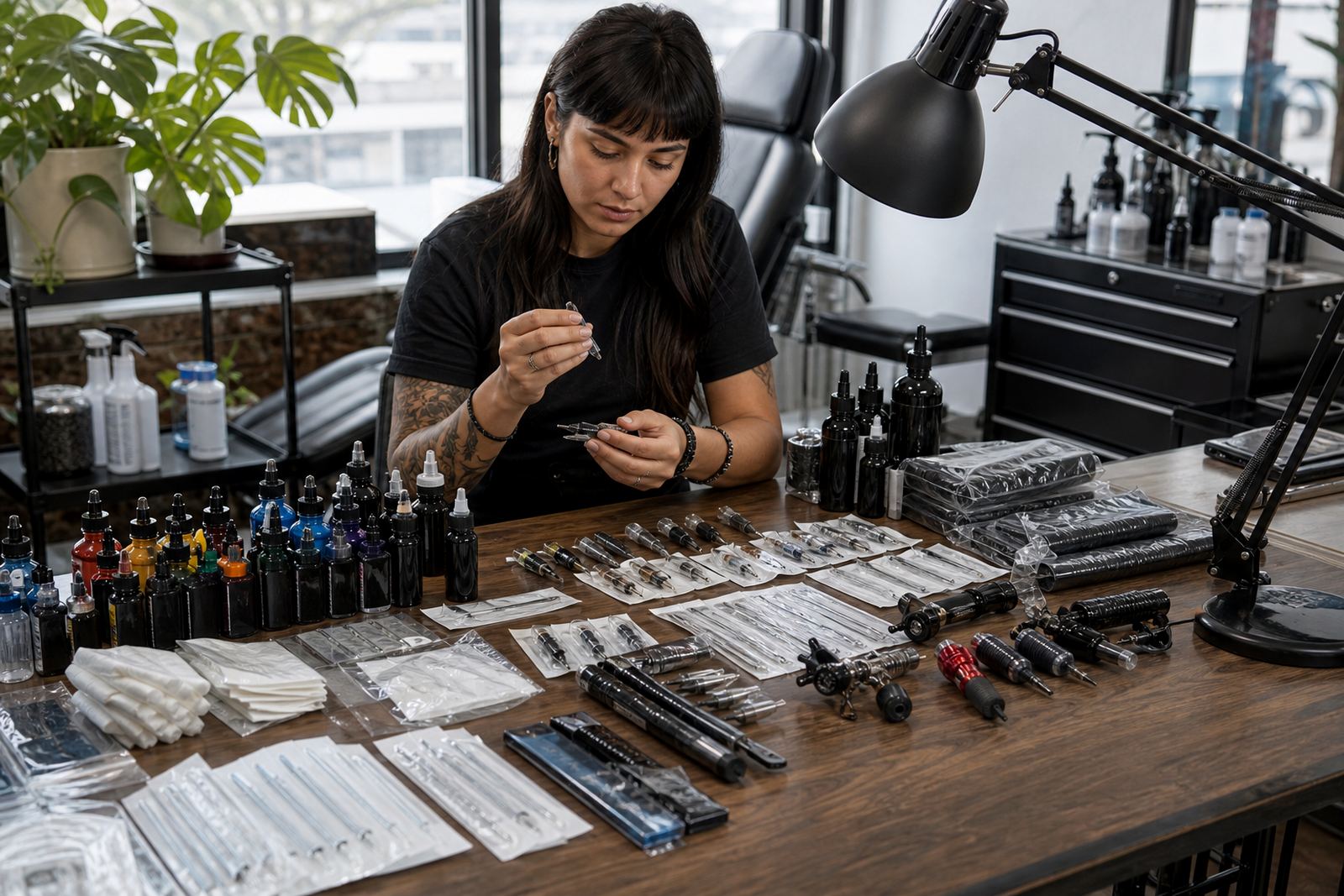
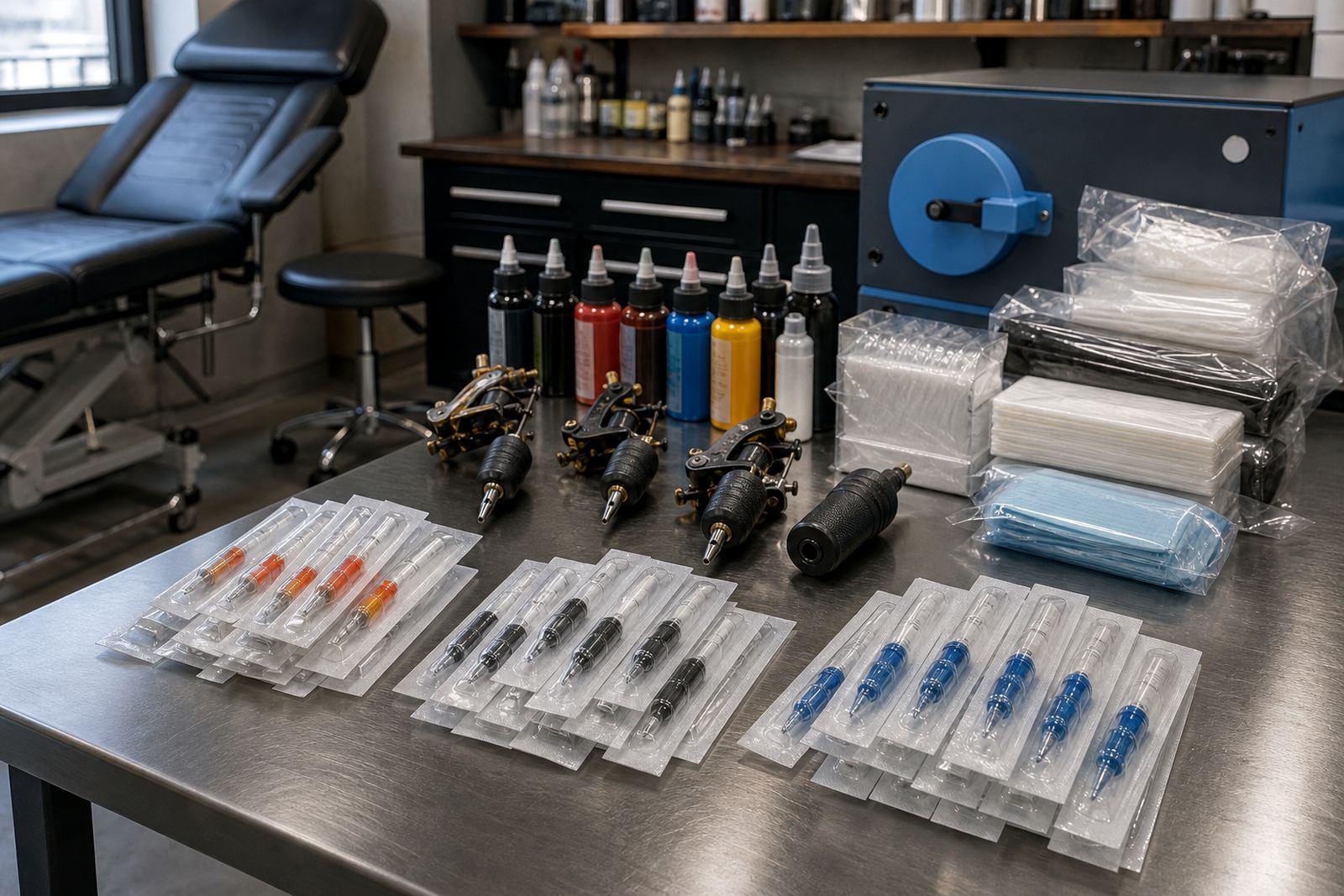
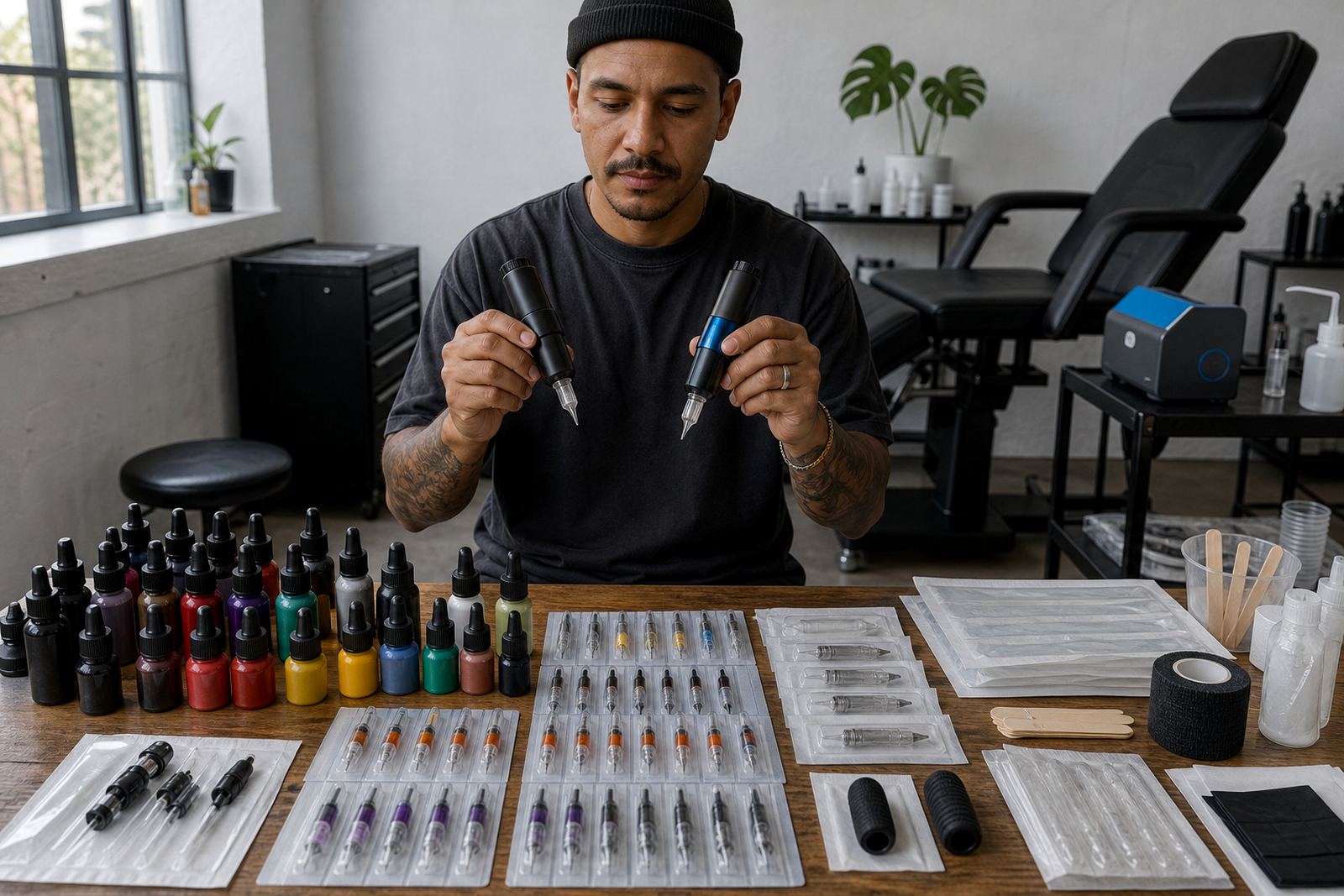
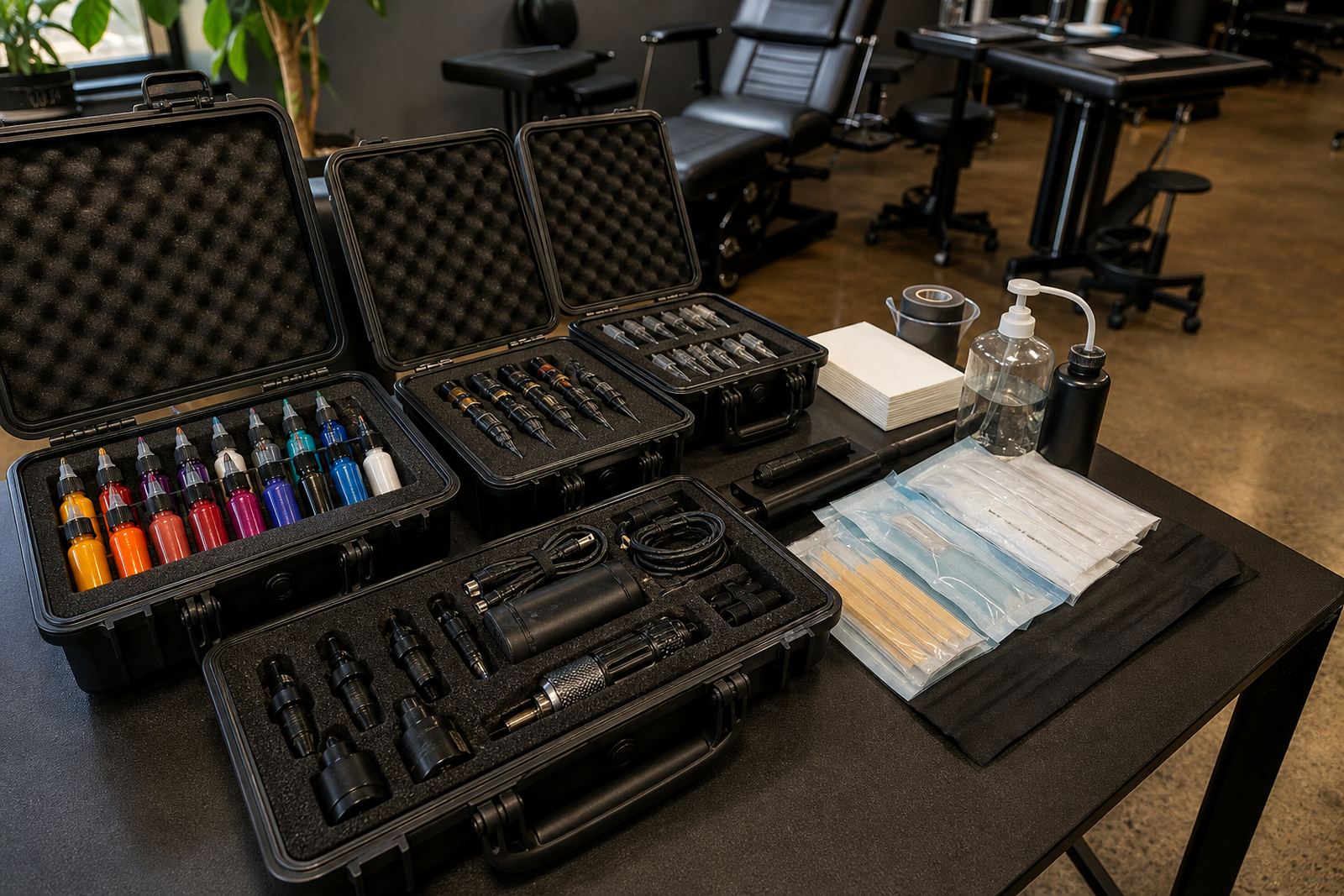
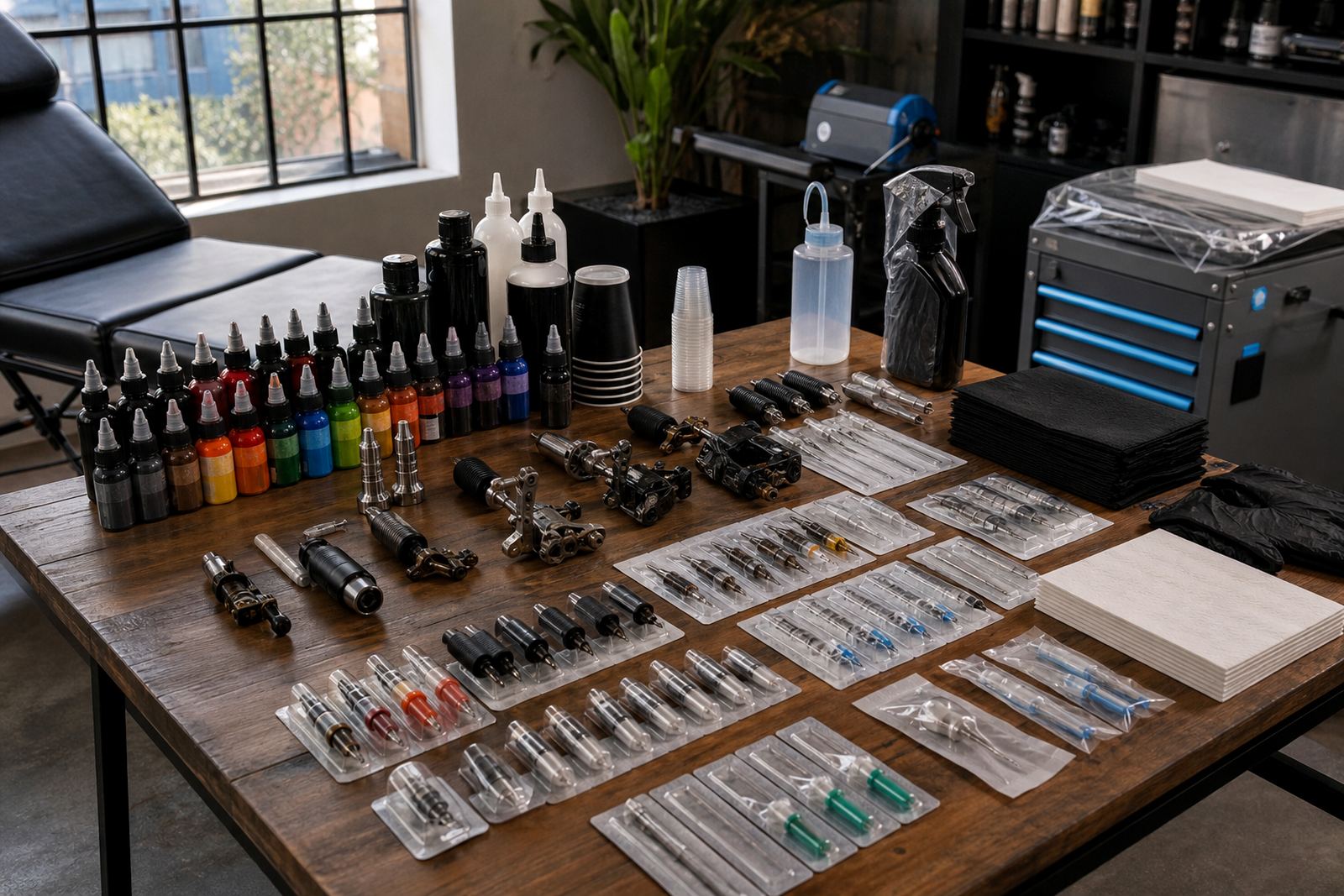
Studio buying works better when the supply list is broken into clear groups, then matched to the way your artists actually work. Ink, needles, cartridges, machines, barriers, clip cord covers, grips, ink caps and cleaning consumables each have a different place in the room, so a quick comparison can save space and prevent mixed stock that sits for too long.
In Cape Town, Johannesburg, Durban, Pretoria and Gqeberha, studios often need the same core items but in different volumes. Smaller rooms may want tighter kits for walk-in work, while busier studios prefer deeper stock on fast-moving consumables. If you are planning for coastal humidity in places like Cape Town or Durban, storage planning matters as much as the product list itself.
Ink groupings that make shelf planning easier
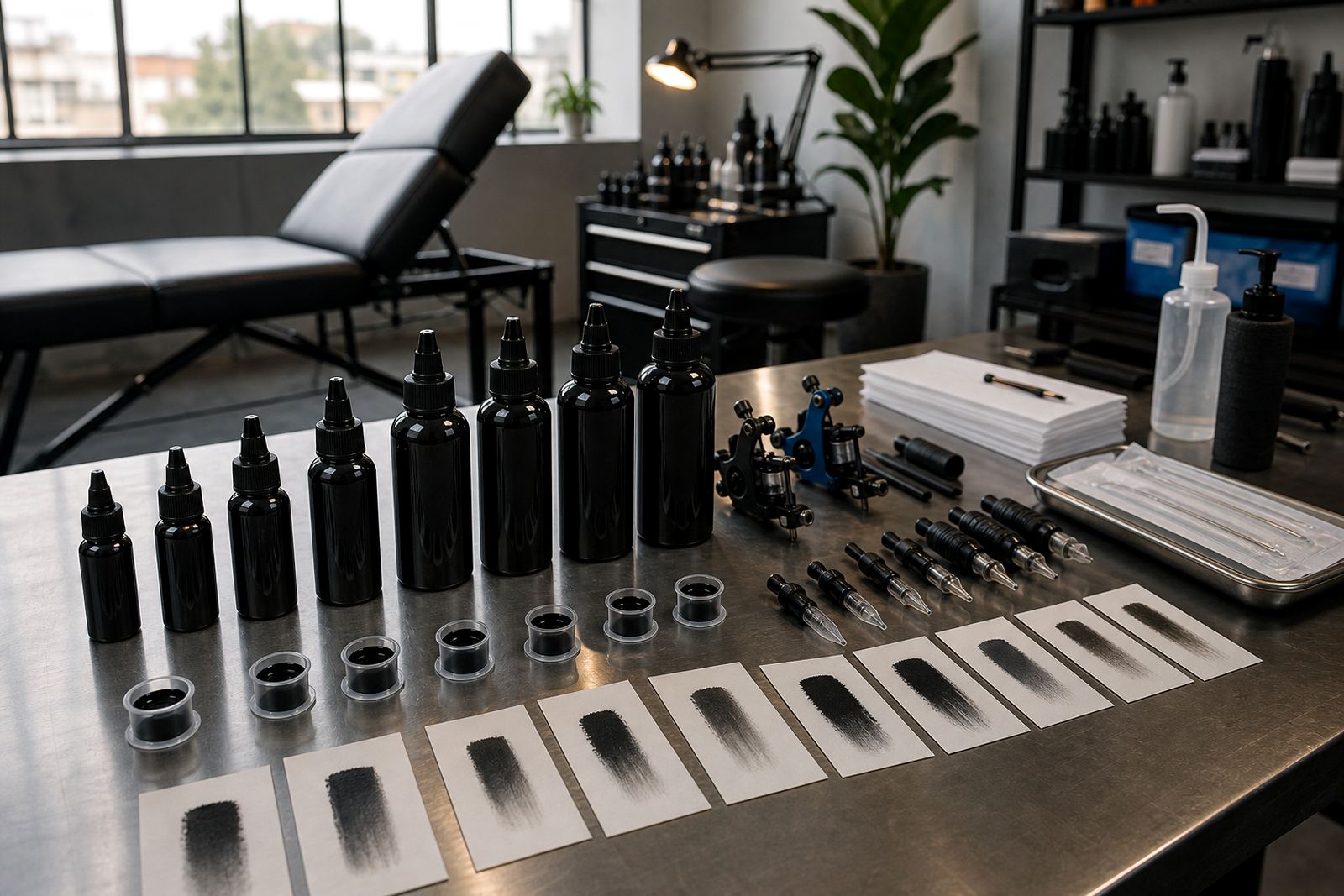
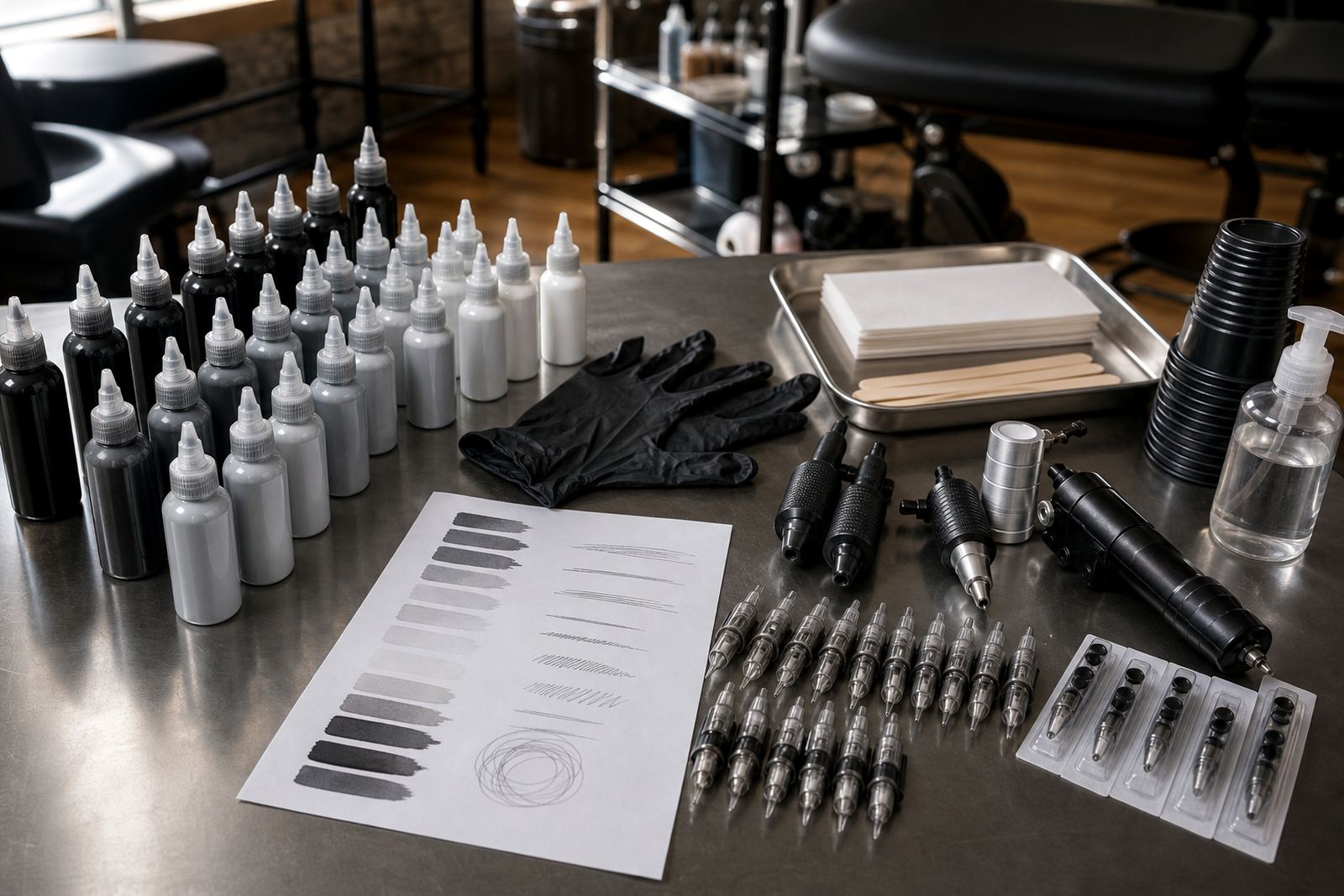
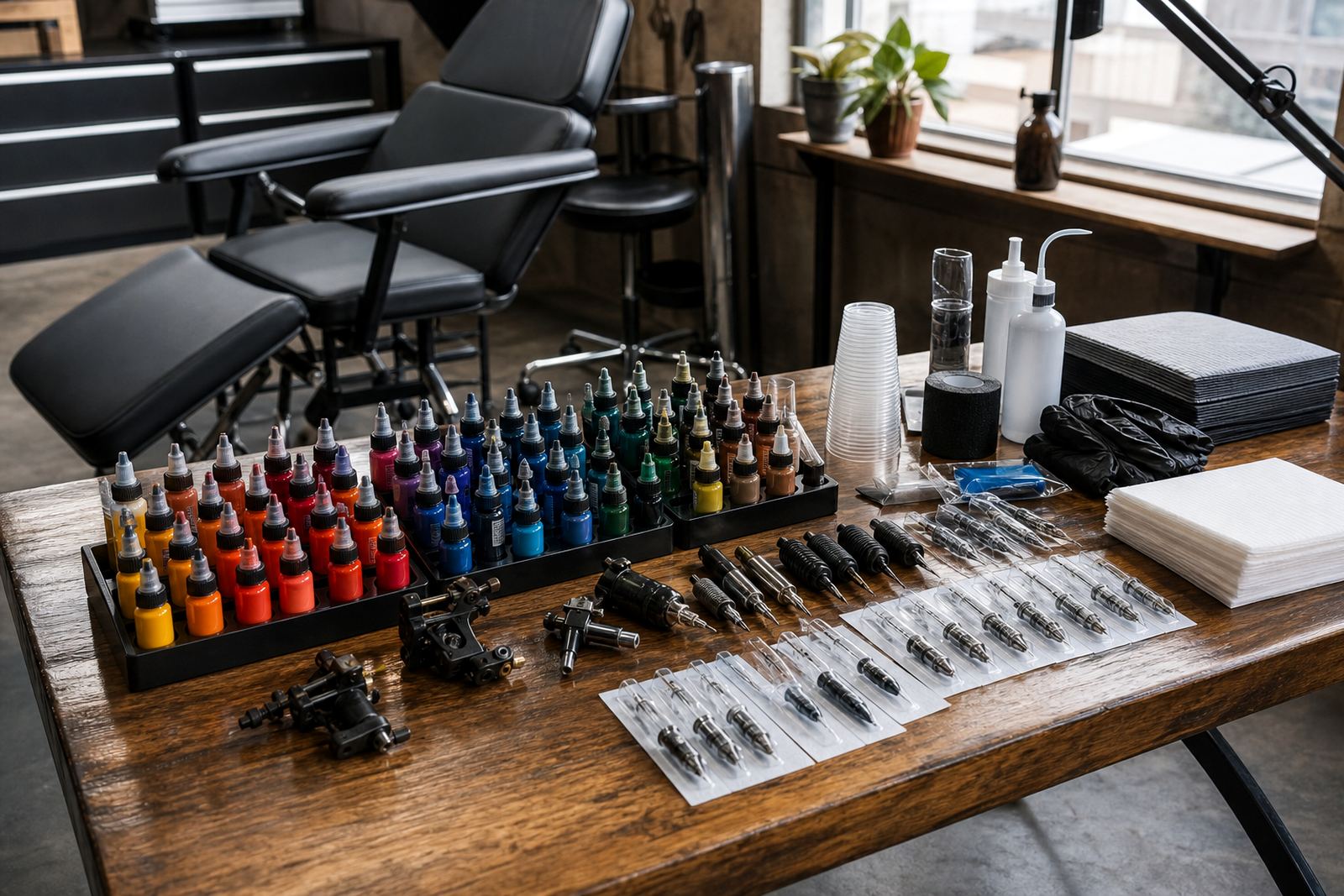
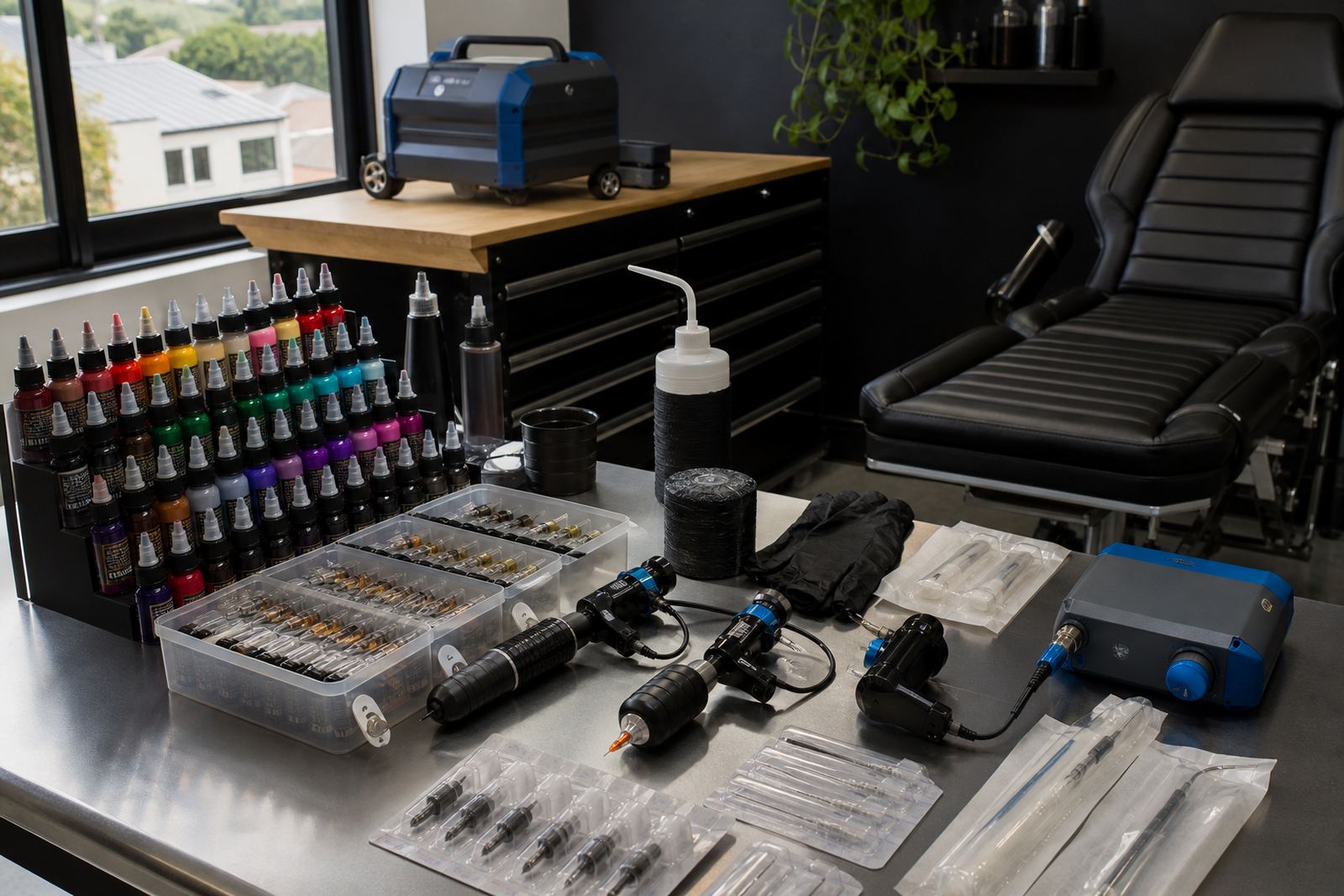
Tattoo inks are usually easier to manage when grouped by use rather than by loose single bottles. Common planning groups include lining blacks, shading blacks, colour sets, greywash styles and neutral support tones. A sensible grouping makes reordering simpler, helps with tray layout, and keeps the front shelf from turning into a mixed stack of bottles.
- Build colour families together so the most used shades stay easy to reach.
- Keep black work inks separate from brighter colour ranges.
- Check bottle sizes and cap styles before placing a bulk order.
- Store bottles upright in a dry cupboard away from direct sun.
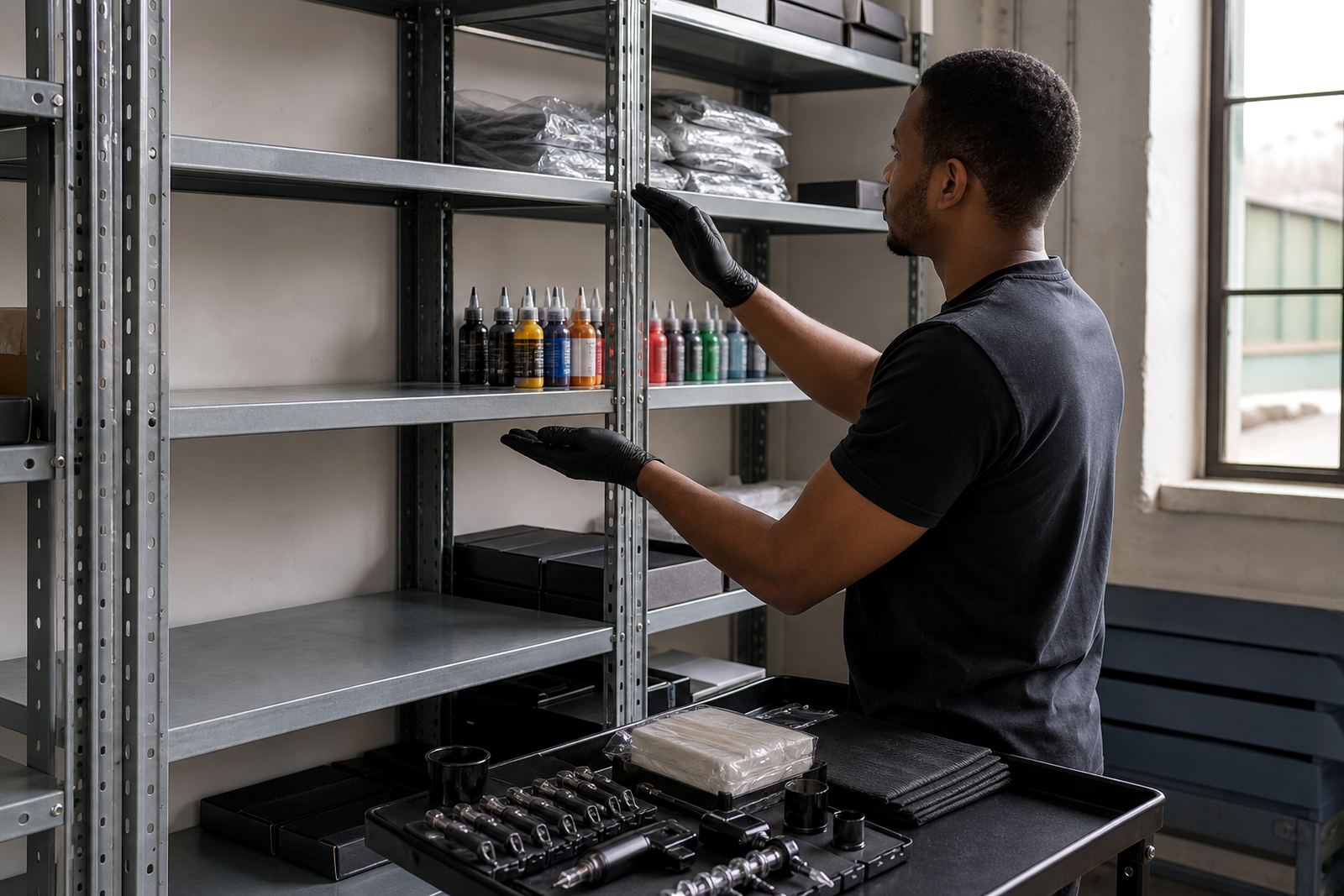
Good storage habits matter in South African studios where heat, dust and frequent movement between work areas can affect how tidy your stock remains. A neat shelf plan also helps when you are tracking seasonal restocks or preparing a new studio kit.
Needles and cartridges for different working styles
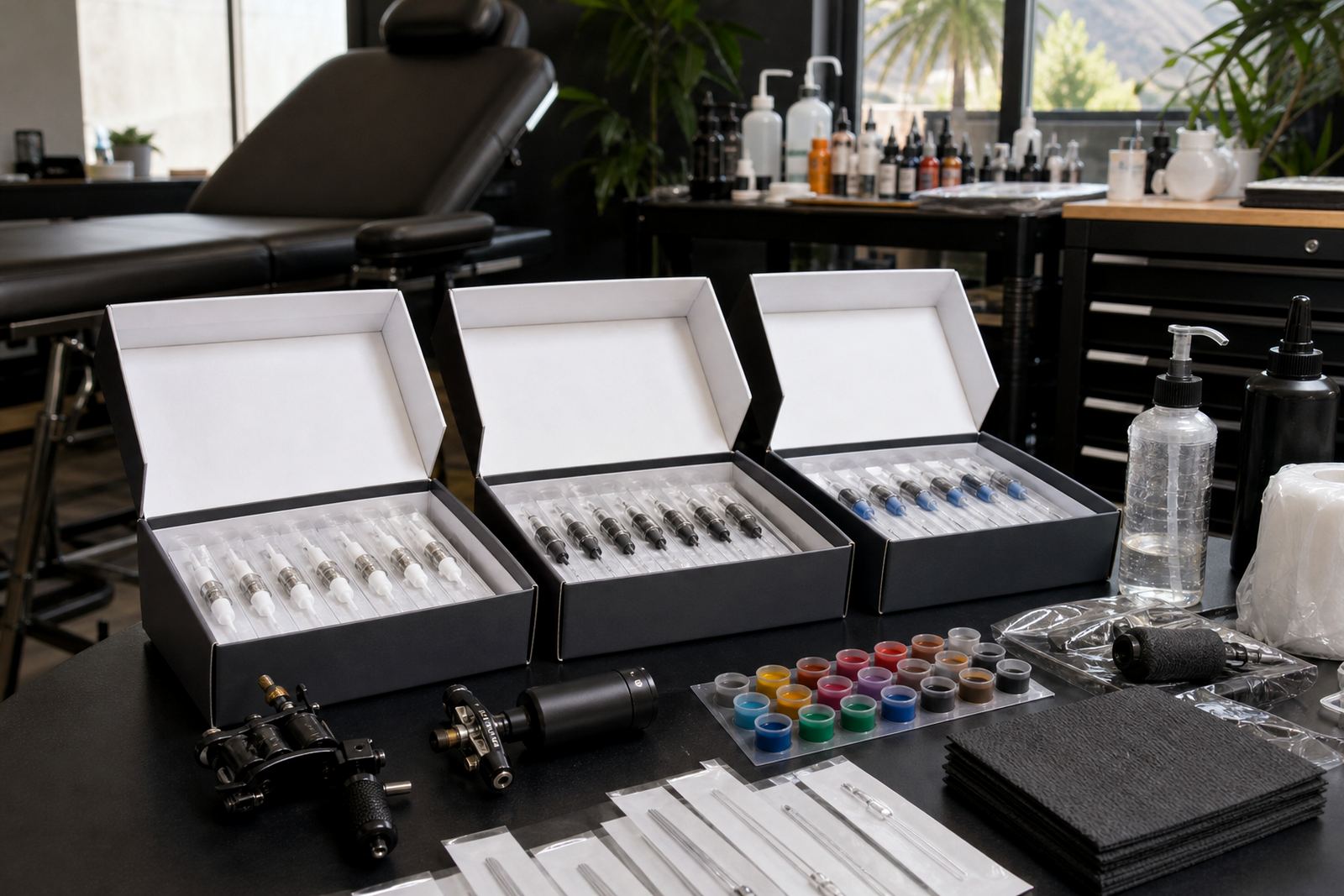
Needles and cartridge groupings are easier to compare when you look at line work, shading and soft packing separately. Some artists prefer traditional needle groupings for specific hand feel, while others work mostly with cartridges for quicker changeovers and simpler cleanup. The right choice depends on the machine setup, the artist's preferred stroke, and the kind of work being done in the studio.
- Round groupings suit controlled line work and compact detail.
- Magnum style groupings are often used for broader shading and colour fill.
- Cartridge options are usually sorted by taper, grouping size and membrane style.
- Match the grouping to the machine rather than buying a mixed box with no plan.
It helps to keep usage notes by station so one chair is not running from a drawer full of unrelated sizes. That kind of system makes consumable reorders far easier, especially when a busy week leaves less time for counting stock manually.
Machines, grips and station layout
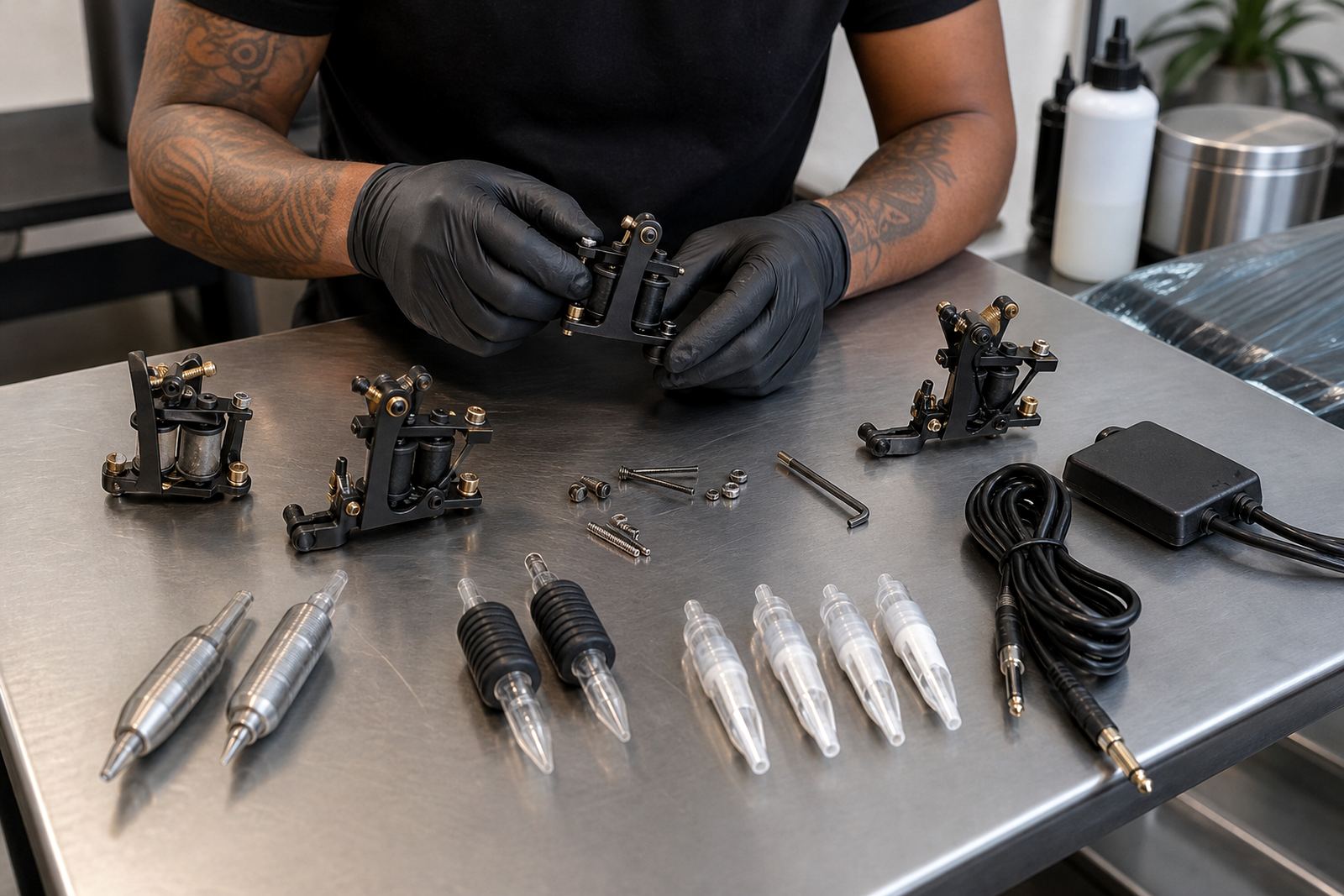
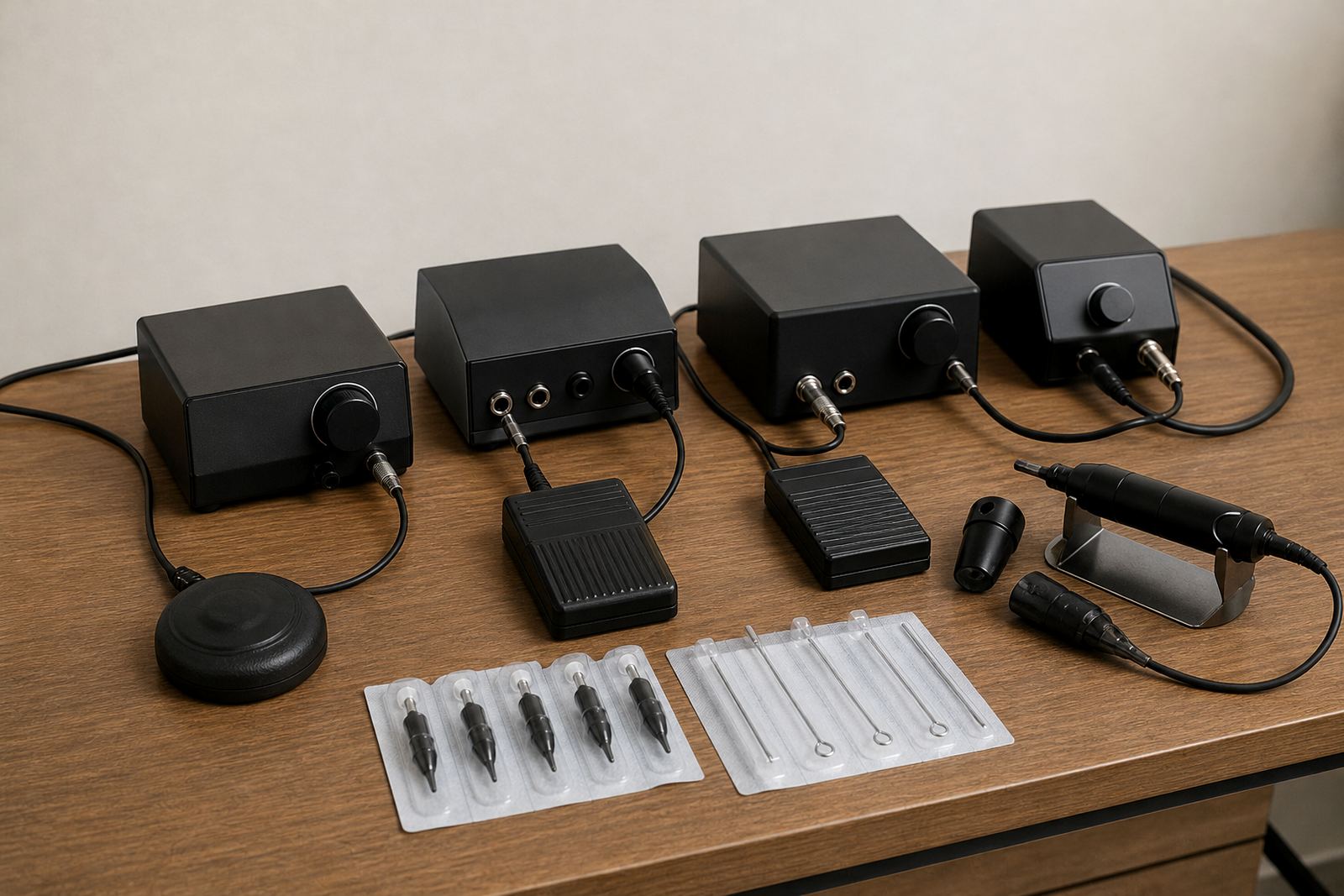
Machine choice is part of studio supply planning because the machine, the grip and the cartridge or needle choice all need to work together. Rotary machines are common in many studios, while other setups still favour different working styles for line, shade or colour packing. The guide pages help buyers compare these categories without mixing them up with general consumables.
Station planning is often overlooked, yet it affects how fast a room turns over between clients. A practical setup includes clean storage for sterile single-use items, a separate place for inks, space for packaged needles or cartridges, and a clear spot for used disposables. In high volume studios, even a small change in shelf layout can improve day to day flow.
Sterile single-use items and studio hygiene stock
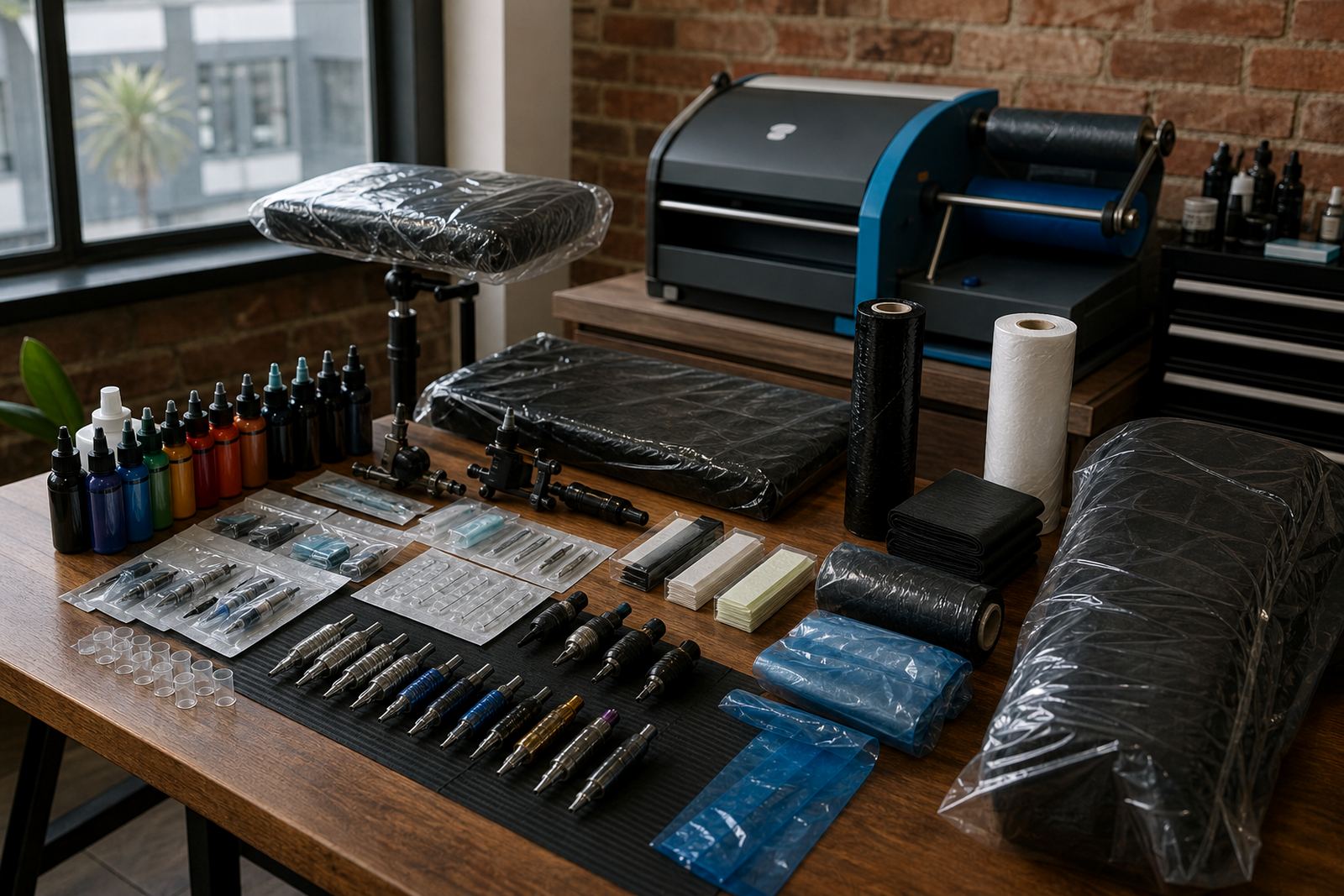
Single-use supplies are part of the day-to-day consumable list and should be planned separately from reusable equipment. That includes wrapped items, barriers, covers, caps and other products that are opened for one client use only. Buying them in sensible groupings helps keep the supply room ordered and makes dispatch planning simpler for multi-chair studios.
- Keep sterile packs sealed until needed and store them in a clean, dry place.
- Separate clean stock from opened boxes and general storage items.
- Use clear labels on shelves so staff can find the right consumable quickly.
- Follow local health regulations for handling, storage and disposal.
For studios across South Africa, this is also where delivery timing and restock planning matter. A few small boxes of key consumables can keep a room running smoothly, while larger studios may want staged ordering for busy weekends and month-end load. Load-shedding only really affects the parts of the studio that use mains-powered equipment, so the main focus here is safe storage and tidy issue control.
How the guides help with orders and stock control
These guides are meant to help you compare categories before placing an order, not to overload you with extras. If you are planning a bulk order, setting up a new studio kit or matching a cartridge range to existing machines, it helps to separate the list into core items, backup stock and optional extras. That approach keeps buying decisions practical and within budget.
For studios in Observatory, Bellville, Somerset West and across the country, the same principle applies: keep the working stock easy to count, then add only the items that your team uses regularly. Our support pages are arranged around common supply questions such as range grouping advice, machine match help, cartridge match help, storage planning, dispatch updates and seasonal restock plans.