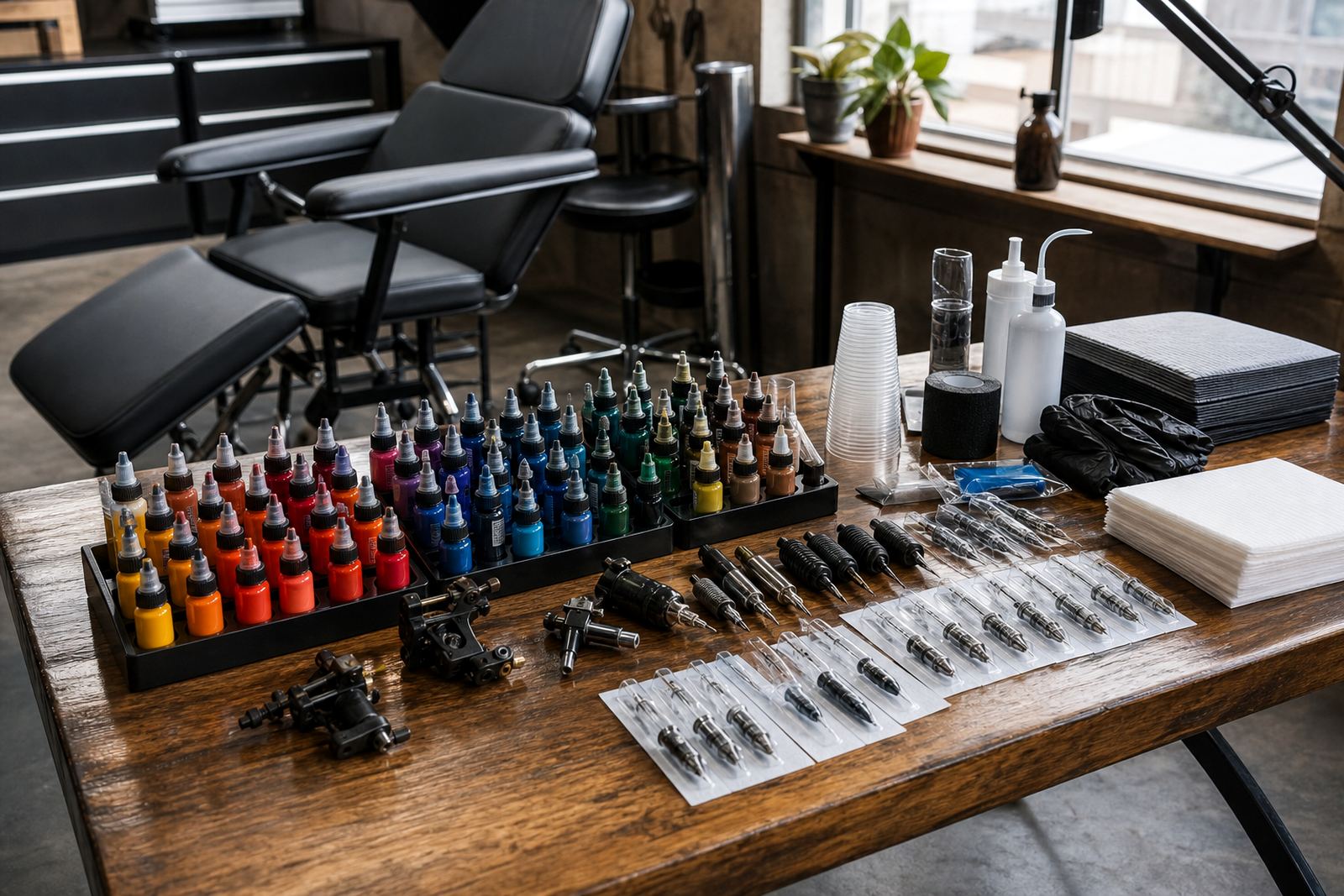
Start with the cartridge fit and stroke feel
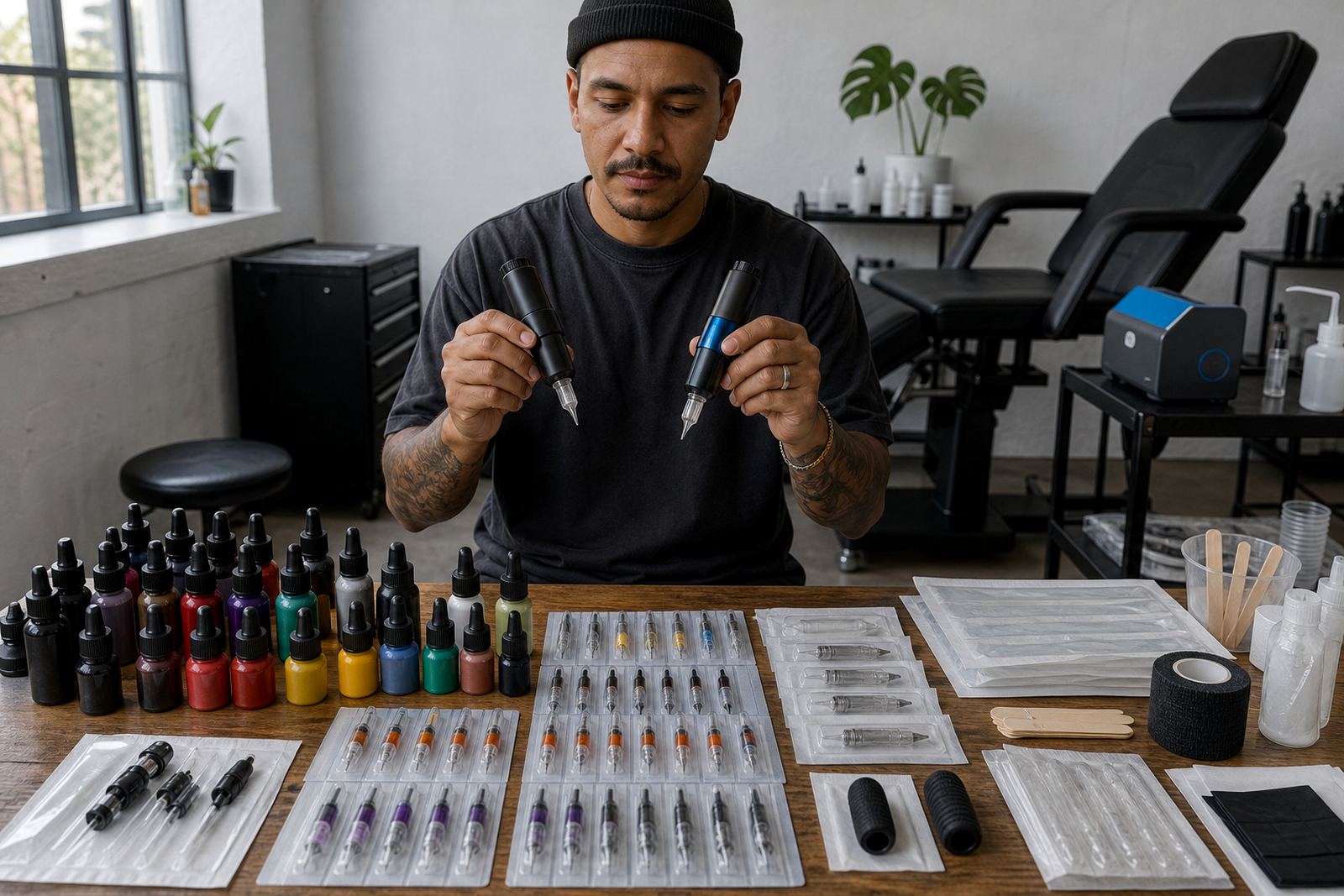
For pen machines, the first question is how they handle the cartridges you use most often. A good match should hold the cartridge securely, allow smooth needle movement and keep the feel steady through longer sessions. If you work across fine line, black and grey, or heavier colour packing, the stroke length and motor response matter a lot more than the shape alone.
Look at the range the machine is meant to cover. Some pens suit softer shading and gradual saturation, while others are better when a firmer hit is needed. It helps to compare the machine against your usual cartridge grouping instead of buying on appearance alone.
- Check cartridge fit with your preferred grouping sizes
- Compare stroke length against the styles you use most
- Look for even movement at a steady voltage or power setting
- Make sure the grip feels balanced once a cartridge is fitted
Weight, balance and hand comfort over long sessions
A pen machine can feel perfect in a short hold and tiring after a full day. Weight distribution matters just as much as total weight, especially when your sessions move between lining, packing and detailing. A machine that feels nose-heavy or too back-weighted can affect control, and that shows up fast on longer jobs.
Test how the body sits in the hand with gloved fingers. The grip diameter, length and texture all play a part. Artists who do a lot of precision work often prefer a slimmer grip, while others like a fuller shape that gives more surface to hold. If the machine is going to be used by more than one artist, a middle-ground grip is usually easier to manage.
- Hold the machine in your usual working grip, not just in the palm
- Check whether the weight pulls your wrist forward
- Compare grip size with your liner and shader style
- Look for a body that stays comfortable during longer shading runs
Motor behaviour and how it handles pressure
Pen machines differ in how they push through the skin and how they recover under pressure. A machine that bogs down when you work a bit slower can make it harder to keep your lines and shading consistent. For studio use, the motor should stay steady when you change pace, angle or hand pressure.
If your studio covers a mix of styles, match the machine to the most demanding work it must do. Some models are better for smooth, lighter operation, while others are built for a firmer punch. The right choice depends on whether you need one all-rounder or a few machines set up for different tasks. In busy studios from Cape Town to Gqeberha, that sort of planning saves time at the station.
- Ask how the motor behaves at low and mid range use
- Compare performance with lining, shading and colour packing
- Check whether the machine keeps a steady feel under pressure
- Match the machine to your main style instead of trying to force one setup for everything
Power setup, grip parts and day-to-day handling
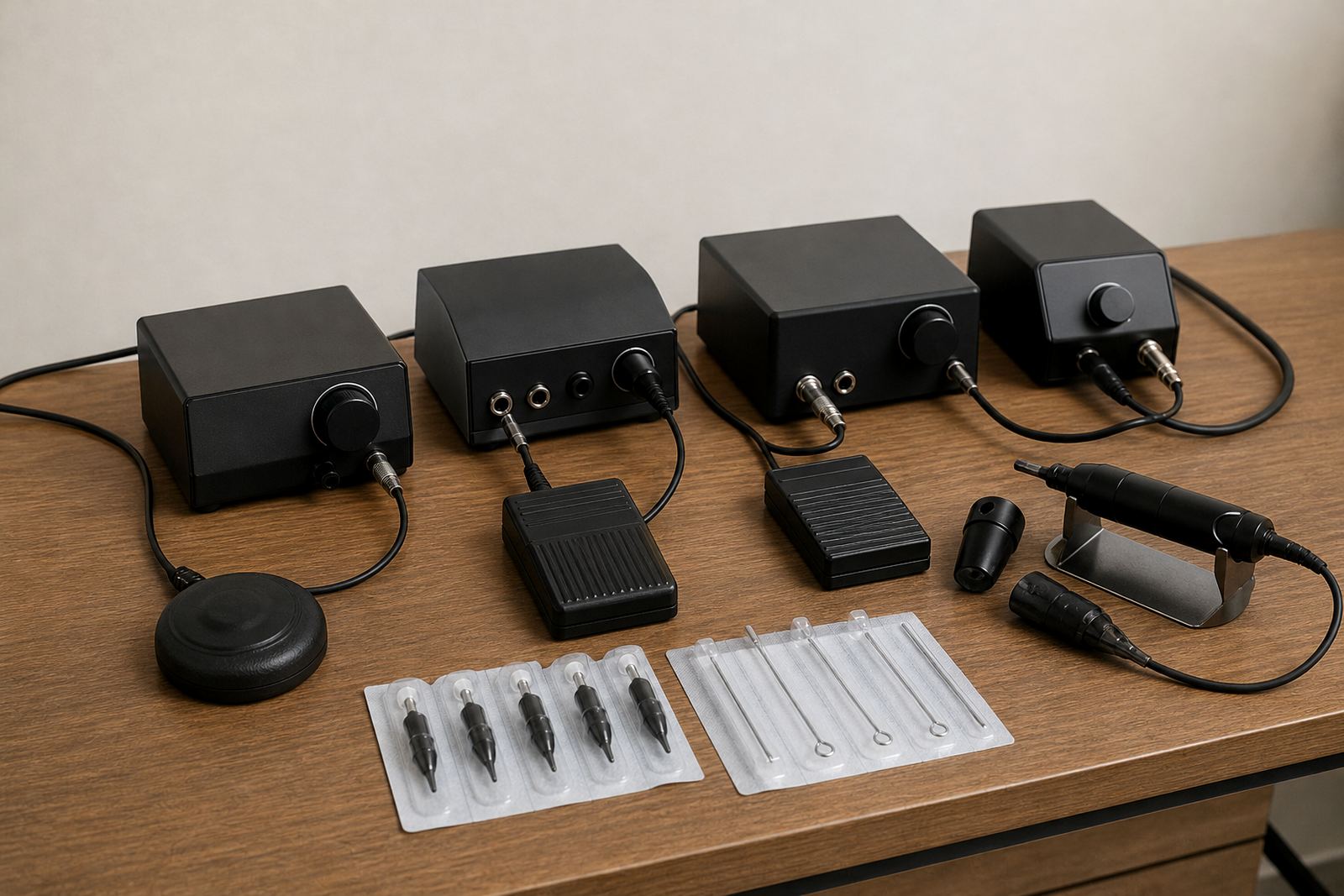
Pen machines are only as practical as the rest of the setup around them. Check the power connection, cable or battery arrangement, and whether the grip parts are easy to swap and clean. If the machine uses removable parts, make sure the fit stays firm after repeated use. Loose movement at the grip or connector can become a nuisance very quickly.
Studio teams also need to think about storage and station flow. A machine that packs away neatly, cleans down easily and fits the way cartridges are stored is easier to manage on a regular shift. In coastal areas such as Durban and parts of Cape Town, keeping metal parts dry and properly stored matters more than most people think.
- Check how the machine connects and whether the setup feels secure
- See how quickly the grip and contact parts can be cleaned between uses
- Store dry, covered and away from loose moisture or dust
- Keep spare grips, sleeves and cartridge boxes grouped by use
What to compare across cartridge groupings
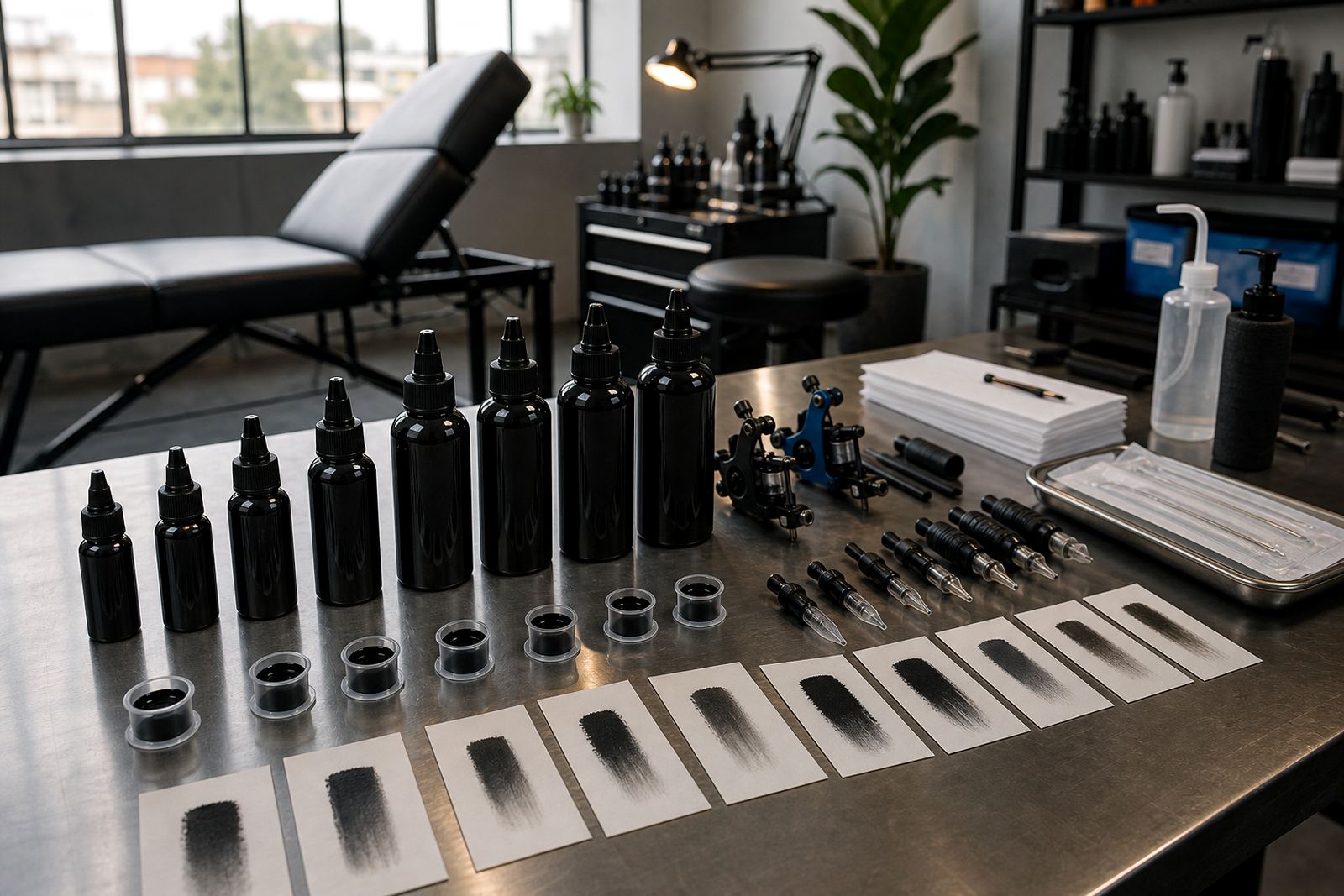
Cartridge choice and machine choice should be compared together. Fine liners, magnums and larger grouped cartridges all behave differently, and the machine should support those differences without feeling erratic. If you only compare the pen machine on its own, you can end up with a tool that looks right but does not suit your cartridge range.
For ordering and station planning, it helps to split supplies into working groups. That makes it easier to restock what your studio uses most and keep sensible back-up stock on hand. Many shops also prefer separate groupings for beginner kits, daily studio use and bulk reorders, which keeps stock control cleaner.
- Match machine choice to the cartridge groupings you buy most often
- Separate fine detail, shader and packing setups
- Keep a short list of your most used needle groupings for reorders
- Check that storage space suits the cartridges and accessories you hold in stock
Studio hygiene, storage and local compliance
For any tattoo station, sterile single-use supplies should stay clearly separated from reusable equipment, and packaging should only be opened when required for the session. Storage should stay dry, clean and orderly, with supplies protected from dust and handling damage. Follow local health regulations and studio rules for cleaning, waste handling and controlled storage.
It also helps to keep machine bodies, cartridges and other consumables grouped in a way that makes daily checks easy. In Johannesburg, Pretoria and other busy studio areas, that sort of order supports faster station changeovers. Good stock habits are practical, not decorative, and they make the whole workflow easier to manage.
- Separate sterile single-use items from reusable machine parts
- Keep boxes sealed until needed for the session
- Store supplies in a dry place with clear labels
- Follow local health regulations for studio cleaning and waste handling
A quick buying checklist for pen machines
Before you place an order, compare the machine against the work it must do in your studio. Think about cartridge fit, stroke, grip comfort, motor feel and how it will sit within your existing stock. If you run multiple stations, it may be better to standardise a few machine types rather than mix too many options.
That approach makes reorders simpler and helps with training as well. A clear machine list also supports procurement, storage planning and replacement control. For studios in Cape Town, Stellenbosch, Bellville and Somerset West, delivery planning is easier when the machine and cartridge range is already narrowed down.
- Does it suit your main cartridge groupings
- Is the grip comfortable for longer sessions
- Does the motor stay steady under normal working pressure
- Will it fit your storage, cleaning and reorder routine