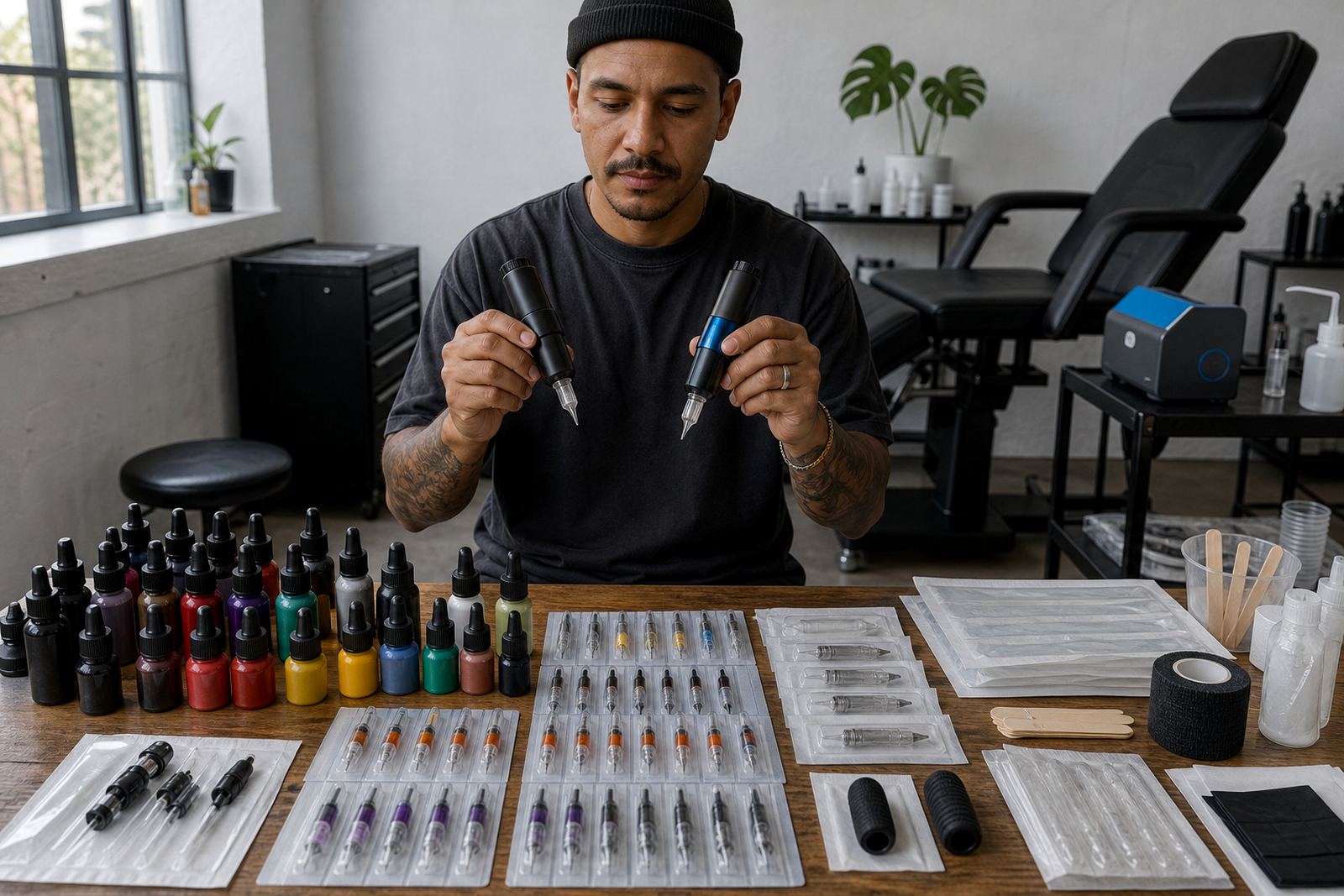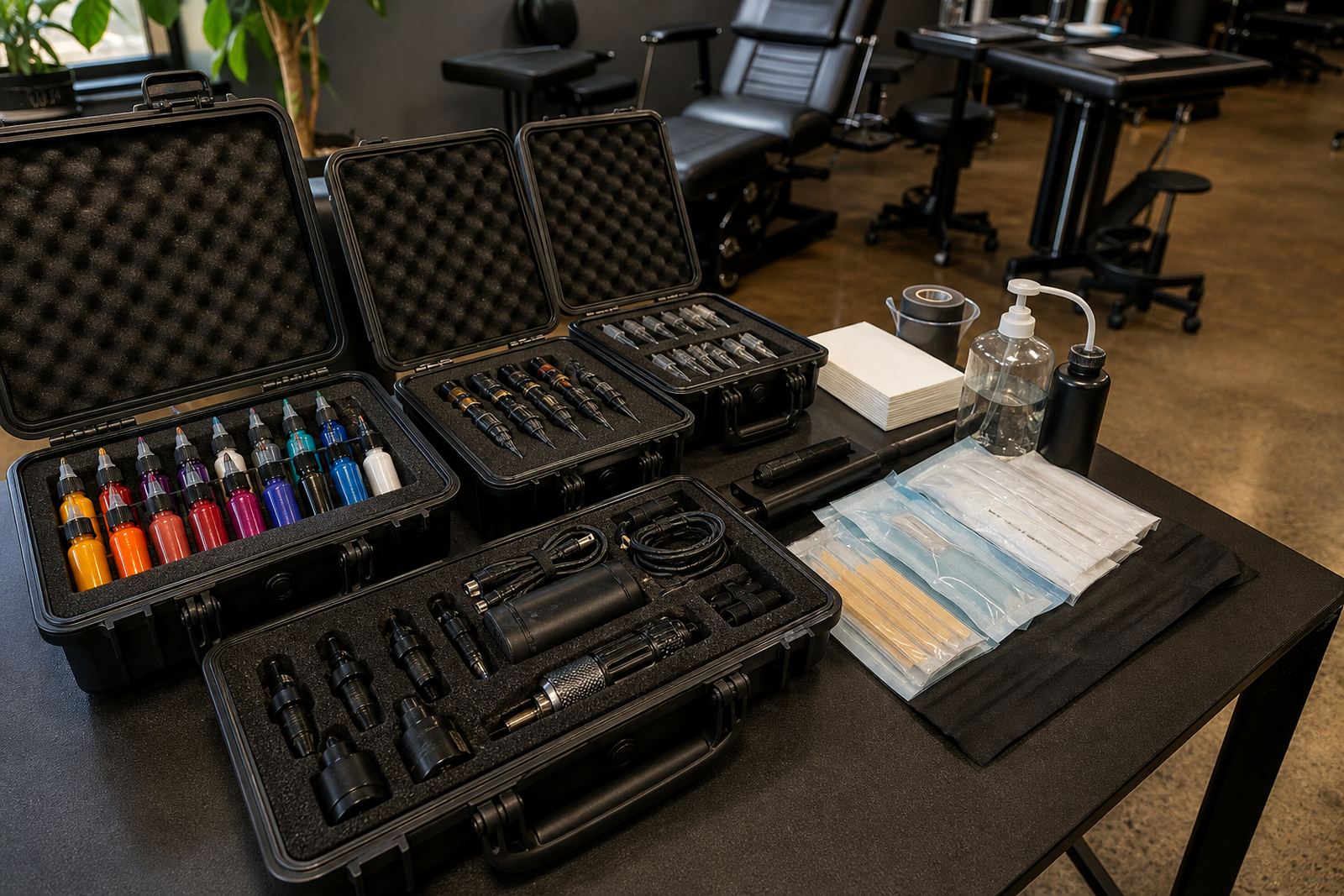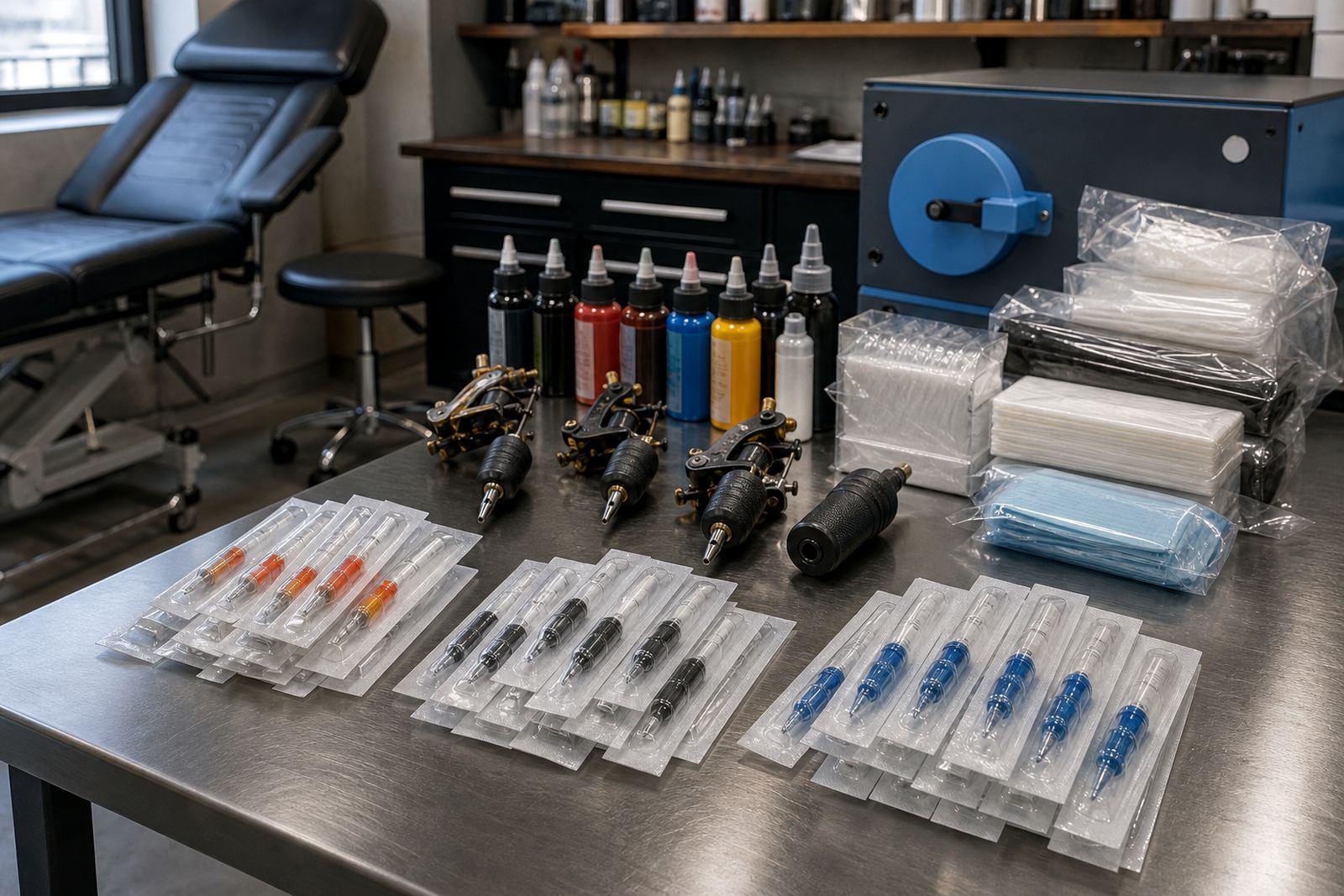

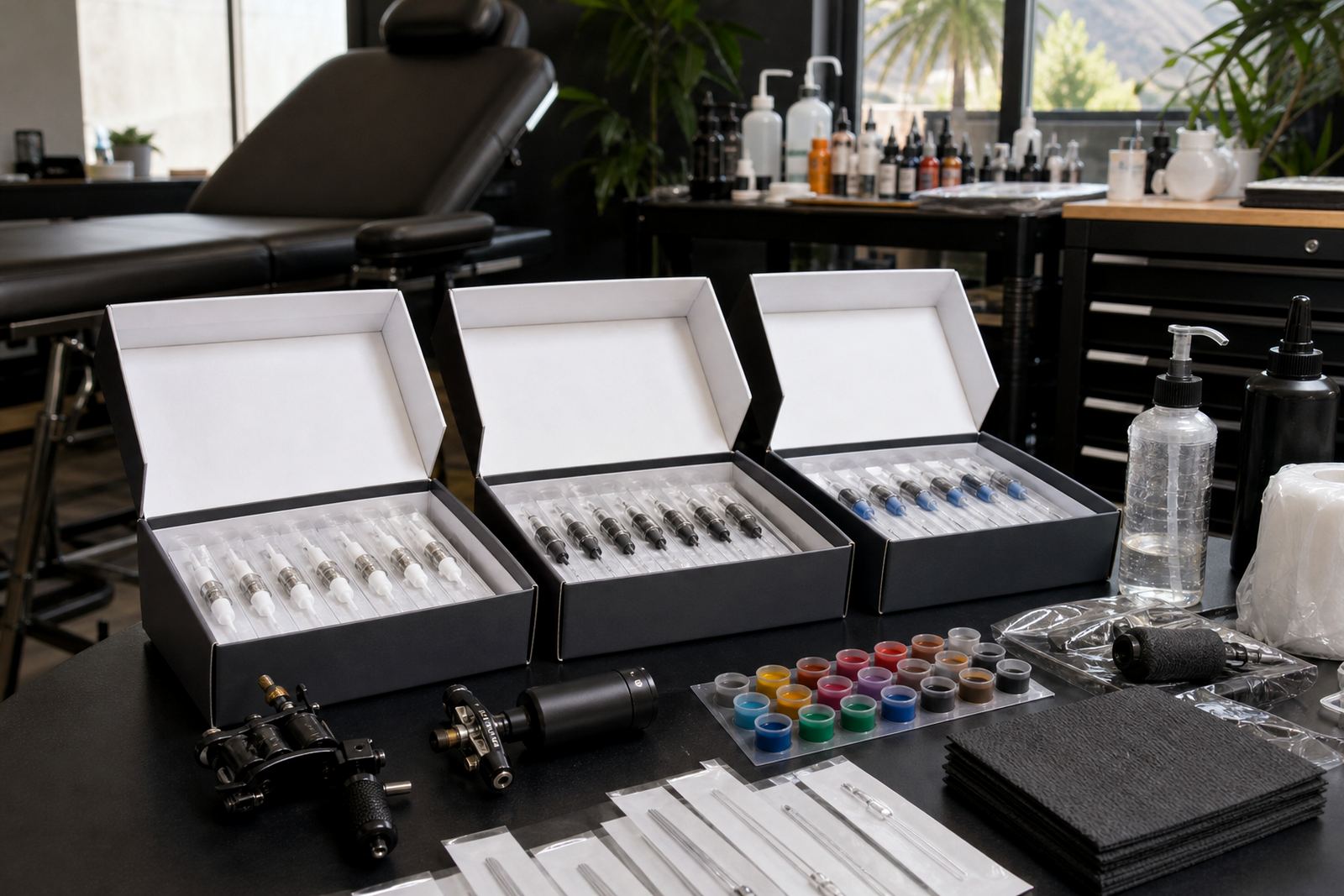
Lead with the work you do most often
Before comparing cartridge boxes, match the grouping to the kind of work you put into skin most often. Fine line, script, black and grey, colour packing and soft shading all benefit from different needle groupings and taper styles. A studio that does a lot of dotwork will reach for different cartridges than a shop that handles bold traditional outlines or heavy colour fills.
For South African studios, it also helps to think about session length and stock movement. If you work in Cape Town, Johannesburg, Durban, Pretoria or Gqeberha, your daily mix may shift depending on client bookings and travelling artists, so keep a few trusted groupings on hand rather than one oversized range that sits on the shelf.
- Fine detail: smaller round liner groupings
- Outlines: tighter liners with steadier flow
- Shading: curved magnums or soft-edge groupings
- Colour packing: wider magnums for fuller coverage
- Blending: grouped cartridges that move pigment evenly
Read the grouping before you read the packaging
The grouping tells you how many needles sit inside the cartridge and how they are arranged. A round liner keeps points close together for clean lines. A round shader spreads them slightly more for small shading or softer fills. Magnums place needles in a wider row for shading and packing, while curved magnums follow a gentle arc for smoother contact on curved areas.
Needle count matters, but it is not the only detail. Two cartridges with the same count can feel different if one has a tighter taper, a longer point, or a different needle grouping. That is why studio buyers often keep notes on what each setup does on real skin rather than relying on the box description alone.
- Round liners for line work and detail
- Round shaders for small shading and light fill
- Magnums for broader shading and colour packing
- Curved magnums for smoother edge contact
- Textured or specialised groupings for controlled pigment flow
Check fit, throw and machine movement together
Cartridge compatibility is not only about whether the cartridge locks into place. You also need to think about the machine style, stroke length and how the needle moves under load. A setup that feels good on a short stroke may feel too soft or too aggressive on a longer stroke. Some artists want more give, while others prefer a firmer hit for crisp lines.
If you are matching cartridges to a pen style machine, test the feel on your usual power settings and grip. A cartridge that tracks well on clean outlines may not be the same cartridge you want for soft grey wash. Keep your testing notes simple and practical, especially when ordering for more than one artist in the same studio.
- Check the cartridge lock and fit on the machine you use
- Match the grouping to your stroke and pressure preference
- Confirm the needle movement feels steady, not loose or scratchy
- Keep a separate note for lining, shading and packing setups
- Test small quantities before making a larger studio order
Membrane, flow and splash control in daily use
A good cartridge should help keep ink flow consistent while reducing backflow into the machine. Many artists prefer a membrane style for that reason, especially in busy studio work where equipment gets swapped during the day. The main point is not a fancy label, it is how the cartridge behaves when you are working through longer sessions and changing inks often.
Flow also changes with the way the artist works. Faster hand speed, heavier packing and different pigment thickness can all change how a cartridge feels. In humid coastal areas like Durban or Gqeberha, studio storage matters too, because temperature and moisture can affect how neatly supplies are kept and rotated.
Keep cartridges sealed until use, store them in a dry place and separate opened stock from closed boxes. That makes it easier to track what is ready for daily use and what should stay in reserve.
Build a cartridge shelf that supports the whole team
Studios do better when cartridge stock is grouped by task rather than scattered by whatever came in last. A useful shelf plan puts liners together, shaders together and magnums together, with the common sizes closest to the front. That saves time when an artist needs a specific setup for a walk-in or a booked session.
For larger studios in Cape Town, Johannesburg or Pretoria, cartridge grouping also helps procurement. You can see which types run out fastest, which sizes move slowly and which combinations need to be reordered before a busy weekend.
- Group by function: lining, shading, packing and blending
- Keep the most used sizes easy to reach
- Separate sealed stock from opened boxes
- Rotate older stock ahead of newer stock
- Record which artists prefer which grouping
Consumables that sit with the cartridges
Cartridges are part of the wider studio set-up, not a stand-alone purchase. Artists often order them with needles, machine grips, sterile single-use items, barriers, cleaning consumables and storage supplies. The benefit is practical: one replenishment list makes it easier to keep the station ready for work without last-minute scrambling.
When building a new studio kit or restock plan, think in groups. A cartridge range should sit next to the needle range, ink range and storage plan, because those items affect each other during a session. If the cartridge range is broad but the rest of the stock is thin, the team still ends up improvising.
- Needles and cartridges matched by task
- Ink bottles or caps arranged for quick access
- Sterile single-use supplies kept separate from general stock
- Cleaning and barrier items included in reorder lists
- Storage boxes and trays used to keep small parts sorted
A practical checkout list before you place an order
Before ordering cartridges, ask a few direct questions. What does the studio use most often, which artists need a specialist grouping, and how much backup stock sits on the shelf already? The answers help narrow the range without overbuying. It also makes substitution easier if one grouping is unavailable and another can do the job with a small adjustment.
When you are pairing cartridges for a mixed studio, note the machine type, the usual needle grouping, the style of work and the artist’s preference. That gives you a cleaner stock list and fewer wrong picks at dispatch. For studios across South Africa, especially where deliveries need to be planned around busy trade weeks, those notes make ordering easier to manage.
- List the main task for each cartridge type
- Note the machine style used by each artist
- Check how much fast-moving stock remains
- Separate daily-use items from backup stock
- Keep the studio team aligned on preferred groupings