
How round liner groupings are read in a stock list
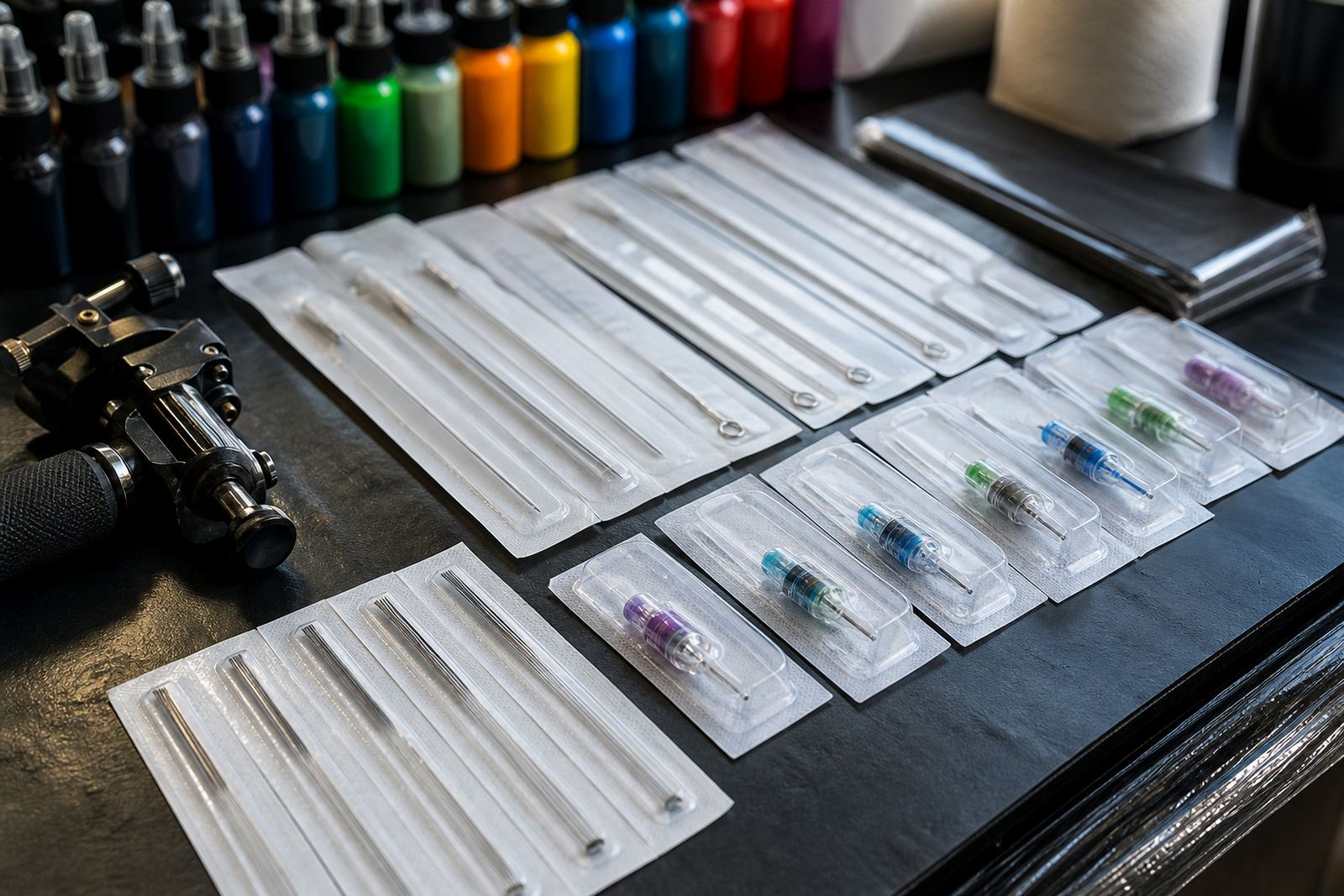
In tattoo supply ordering, a round liner group means the needles are grouped tightly in a circular formation for line work. The count in the code shows how many needles sit in that group, so a smaller grouping is not the same as a larger one even if both are listed as liners.
Most artists read liner groupings from the first part of the code and then check the taper and configuration notes. That matters when you are topping up for a Cape Town studio with mixed walk-in work, or when a Johannesburg team wants the same pack format across several stations.
- Smaller liner groupings are often used for finer lines and detail work.
- Larger groupings are generally chosen when a bolder line is needed.
- Ordering by grouping helps keep repeat stock counts consistent.
What the grouping tells you before the machine even runs
The grouping gives a quick read on how the needle bundle is built, which helps when matching it to the right machine setup. It does not tell the full story on its own, because the taper, grouping shape and the artist’s hand speed all play a part.
For studios that order online from Observatory and send parcels to Durban, Pretoria or Gqeberha, that shorthand saves time at the picking stage. It is also useful when a studio manager is splitting stock between a main room and a smaller appointment room, because the same liner count may be used for different styles of line work.
- Needle count affects the visual weight of the line.
- Bundle shape affects how the points enter the skin surface.
- Taper notes help separate one liner type from another in the same order.
Choosing liner groupings for different kinds of line work
Round liner groupings are commonly ordered for script, outlines, fine detail and stronger contour work. A studio doing custom pieces in Somerset West may keep several liner groupings on hand so the artist can move from delicate work to firmer outlines without reworking the whole station.
It helps to stock the sizes your team actually uses week to week. If a client base in Bellville leans toward detailed pieces, your ordering pattern will look different from a studio that gets more bold traditional work or larger outline jobs.
- Fine detail work usually calls for smaller groupings.
- General outlining often needs mid-size liner groupings.
- Heavier contour work may call for larger liner groupings.
Needles, cartridges and the way studios split their stock
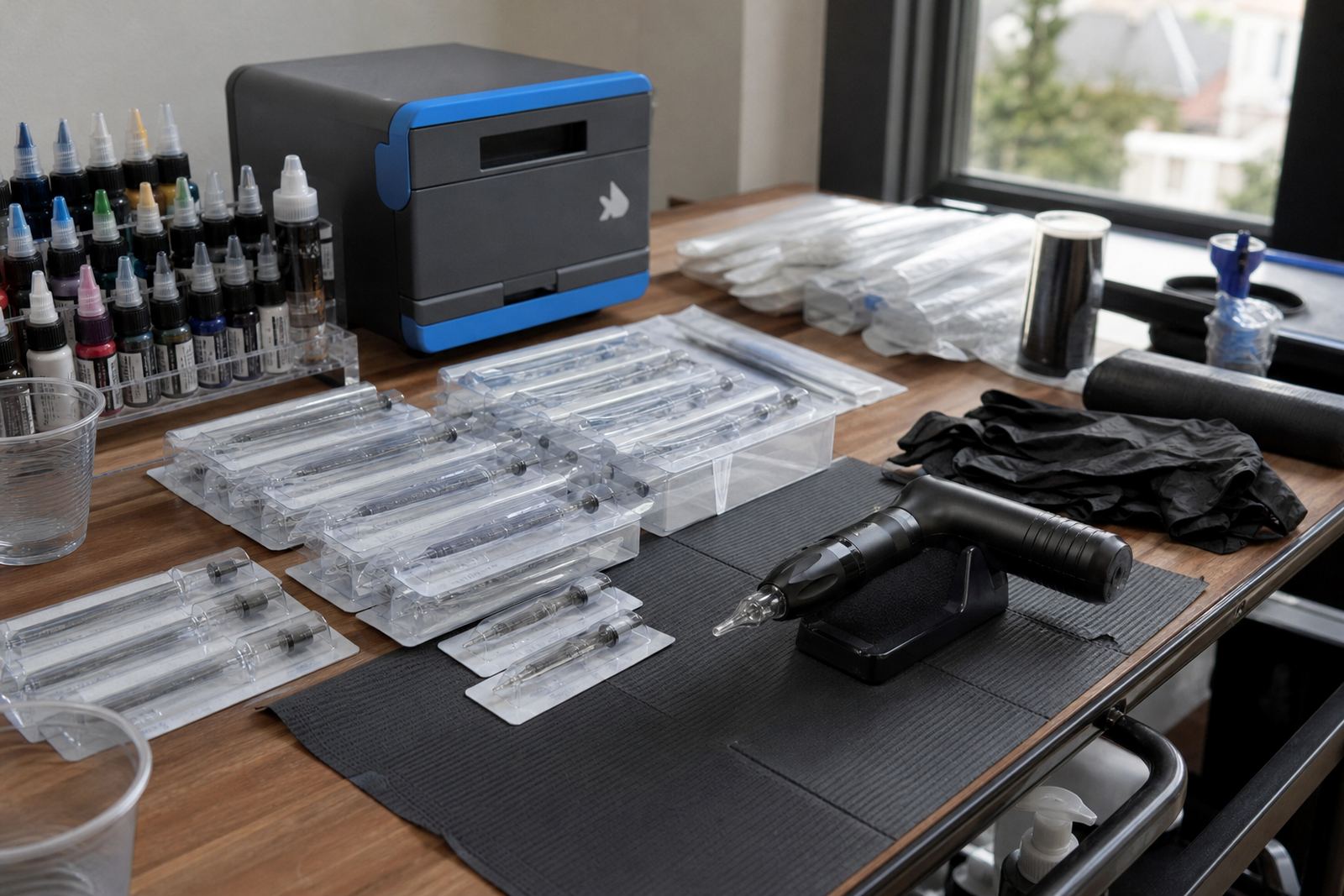
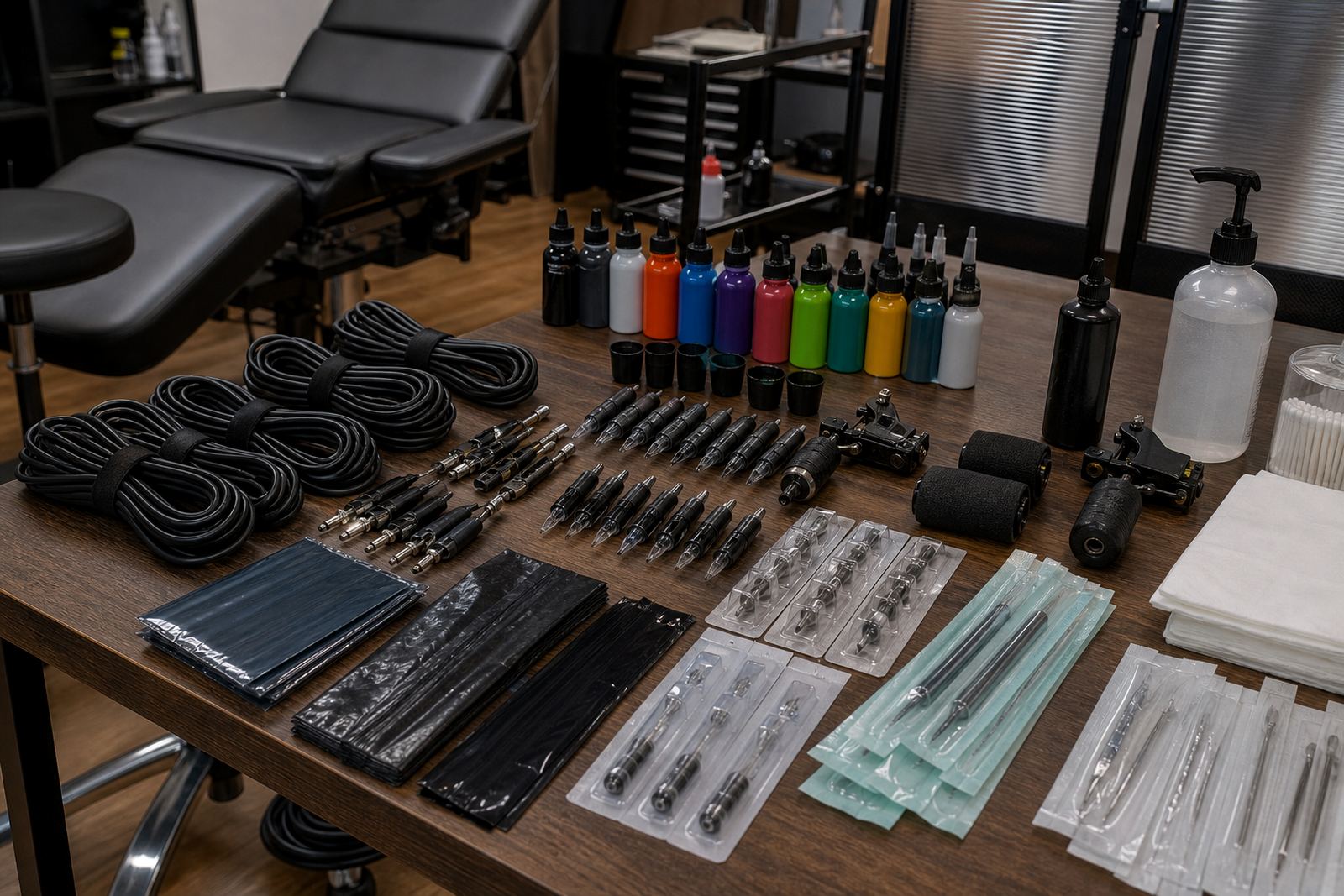
Some studios keep traditional needle groupings, while others prefer cartridge systems for speed and easier station handling. Both formats still need clear stock control, especially when multiple artists work from the same supplies list.
A practical order sheet will separate liner needles, cartridge liners and sterile single-use supplies so nothing gets mixed under one heading. That is useful for a Pretoria order, where one artist may want a specific cartridge liner grouping while another still uses grouped needle setups for line work and shading flow on separate machines.
- Keep needle groupings listed by size and format.
- Separate cartridges from grouped needles on the stock sheet.
- Mark single-use items clearly for quick station set-up.
Storage habits that keep liner stock in order
Needle stock should be stored so the outer packs stay dry, sealed and easy to count. In coastal places like Cape Town and Gqeberha, humidity can be a nuisance for packaging and labels, so dry storage and neat shelf rotation matter more than people think.
Good studio hygiene also depends on keeping sterile supplies apart from open cartons, and by checking expiry or pack condition before items go onto the shelf. If stock is split between a front room and a back store, label the liners in a way that lets the whole team read the grouping at a glance.
- Store sealed packs off the floor and away from damp walls.
- Use clear labels for grouping, format and quantity.
- Keep opened cartons separate from sterile single-use stock.
A practical example from an Observatory order list
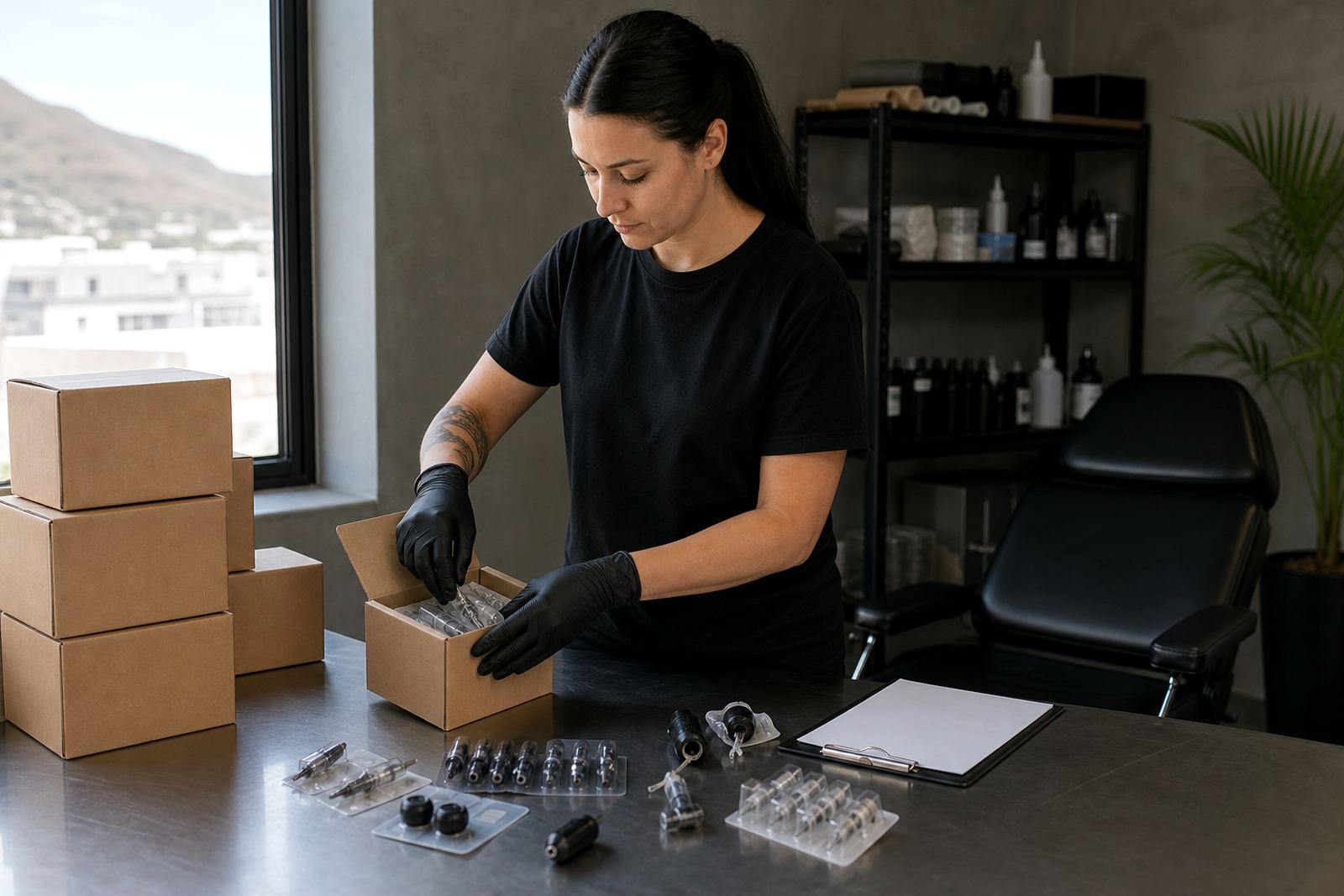
Picture a studio in Observatory preparing for a mixed month of walk-ins and booked pieces. The owner may need a few liner groupings for fine script, a few more for bolder outlines, plus cartridges and consumables that match the same line work split. That order is easier to manage when each liner grouping is listed on its own line, instead of being bundled into a vague needle item.
For larger delivery runs into Johannesburg, Durban, Pretoria or local areas like Stellenbosch, a clean ordering list also helps with dispatch updates and substitutions if one grouping is low. The same approach supports stock planning for new studio kits, consumable reorders and seasonal restock plans, while keeping the main focus on what the artists use most.
- List each liner grouping separately.
- Match needle stock with cartridge stock where both are used.
- Keep room for substitutions when a preferred count is unavailable.