
Start with the way your chairs actually run
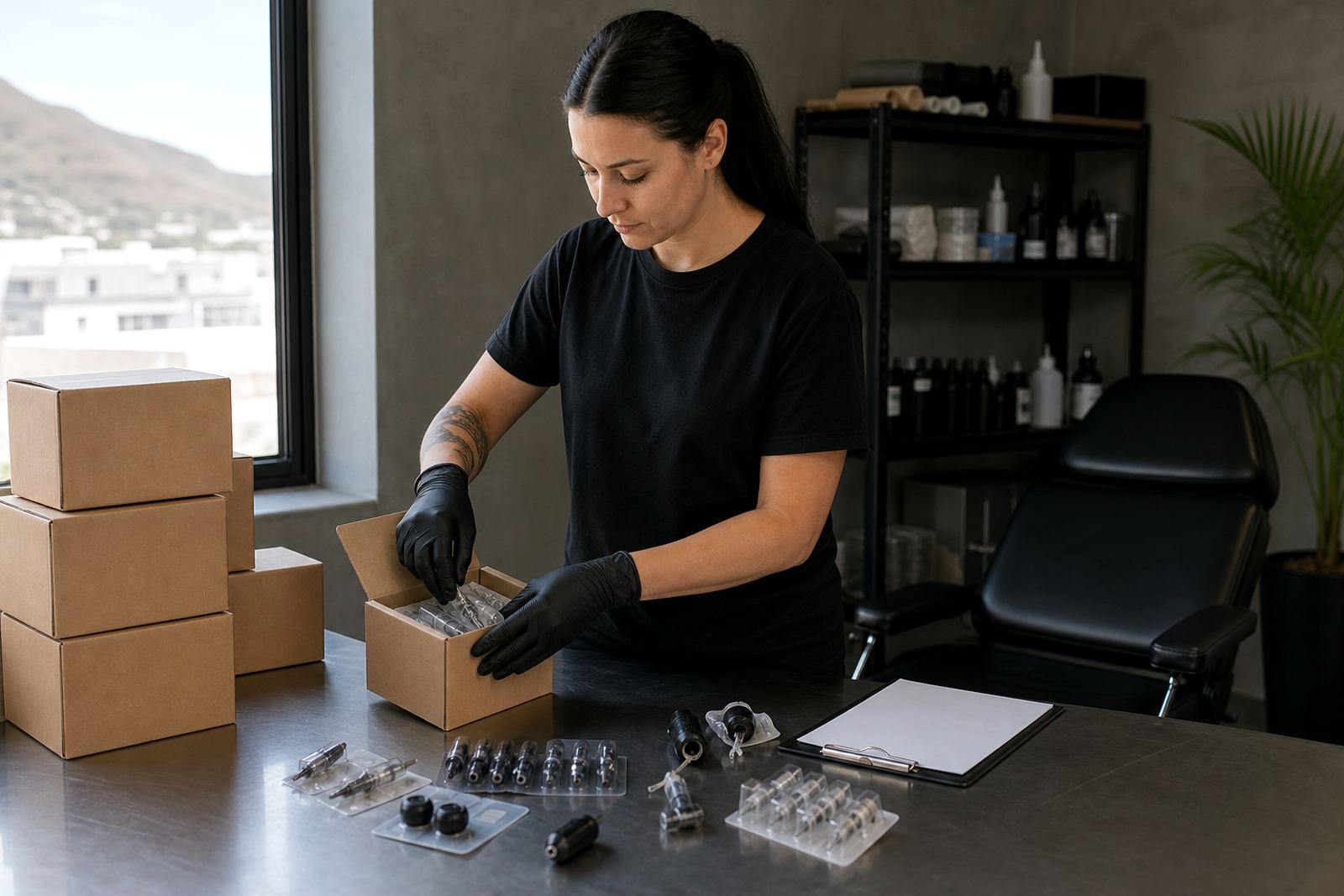
Glove planning works best when it is based on real use, not a rough guess. Count how many artists are on the floor, how many appointments run on a normal day, and how many pairs each artist usually opens during setup, stencil prep, shading and clean-down. A small walk-in studio in Observatory will not use gloves in the same pattern as a busy shop in Durban with full books and late-afternoon catch-ups.
It also helps to separate regular tattoo work from piercing, cleaning, stencil handling and front counter tasks. Each job can pull from a different size mix. If one artist prefers medium and another uses large all day, a flat split across sizes will leave you short where it matters most.
Build a size mix from actual hand use
Most studios keep more than one size on the shelf because fit affects grip and comfort over a long shift. A stock mix should reflect the hands in the room, not a neat formula. If your team is mostly using medium and large, do not overbuy smalls just because they look balanced on paper. The same applies to extra-large gloves for artists with broader hands or those who prefer a looser fit.
- Check which sizes are opened first during a normal week.
- Keep a heavier count of the sizes used by full-time artists.
- Hold smaller numbers of less common sizes, but do not run them too low.
- Separate glove stock for tattoo work, cleaning tasks and general studio use if your process needs it.
For Cape Town studios near the coast, storage matters too. Cardboard cartons left in damp rooms, near open windows or on a floor with moisture can pick up wear fast, so a dry shelf or closed cupboard is a safer choice.
Watch the weekly count, not only the monthly order
Gloves can disappear quietly when the room is busy. One artist may open extra pairs between clients, another may change more often after set-up and wipe-down, and suddenly the shelf looks full one day and bare the next. A weekly count gives a cleaner picture than waiting until the box is nearly empty.
Many studios keep a basic hand tally by size and note how many cartons are opened in a week. That makes it easier to spot patterns before a shortage lands on a Saturday. It also helps with bulk ordering, because a studio can place a larger order when the mix is right rather than buying a small top-up that does not match the next month’s use.
- Count opened boxes at the same time each week.
- Separate fresh stock from partial boxes.
- Track size use by artist if your team has clear preferences.
- Keep a spare reserve for busy weekends, flash days and guest spots.
Plan for delivery routes and holding stock
Studios in Johannesburg, Pretoria, Gqeberha and Durban often order differently depending on how quickly they work through consumables. A central shop may hold more stock on hand, while a smaller studio may rely on regular top-ups. Delivery lead time, storage space and access to a secure receiving point all shape how much glove stock makes sense at once.
If your team works across several rooms or branches, it may help to keep a fixed glove level for each location instead of pooling everything in one place. That makes shortage checks easier and stops one branch from draining the supply meant for another. In branches with higher foot traffic, a simple top-up point for the front of house can also keep the main stockroom from being opened every hour.
Match gloves to the rest of the studio supply list
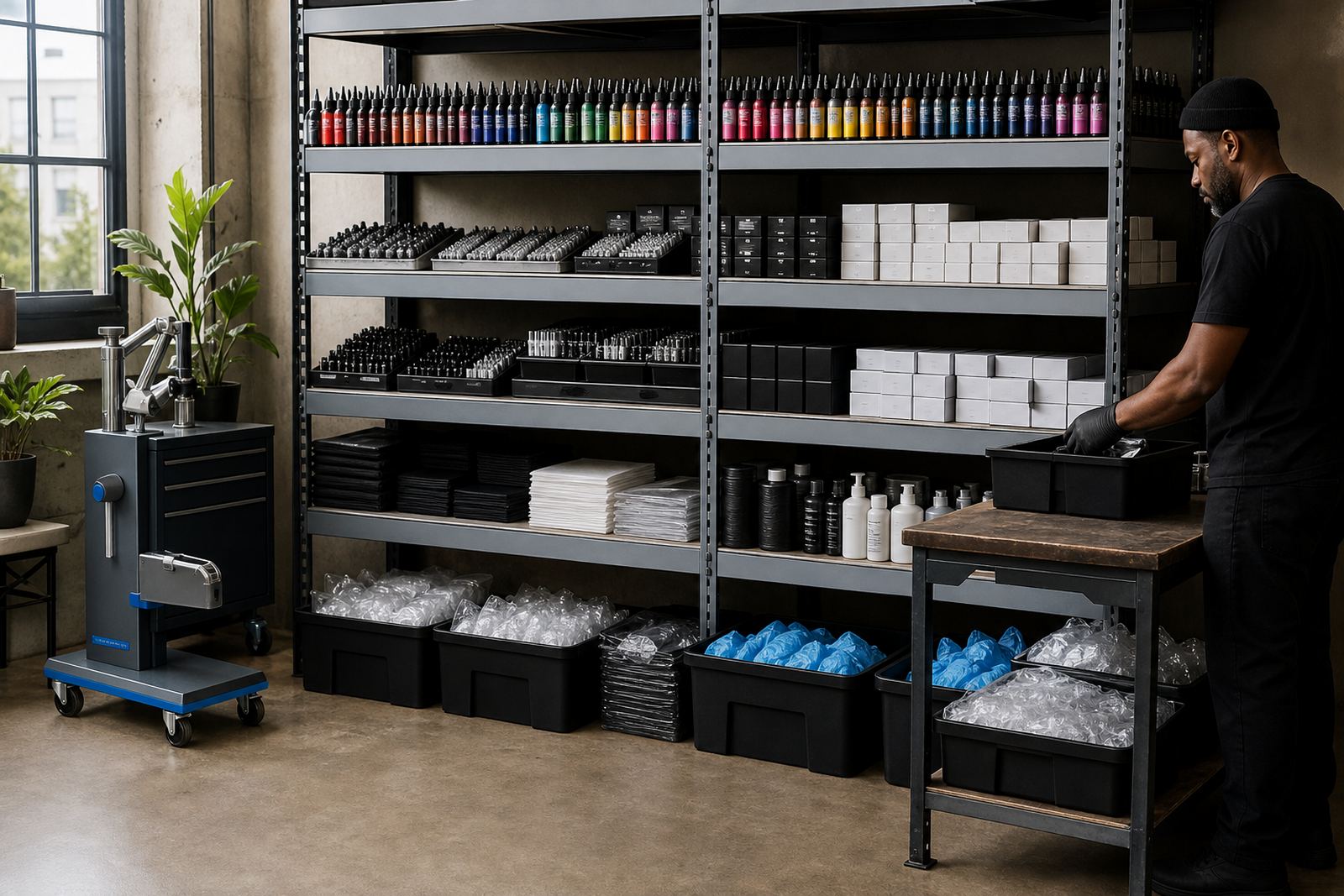
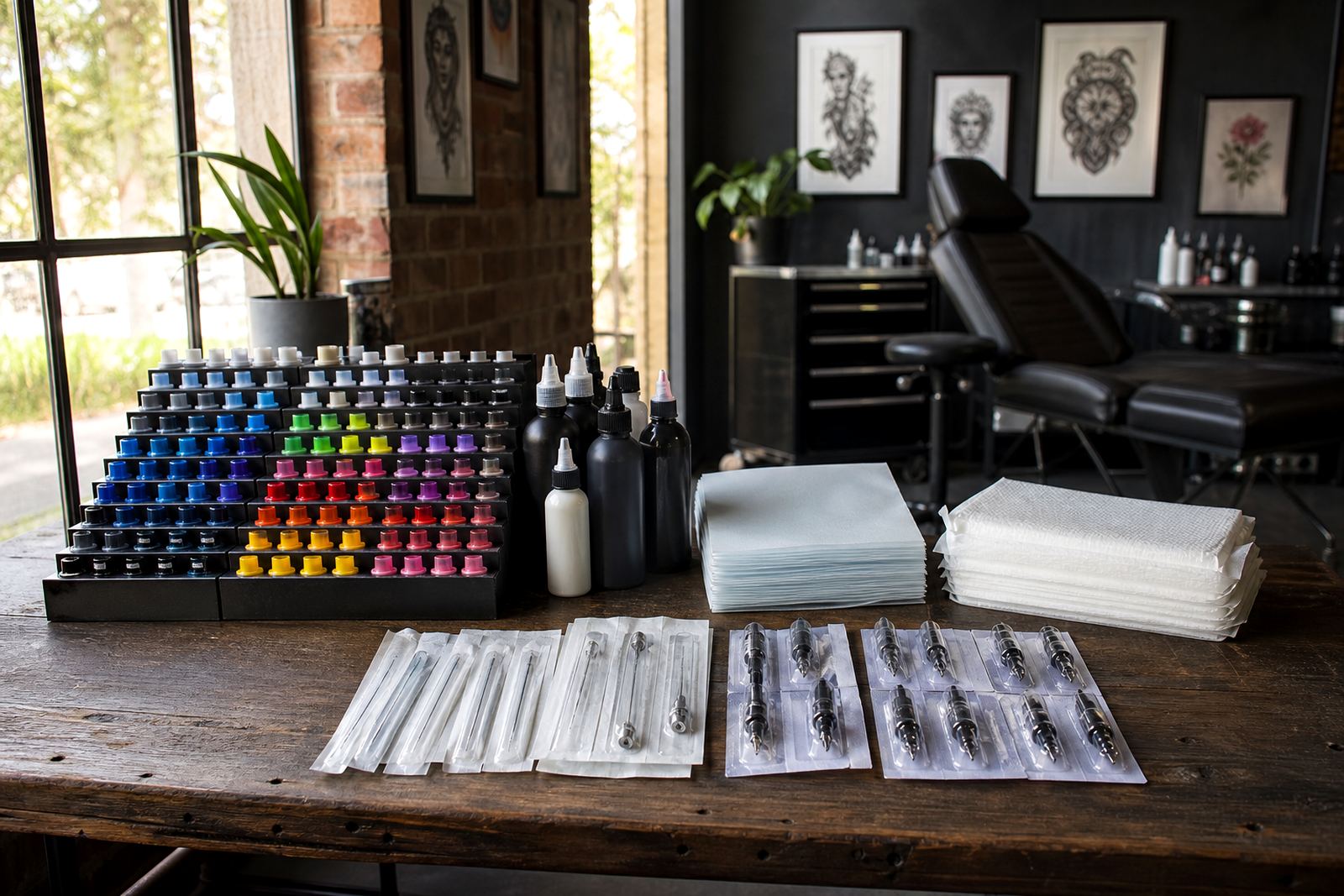
Gloves do not sit alone. They sit beside needles, cartridges, inks, single-use barriers, wipes and storage items, so glove planning should fit into the larger consumable picture. If a studio orders all of these at random, the room can end up with a full glove shelf and short cartridges or the other way round. Range grouping helps keep the buying pattern steady.
When the same supplier handles more than one category, a studio can plan around one consolidated view of stock. That makes it easier to line up reorders for cartridge packs, sterile single-use supplies and glove sizes in the same cycle. For larger shops in Cape Town or Stellenbosch, this reduces the need for small emergency buys that disrupt the usual shelf layout.
- Group gloves with other consumables by usage rate.
- Review the full studio list before placing a reorder.
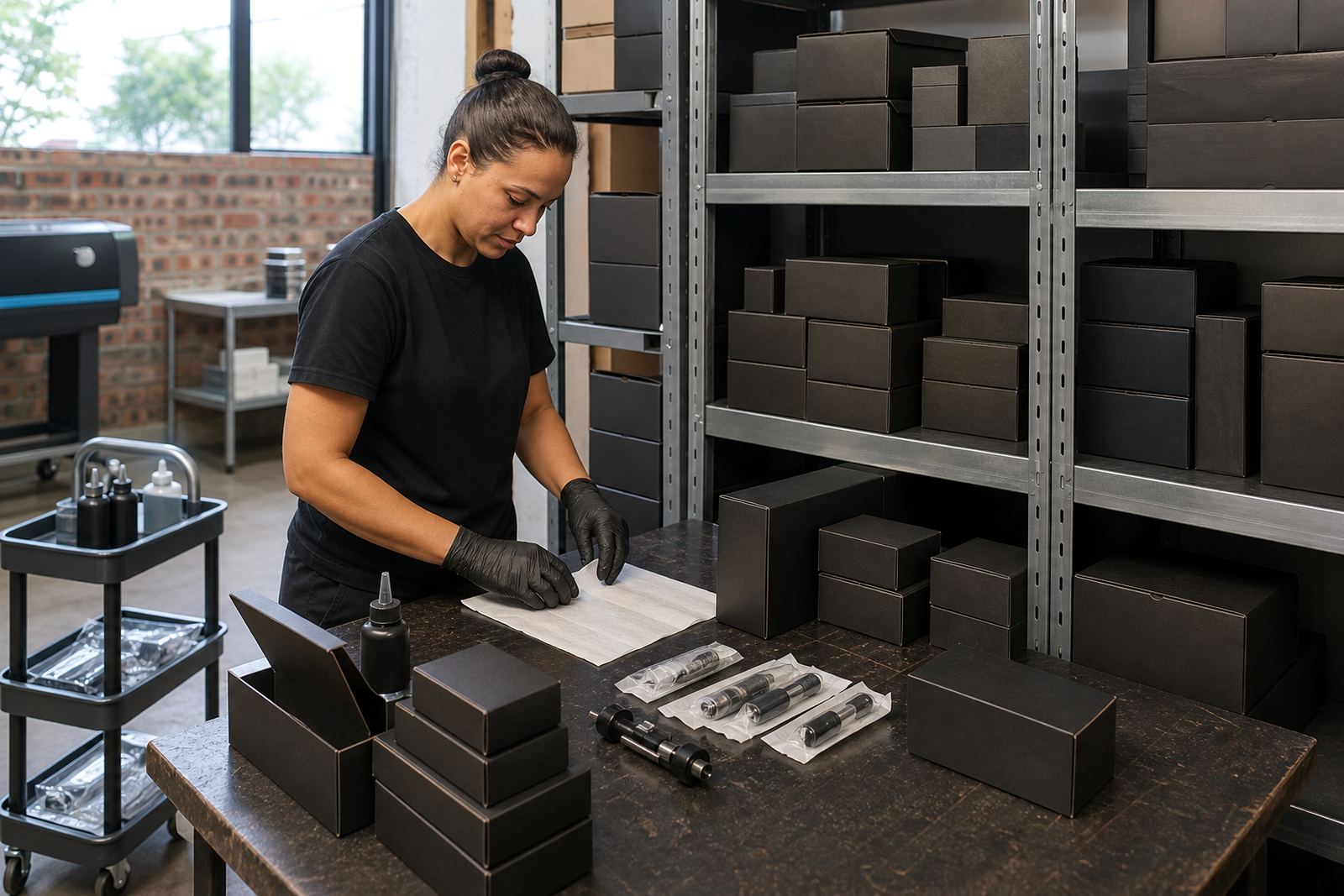
- Keep gloves and barrier items in a dry, clean storage area.
- Follow local health regulations for handling, storage and disposal.
A practical order rhythm for a busy Cape Town studio
A good example is a studio in Observatory with three artists, one apprentice and regular bookings through the week. The team might hold a deeper stock of the two most-used sizes, a smaller reserve of the less-used sizes and a backup carton for busy periods. If a large Saturday run is coming up, they can check the shelf on Wednesday, not on Friday afternoon when the room is already moving quickly.
The same studio may use different quantities in summer and winter. Coastal humidity, packed appointment days and guest artist visits can all shift how fast supplies move. A steady plan does not need to be complicated. It only needs to match the way the studio works, keep the shelf tidy and leave enough of each size in reach when the next client is ready.