
When a flash day starts, the stock room sets the pace
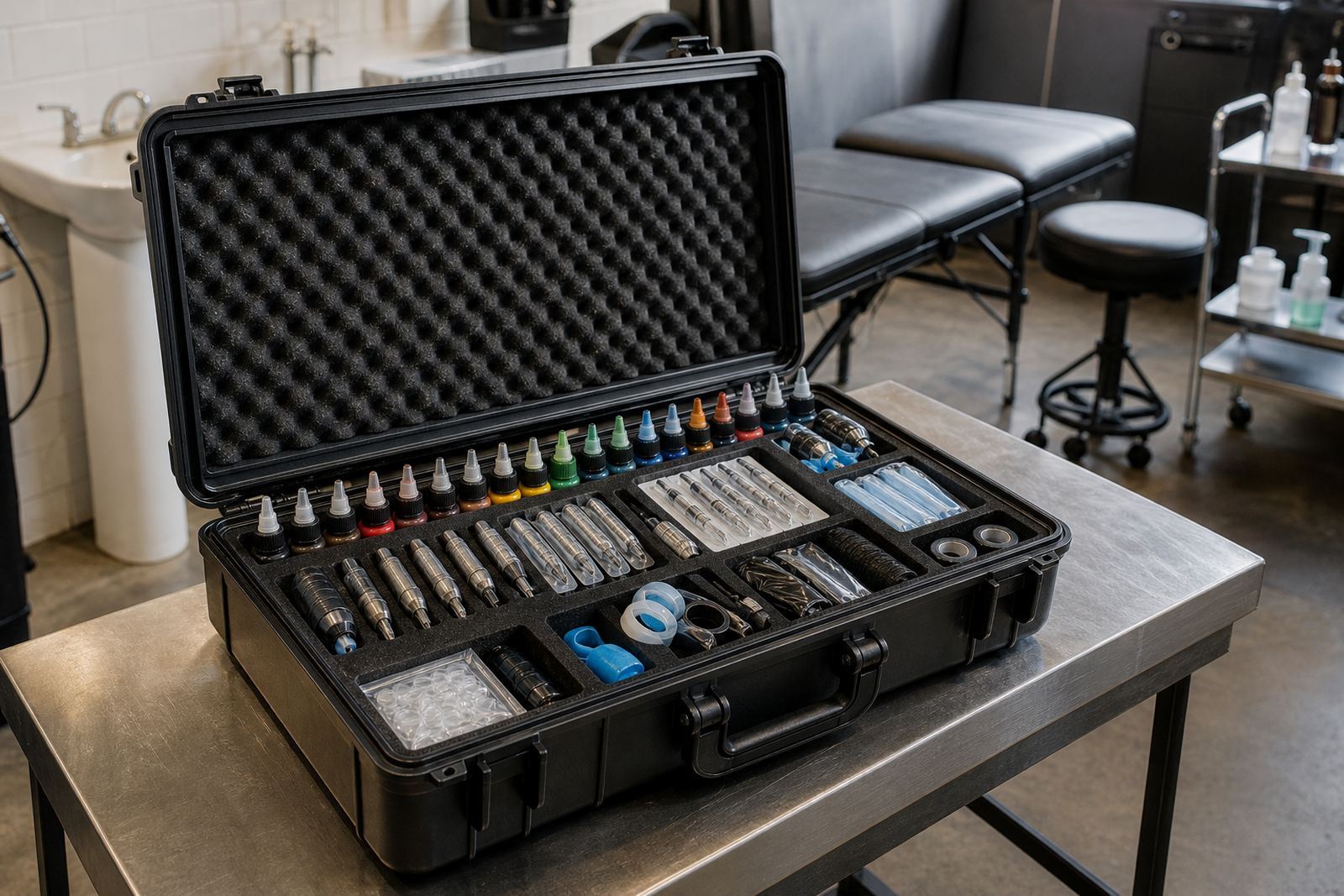
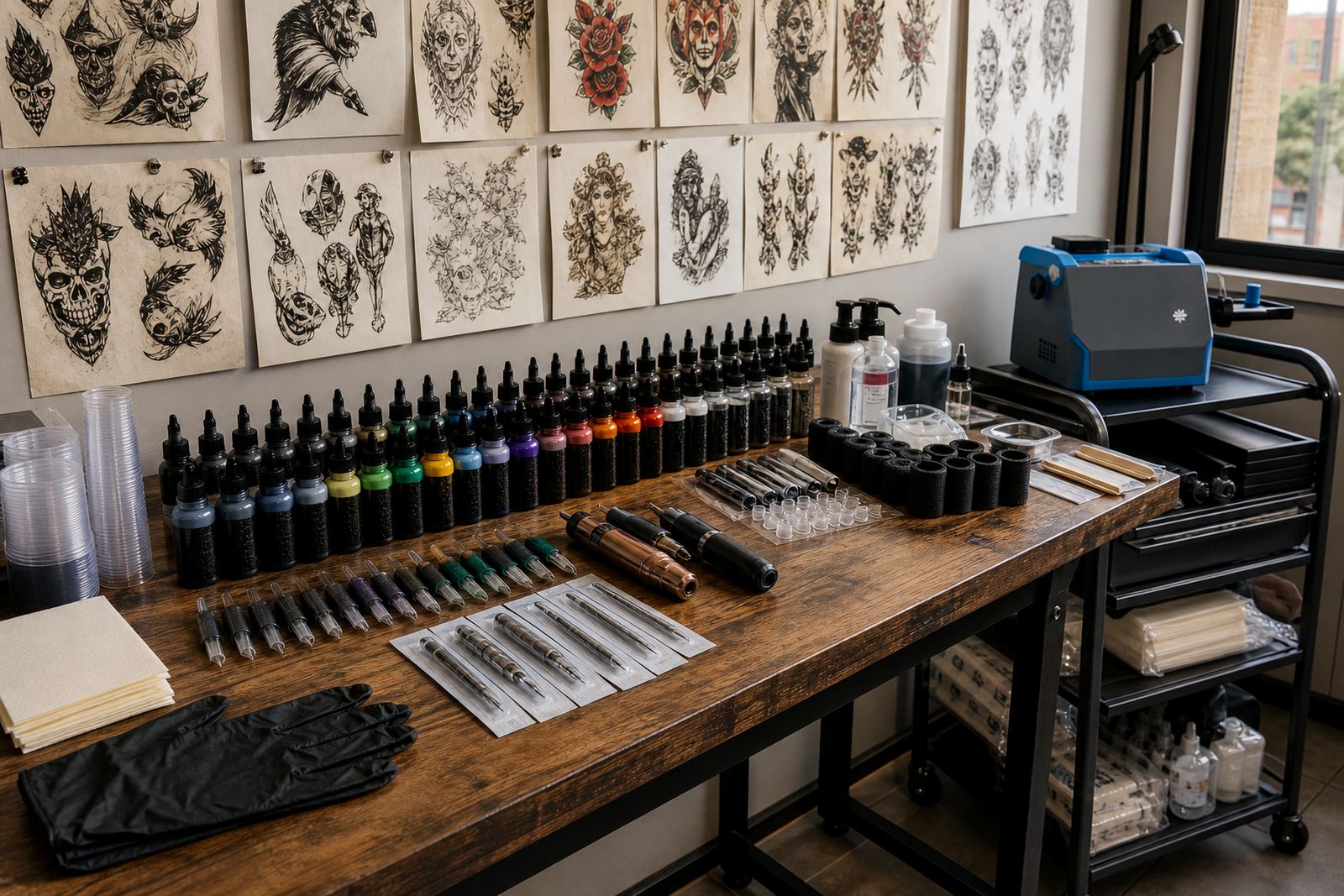
Flash day is not the place to be searching through mixed boxes for one more liner or the right black. The fastest studios set out consumables in a way that matches the day’s flash sheet, the number of artists working, and the expected pace at the station. That usually means grouping inks by use, keeping needle and cartridge options easy to reach, and sorting sterile single-use supplies into clearly marked trays or packs.
In Cape Town, where a studio might run a full day with damp winter air and a steady stream of walk-ins, the stock room needs to stay dry and tidy from opening to close. In Johannesburg or Pretoria, where the air is drier, dust control matters just as much. Either way, the point is the same: if the station is ready, the artist can keep moving without breaking flow.
- Sort inks by line work, shading and colour packing use
- Keep the most used needle groupings close to each station
- Separate sterile single-use items from reusable tools
- Label spare stock so it is easy to count during a busy run
Ink grouping that keeps colour choices moving
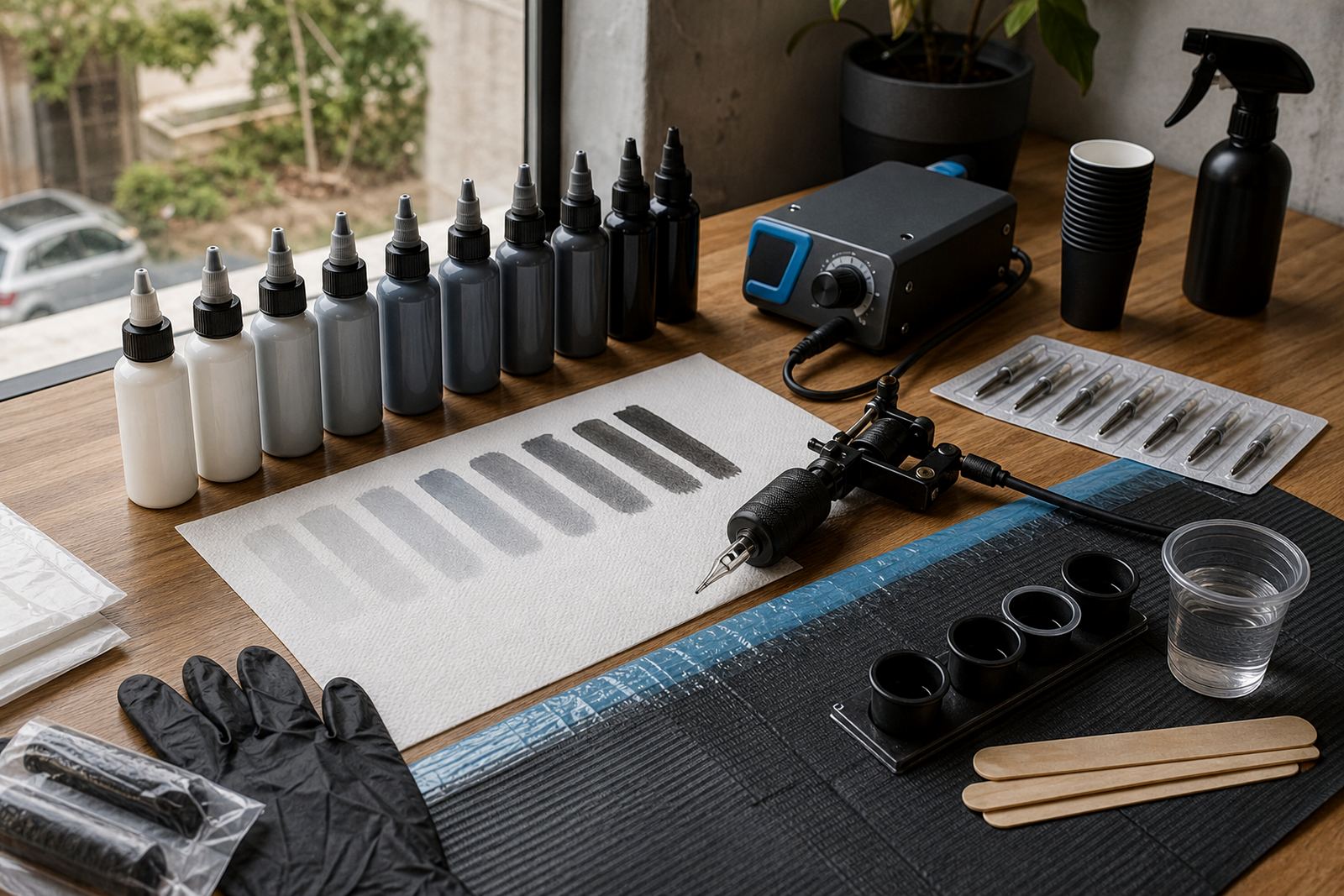
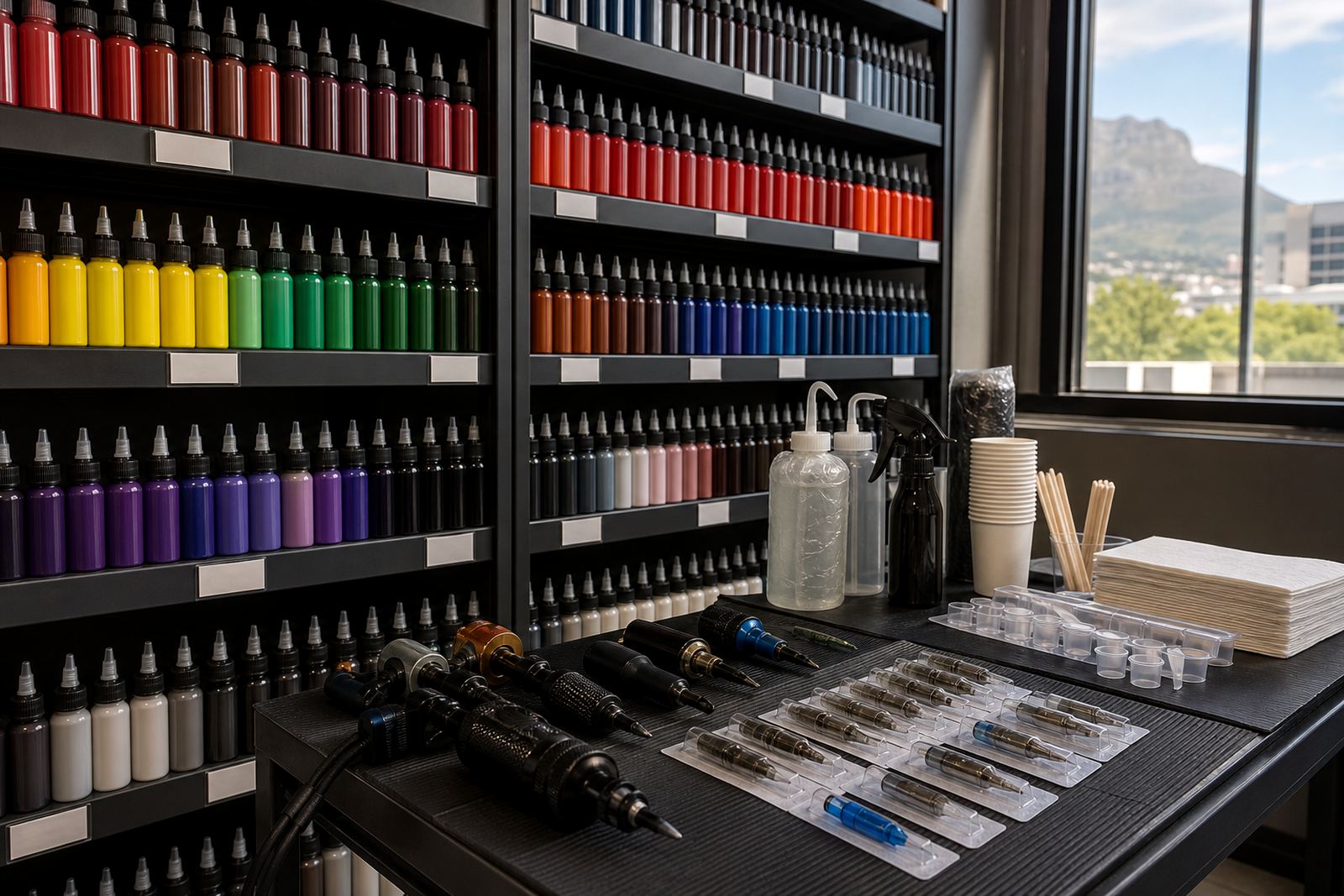
On flash day, artists often repeat a few core colours across many smaller designs, so ink grouping matters. A practical setup puts black inks, grey wash, and the most common colours in their own trays or bins, then keeps less-used shades in reserve. That saves time and cuts down on repeated opening and closing of bottles.
It also helps to plan for the style of flash on the sheet. Fine line pieces may need a different black and needle pairing to colour-heavy designs. If the flash includes small fill areas, the studio should have enough saturated colours ready for consistent use through the day. In coastal areas like Gqeberha and Durban, closed storage also helps protect labels and caps from humidity and spills, especially when the room is busy.
Clear grouping is not only about speed. It also helps staff count what is left at the end of the session, then restock the ranges that were hit hardest. That makes the next flash day easier to prepare for, with fewer last-minute gaps.
Needles and cartridges matched to the work on the wall
Flash sheets often mix clean outlines, dotwork, shading and colour fill, so the needle and cartridge mix needs to suit that range. Studios usually prepare a spread of configurations rather than relying on one or two favourites. Fine liners are kept for detail, larger round configurations for bolder lines, and wider groupings for fill work and soft shading.
Cartridges should be counted in the same way. A flash day can use more than expected when the schedule is full and an artist wants fresh changeovers between designs. The best practice is to build a station pack with enough of each type for the day, then keep backups in sealed storage nearby.
- Fine line work: smaller needle groupings and matching cartridges
- Outlining: mid-size round groupings for clean, even lines
- Shading: curved or wider groupings for smoother transitions
- Colour fill: larger groupings where the design calls for fast coverage
For studios in Stellenbosch, Bellville or Somerset West, where traffic and delivery timing can affect the day, having these packs pre-counted matters. The artist should not be waiting on a drawer to be sorted while clients are ready at the chair.
Sterile single-use supplies that need their own count
Flash day stock planning goes beyond inks and needles. Gloves, grips, barrier film, clip cord sleeves, ink caps, razors, wipes and other sterile single-use items need a separate count before the first appointment. These items disappear quickly on busy days, especially when artists are working on small, repeated designs that move the turnover along.
A practical stock sheet for a flash day should show what is needed per station and what is reserved for backup. That makes it easier to spot shortages before they slow the day down. It also keeps the working area cleaner, because the items are not being pulled from random boxes between clients.
- Pre-count gloves by station and shift length
- Set aside barrier items for every machine and work surface
- Keep ink caps and wipes in sealed packs until needed
- Separate open stock from unopened stock in the store room
Where a studio is running a long Saturday in Cape Town, with multiple artists and a steady queue, the difference between organised single-use stock and loose stock is noticeable. The station feels calmer, and waste is easier to track at the end of the day.
Machine parts and station spares for a fast turnover
Machines do not need to be complicated on flash day, but they do need to be ready. Studios usually keep the common machine parts and station spares close at hand, including spare grips, power leads where relevant, clip cords, foot control items, and any small accessories that tend to be misplaced during a rush. If a station is set up with more than one artist using the same prep area, labelled packs help avoid confusion.
That stock should be checked before the day begins, not halfway through the queue. A clean station layout with each machine and its related parts grouped together keeps the work moving. In Durban, where humidity can affect how neatly items stay packed through the day, sealed containers and dry shelving make a practical difference. In inland studios, the bigger concern is often dust and clutter, especially when several flash stations are active at once.
When a team knows exactly where each spare lives, the entire day runs with less noise and fewer interruptions. The stock room stays part of the workflow instead of becoming a bottleneck.
A Cape Town example: a studio’s Saturday flash run
A small Observatory studio preparing for a Saturday flash day might begin by sorting the flash sheet into design types, then building kits for each artist. The front counter can hold the day’s reserve stock, while the back room carries the sealed backup boxes. One team member checks inks and caps, another counts needles and cartridges, and another sets out sterile single-use items by station.
If the studio expects walk-ins from across Cape Town and a few pre-booked clients from nearby suburbs, it helps to plan for heavier use in the first half of the day. That is when the most common inks and liner configurations go fastest. By early afternoon, the team can top up from the reserve boxes without breaking the rhythm of the schedule.
This kind of stock planning is straightforward, but it works because it respects the way flash days actually run. The work moves quickly, the stations stay organised, and the artists can stay focused on the linework, shading and colour packing instead of hunting for supplies.
Restock checks after the last chair is cleared
Once the day is done, the useful part of the job is not only counting what was used, but noting what ran low too soon. That gives the studio a better picture for the next flash day, whether the issue was a particular black, a cartridge size, gloves, or a certain sterile item that moved faster than expected. Seasonal changes matter as well, because a studio’s pace can shift with holidays, tourist periods, or local event calendars.
Good flash day stock control is really a habit of small checks. Count before the shift, top up during the shift, and write down the gaps after the shift. Do that consistently and the next busy day starts with less stress and fewer surprises.