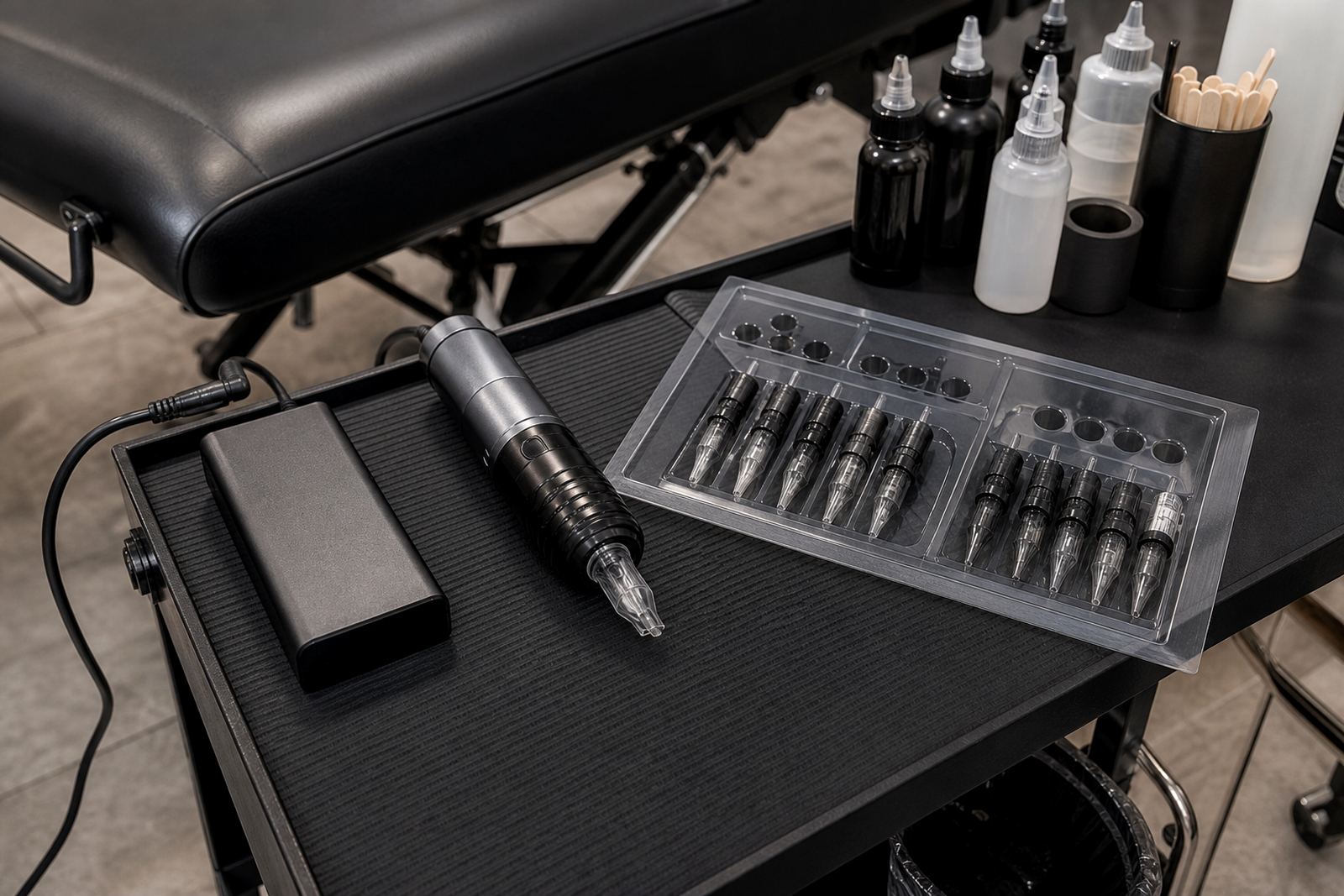

Where a Bottle Sleeve Fits Into Station Prep
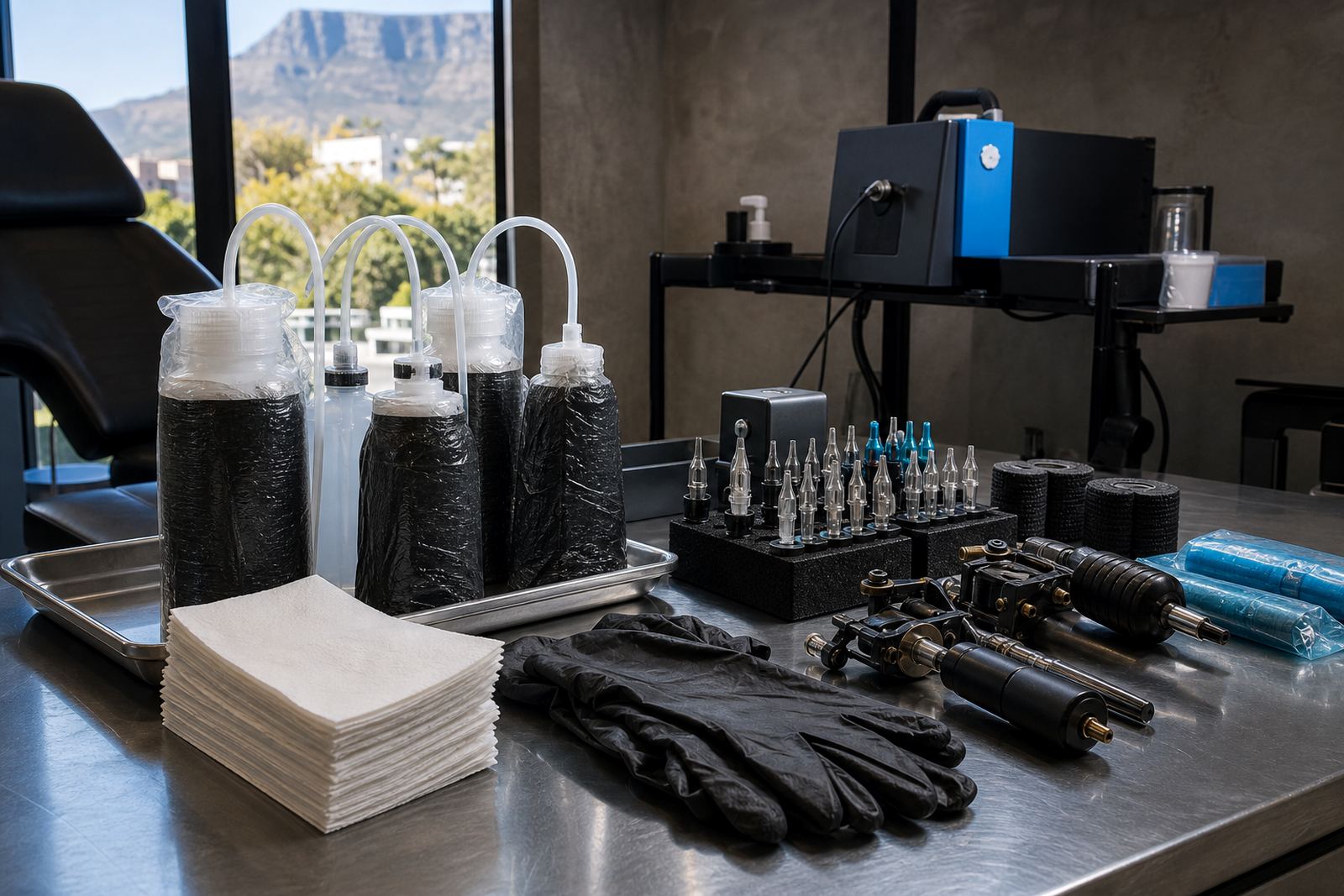
A bottle sleeve is usually part of the first few minutes of setting up a station. It gives liquid bottles a cleaner outer surface to handle, especially when the workspace will be touched often and wiped down more than once during a session. In practice, it helps keep the grip area less marked by glove contact, overspray and general handling.
For Cape Town studios working through damp mornings or coastal humidity, sleeves also help keep bottles looking neater on the tray or trolley. They are not a substitute for proper cleaning routines, but they do help organise the bottles that are used most often, such as rinse water, prep liquids and other studio consumables.
- Use sleeves on bottles that are handled repeatedly during a session.
- Match the sleeve size to the bottle so it sits flat and does not bunch up.
- Keep spare sleeves with other single-use consumables for quick restock.
Grouping Bottles by Task Instead of Guesswork
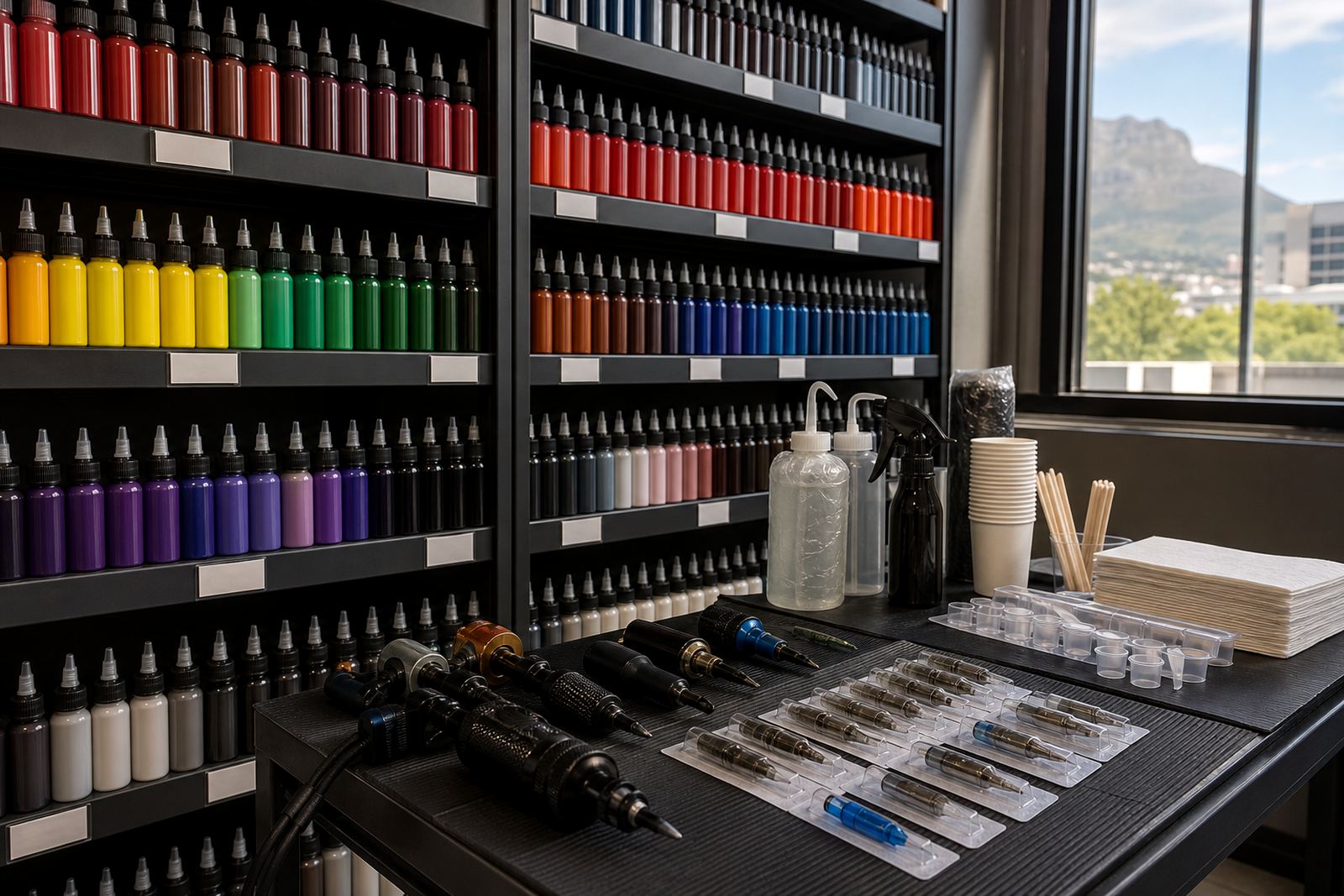
The easiest station to work in is one where each bottle has a clear place and purpose. Many studios group bottles by task, for example rinse, prep, clean-up and refill support. That way, the sleeve colour or label can help the artist identify the bottle at a glance, even when the table gets crowded.
This sort of grouping also works well when more than one artist is on the floor. A sleeve can help separate similar containers so the wrong bottle is not picked up in a rush. In a busy Observatory studio, that small bit of order saves time when the chair turnover is moving quickly.
- Keep like items together, not mixed in with cartridge boxes or needle packs.
- Use a consistent sleeve colour or label position for each bottle type.
- Store opened bottles upright and away from heavy contact areas.
Good grouping also makes stock checks quicker. If the shelves are sorted the same way every week, it is easier to spot what is low before a large booking or a weekend shift.
What a Sleeve Does During Cleaning Between Clients
After a session, the station needs a proper wipe-down and reset. Bottle sleeves help because the outer surface is easier to remove and replace than a bare bottle that has been handled all day. That is useful where gloves have been changed often and the workstation has been cleaned in stages.
In South African studios, especially those with steady daily flow, the routine matters as much as the product. The sleeve should be treated as part of the disposable layer where needed, while the bottle itself remains part of the reusable stock. Follow local health regulations for cleaning, handling and waste separation, and keep your studio process consistent from one station to the next.
- Remove used outer covers during the post-session reset.
- Wipe bottle bodies and nearby surfaces before setting out the next station.
- Keep clean sleeves in a closed storage tub or sealed pack.
Shelving, Storage and Dry Spaces
Storage matters because bottle covers are often packed with other consumables that must stay clean and easy to reach. A dry shelf, drawer or labelled container works better than loose piles on a work table. In Durban or other humid areas, this is especially useful because packaging can soften or look tired if it is left out in open air for too long.
When sleeves are stored neatly, artists and staff can take what they need without sorting through mixed items. That makes set-up faster and keeps the station looking organised when clients walk in. It also helps when ordering in mixed quantities for a studio that runs several chairs or rooms.
- Keep sleeves away from splash zones and floor level storage.
- Separate them from needles, cartridges and machine parts.
- Use first-in, first-out stock rotation where packs are dated internally.
Why Bottle Covers Pair Well With Cartridge and Needle Orders
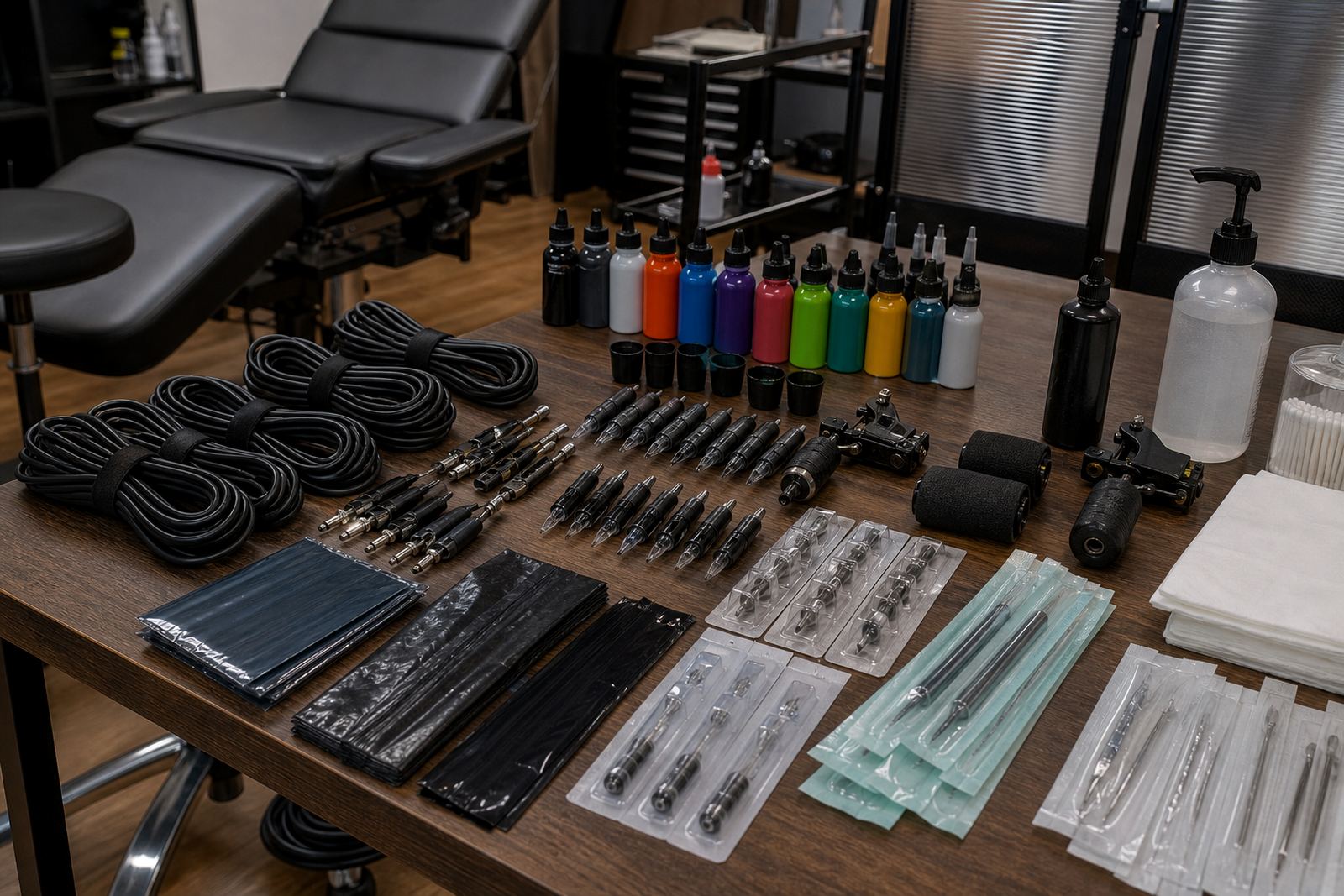
Many studios order bottle sleeves together with needles, cartridges and other consumables because the whole station is planned as one working system. It is simpler to build a consistent set-up when the packing, storage and matching items all line up. That matters whether the studio is in Pretoria, Gqeberha or a smaller town like Stellenbosch.
There is also a practical side to batch ordering. If the bottles, sleeves and single-use items are grouped correctly, staff can pack out a treatment area with less confusion and fewer missing pieces. For new studios, that kind of planning saves a lot of last-minute sorting.
- Order bottle covers with the rest of the consumable list for the station.
- Check sleeve sizes against the bottles used for daily prep.
- Keep a small reserve for busy weeks and full-booked weekends.
At InkX Tattoo, this is the kind of stock matching and station planning support many studios ask for when they need a cleaner layout and a tighter consumable routine.
A Practical Cape Town Example From a Busy Floor
A shop in Observatory with two working stations might use one sleeve colour for rinse bottles, another for surface prep bottles and a plain cover for backup stock. The bottles stay in the same positions each day, which helps the team move quickly between chair setup, clean-down and the next client.
That approach also works for studios sending orders to Johannesburg, Durban, Pretoria and Gqeberha. When stock is organised by use rather than by random shelf space, the team can pack the same way every time and check quantities without slowing down the day. It is a small habit, but it keeps the work area steady and practical.
For studios with regular deliveries, sleeve routines also fit neatly into seasonal restock plans. Once the station layout is set, it becomes easier to know what gets used fastest and what can be held in reserve.