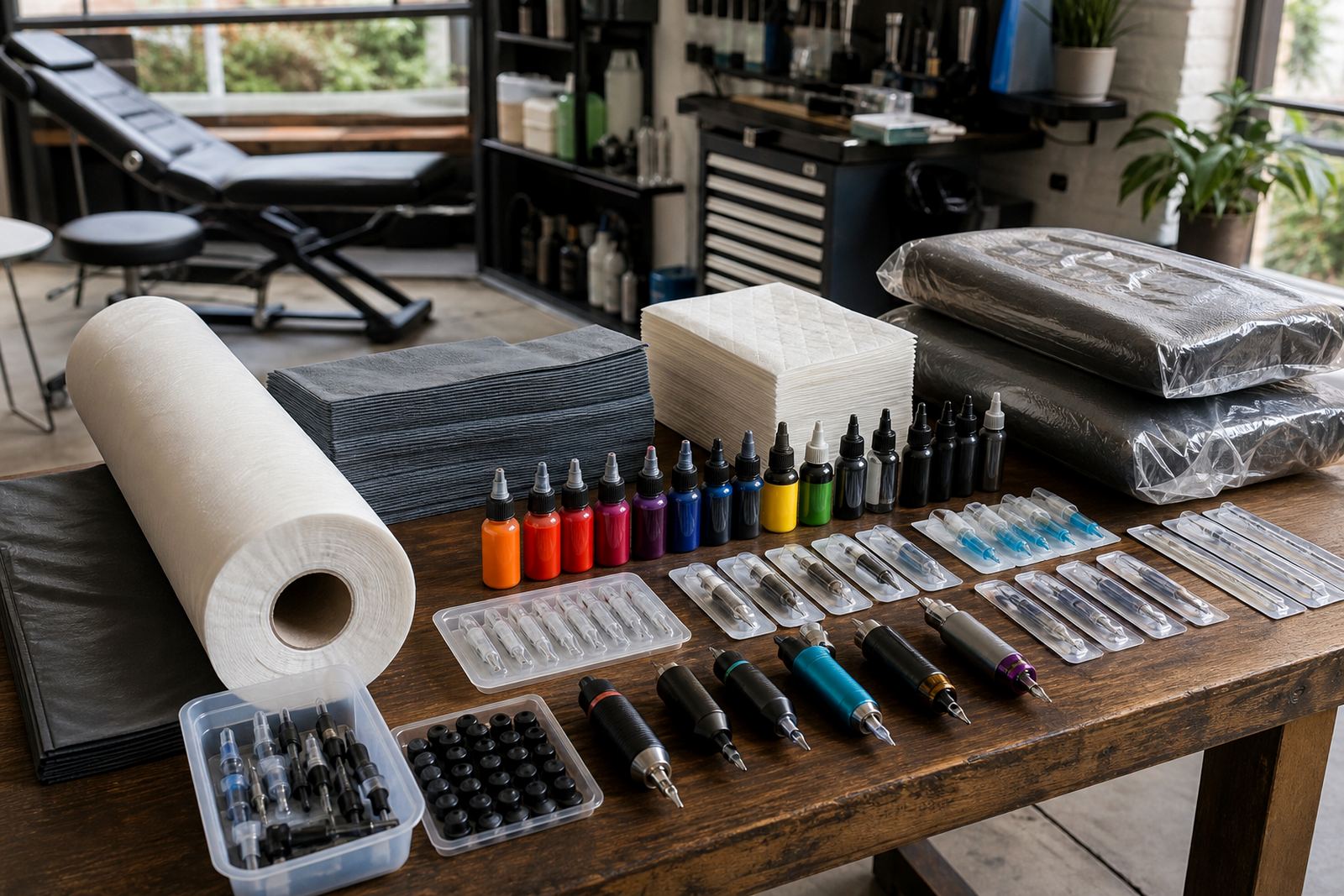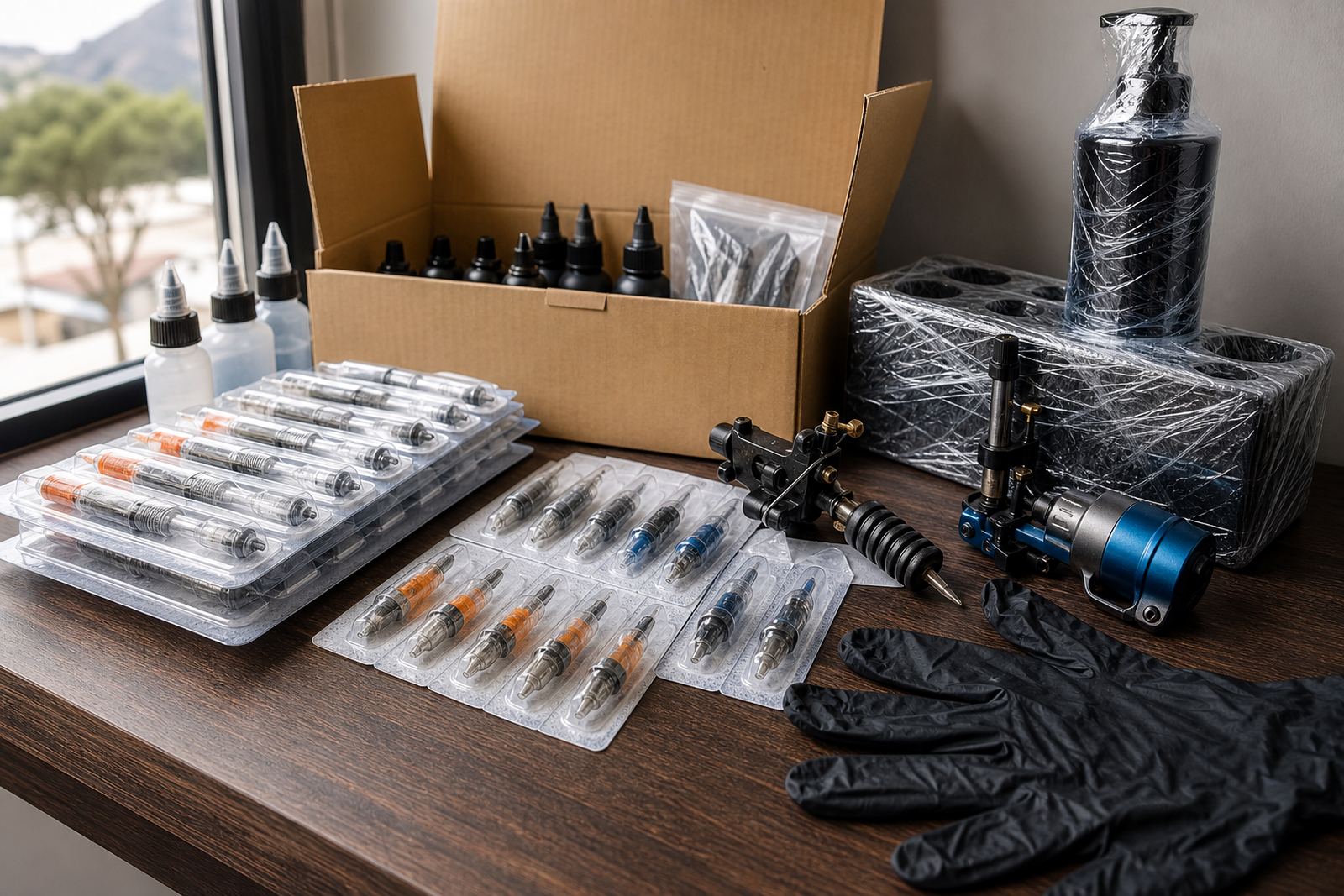
What magnum cartridges are used for in tattoo work
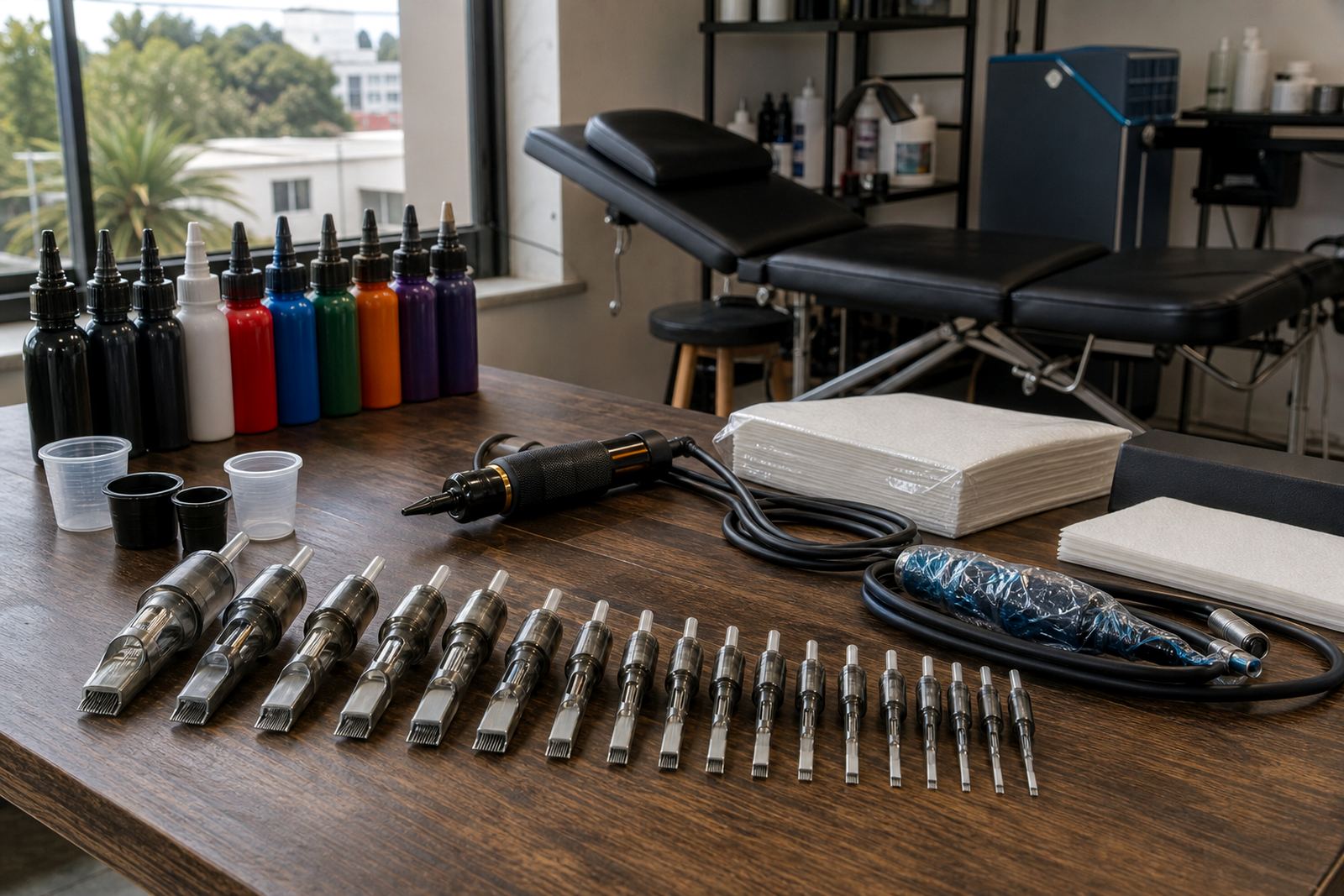
Magnum cartridges are built for broader passes, which makes them a practical choice when a piece calls for even colour fill or wide shading. The needle grouping sits in a flatter arrangement than a round liner, giving the artist more coverage per stroke and helping keep transitions smoother across larger sections of skin.
In studio use, magnum groupings are often selected for colour packing, background work, soft gradients and layered shading in pieces that need steady ink flow without constantly switching between small groupings. For artists working in busy studios around Observatory, Bellville or Somerset West, having the right magnum size on hand can save time during a long appointment and keep the workstation moving in a tidy order.
These cartridges are fitted into compatible cartridge machines and grips. A firm fit matters, because the cartridge should sit straight in the housing and move freely enough for controlled needle motion. If the needle sits too loose or the fit is uneven, the working feel changes and line consistency suffers. It is worth checking the machine system, grip style and cartridge seat before placing stock for a studio tray.
Needle groupings and magnum sizes that matter at the station
Magnum cartridges are supplied in a few common groupings, each suited to a different level of coverage. The usual choice depends on the size of the piece, the amount of saturation needed, and how much control the artist wants in tighter zones. Some artists prefer a standard magnum for general shading, while others keep larger groupings for open areas on calves, thighs, backs and upper arms.
- Standard magnum: useful for general shading and medium coverage work.
- Curved magnum: follows softer contours and can help with smoother edge transitions.
- Large magnum grouping: suited to wider colour packing and broader fill areas.
- Fine magnum grouping: gives more control when the section is large, but the detail still needs cleaner pressure control.
Some cartridges are packed in tightly stacked formats, while others are spaced for a freer ink path. The shape of the grouping influences how much pigment moves into the skin in each pass. For this reason, a studio doing varied work may keep a mixed tray of magnums instead of one size only. That helps during booking changes, especially when the day includes both larger colour sections and softer grey work.
Where magnum cartridges suit the work best
Magnum cartridges are the practical option where broad shading or colour saturation is needed across larger artwork sections. They suit work on backs, thighs, shoulders, chests and other areas where even coverage matters more than very tight detail. They are also commonly used in background fill, soft transitions, layered petal work, abstract blocks and large ornamental shading.
For studios serving clients across Cape Town, Johannesburg, Durban, Pretoria and Gqeberha, the environment can influence storage and stock rotation. Coastal humidity in places like Cape Town and Durban means sealed boxes should stay dry and off the floor, while warmer inland rooms benefit from neat stock control so cartons do not warp or open at the seams. In all cases, keeping cartridges grouped by size makes daily setup easier and helps the artist pick the right grouping without sorting through mixed packs.
- Colour packing across larger sections
- Broad shading and tonal blending
- Background fill on decorative pieces
- Soft edge work around open spaces
- Layered work where repeated passes are needed
Fitting, machine match and studio handling
Magnum cartridges need to match the machine system and grip type in use, so the fitting should be checked before the appointment starts. A cartridge should seat properly in the housing, lock in cleanly and allow smooth needle travel without wobble. If the fit is too tight or the spring action feels uneven, the artist may need a different cartridge style or a better matched grip setup.
When ordering, it helps to confirm whether the studio uses a standard cartridge machine or a setup that prefers a particular cartridge body shape. Some artists also want a specific membrane feel, which changes how the cartridge returns and how much resistance it gives during use. These details matter when stock is bought for multiple stations, especially in busy rooms where several artists share the same consumable range.
- Machine type and cartridge compatibility
- Grip size and housing depth
- Needle grouping and taper preference
- Open or packed magnum style
- Pack quantity for the station or studio tray
Care, storage and keeping stock ready for a clean station
Magnum cartridges are single-use items and should be kept sealed until needed. Store cartons in a dry cupboard or shelving unit, away from direct sun and moisture, with batch boxes kept upright where possible. In humid coastal areas, careful storage helps protect the outer packaging and keeps stock easier to issue to the station.
For studio hygiene, keep cartridges in their sealed state until the artist is ready to fit them, then dispose of them after use according to your studio process and local health regulations. Keep carton labels visible for stock checks, especially when a studio runs several grouping sizes on the same shelf. A clear storage plan helps during busy sessions and makes it easier to restock the right magnum sizes before a weekend rush or a full booking list.
- Keep sealed cartridges in a dry storage area
- Use older stock first before opening newer packs
- Separate magnums by grouping and taper
- Use clean handling at the station and during unpacking
- Follow local health regulations for disposal and studio practice
Details to confirm before placing a magnum cartridge order
Before adding magnum cartridges to a studio order, confirm the grouping size, cartridge style and the machine setup they will be used with. It also helps to check whether the artist wants standard magnums, curved magnums or a tighter packed option for controlled shading. These details reduce stock mismatches and keep the cartridge tray organised for the work planned that week.
When teams in Cape Town, Pretoria or Johannesburg order mixed consumables, it is also useful to list the quantities by station. That makes it easier to split packs between artists, plan reorders and keep the most used sizes close to hand. If you need help grouping a full consumable list, stock list help and cartridge match help are available through the enquiry form on the contact page.
- Grouping size and style
- Cartridge body compatibility
- Needle taper and packing density
- Quantity needed per artist or per station
- Whether the order is for colour packing, shading or mixed work
Key facts
| Product type | Tattoo magnum cartridges for shading and colour packing |
|---|---|
| Grouping styles | Standard magnum, curved magnum, fine magnum and larger broad-fill groupings |
| Typical use | Broad shading, colour saturation, soft blending and background fill |
| Compatibility | Fits compatible cartridge machine and grip systems |
| Use format | Sterile single-use studio consumable |
| Ordering focus | Size, grouping, cartridge body fit, pack quantity and station setup |