
Greywash for smooth tonal work
Greywash inks are made for artists who need controlled greys, soft fades and repeatable tonal steps in the same session. They sit between solid black work and lighter wash areas, giving more room for layered shading, texture and contrast without having to mix from scratch every time.
At InkX Tattoo, the range is suited to professional studios, apprentices building consistent technique, and busy workspaces that need reliable stock for black and grey pieces. The selection is practical for portrait work, fine shading, script backgrounds, ornamental fills and softer transition areas where a steady value range matters.
Greywash is usually handled as a set of tones, not a single bottle. That means the artist can choose a lighter wash for opening out a background, a mid tone for general shading, and darker greys for stronger contrast beside black linework. The exact feel depends on the ink body, how the set is grouped and the way the artist works the needle.
Groupings and sizes for studio shelves
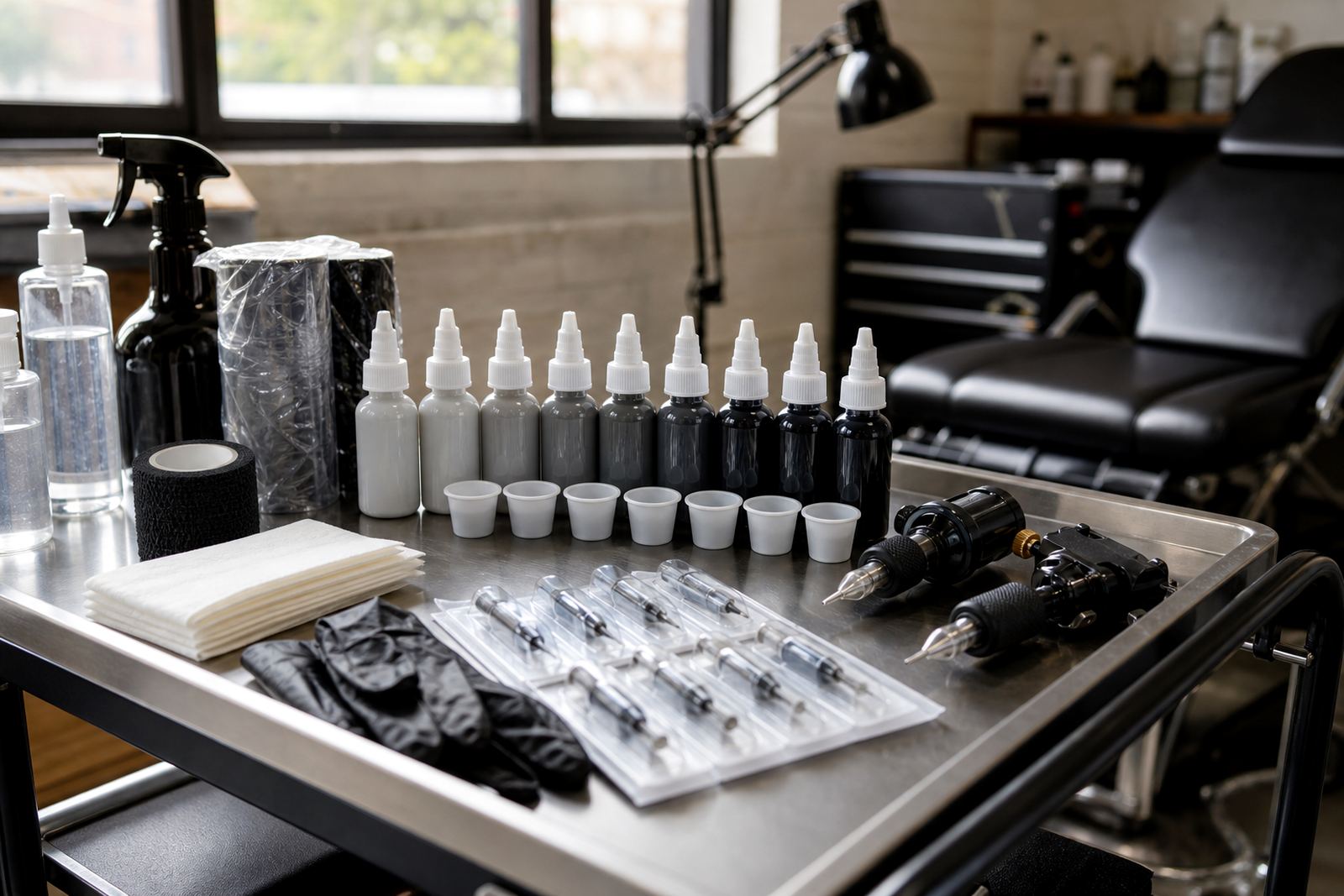
Most studios order greywash in grouped bottles so the shades stay easy to identify and quick to pull during a sitting. Common options are light, medium and dark groupings, or full tonal sets that step through several greys for more exact control. Bottle sizes often suit both test use and heavier studio turnover.
- Small bottles for testing a new tone range or keeping a narrow shading station stocked
- Mid-size bottles for regular chair use and repeated grey work
- Larger bottles for studios that do steady black and grey volume across the week
- Pre-mixed sets for artists who want matching tonal steps from one bottle to the next
When comparing options, it helps to check whether the range is buildable, pre-mixed or a blend of both. Buildable greywash is useful when an artist likes to adjust dilution on the day, while pre-mixed sets are preferred where repeatability matters across different artists and appointments.
Where greywash works best in practice
Greywash suits work that depends on shading rather than full colour saturation. It is often chosen for realism pieces, geometric shading, floral fills, portrait depth, ornamental borders and soft background work. In Cape Town, Durban or Gqeberha, where humidity can change how a station feels during long sessions, many studios keep their greywash sealed and grouped clearly so bottles stay organised and easy to reach.
The product is also useful where multiple artists share the same setup and need a common tone range. That helps with handover between artists and keeps the shade progression more predictable when several people are working across different clients on the same day.
- Black and grey realism
- Soft background shading
- Portrait depth and tonal layering
- Decorative and ornamental pieces
- Practice work for shading control and blend consistency
Setting up the station around the ink
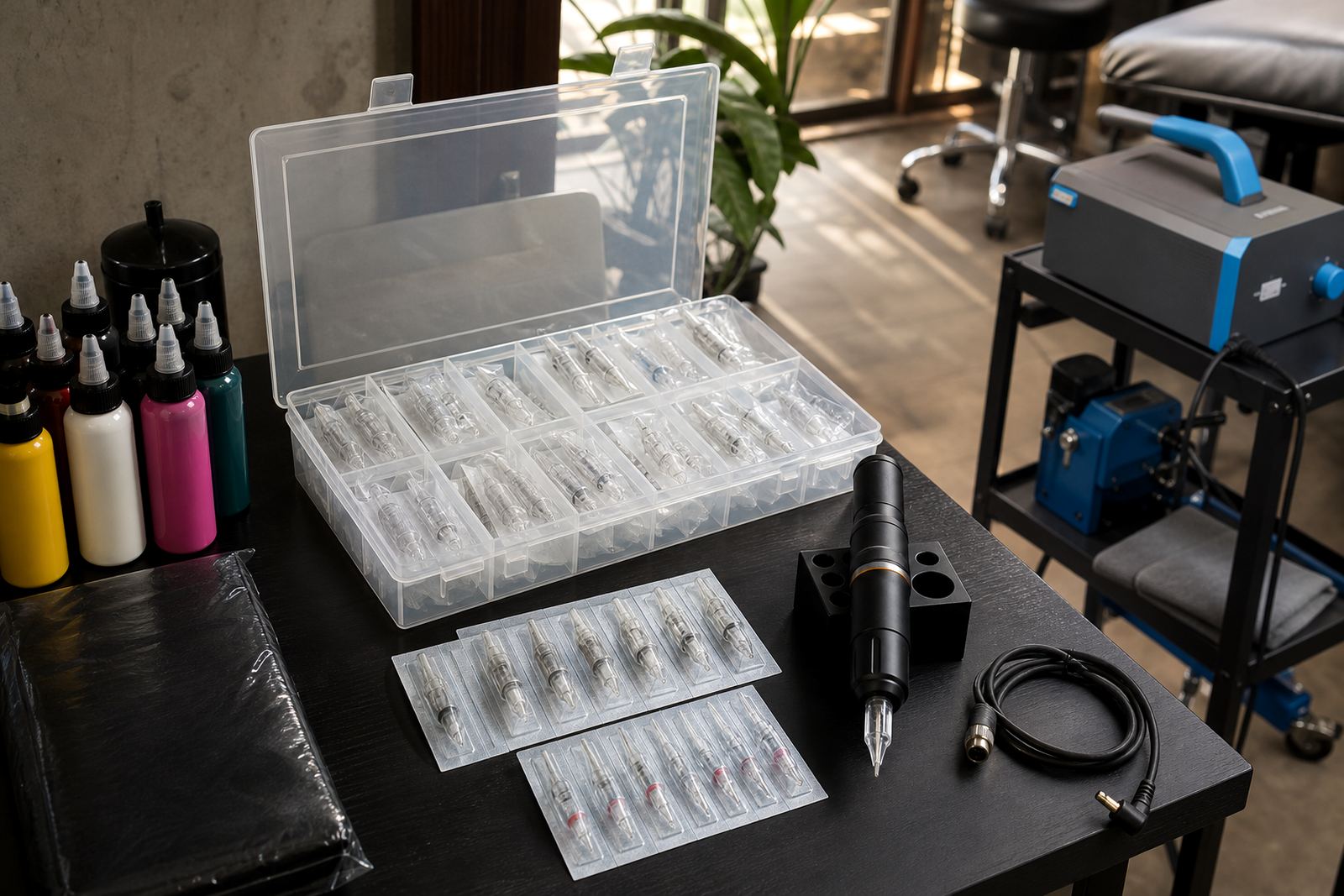
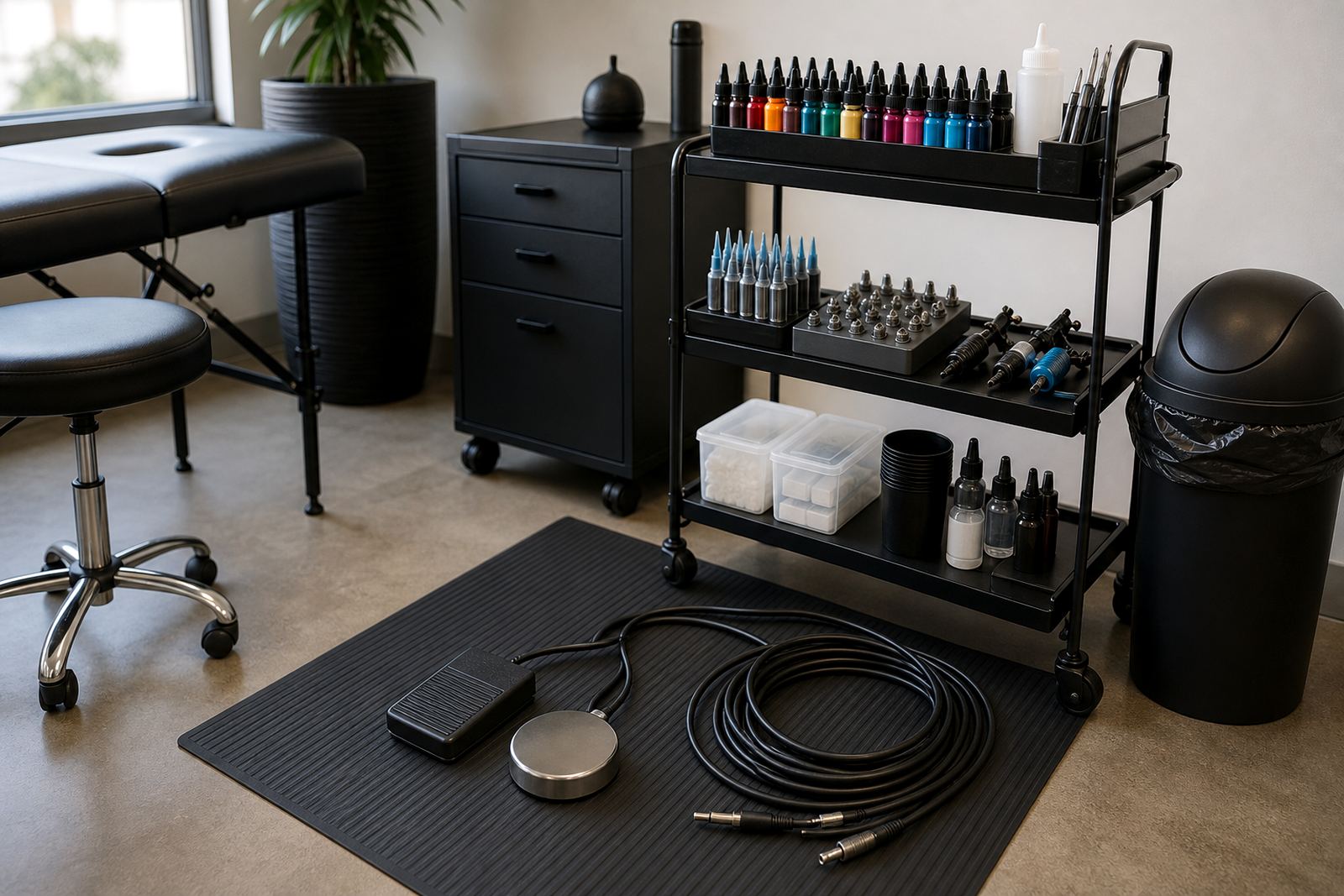
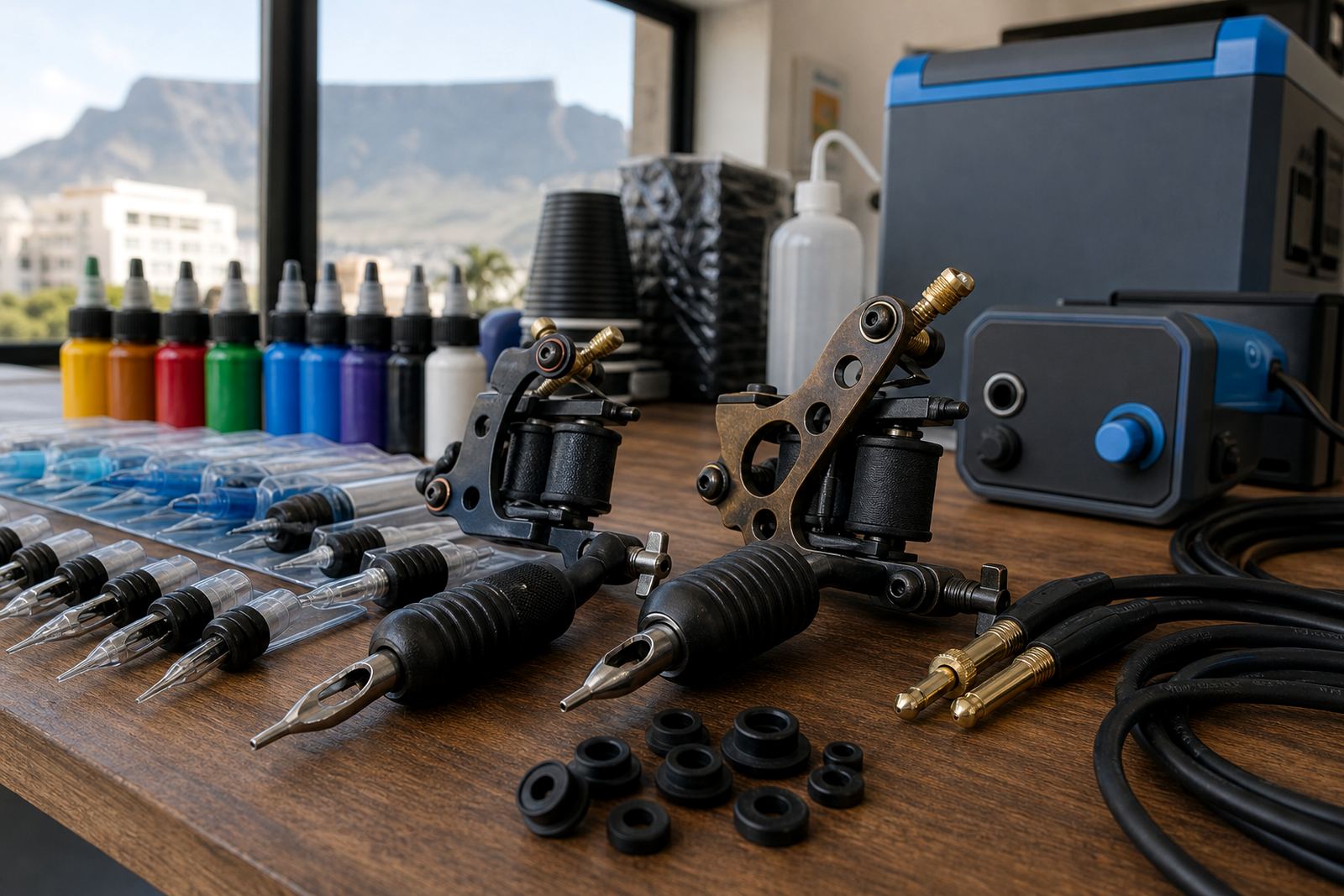
Greywash itself does not need fitting, but the station around it should be set up for clean handling. Tattoo machines, cartridge grips, ink caps, wraps, barrier film and sterile single-use items should be organised so the artist can move between tones without cluttering the work area. Where local health rules apply, studios should follow them closely and keep to the correct handling and disposal steps for all consumables.
For fitting and workflow, it helps to confirm how the needles or cartridges being used pair with the chosen grey range. A softer wash often suits smooth movement and layered passes, while darker tones may be used alongside tighter line or shading approaches. If a studio runs several machines, it is useful to match the greywash range with the station’s usual needle grouping so the flow stays familiar for each artist.
- Check the cartridge grouping or needle grouping used for shading work
- Keep ink caps, rinse cups and barrier items close to the chair
- Store opened bottles upright and capped when not in use
- Separate fresh stock from opened stock to avoid mix-ups
Care, storage and stock rotation
Greywash should be stored neatly, away from direct sun and in a stable studio cupboard or shelving unit. Bottles need clear labelling, sealed caps and a clean pour routine so the tones do not get mixed up during a full day’s work. In coastal areas like Cape Town and Gqeberha, stable storage matters even more because moisture and heat can affect how tidy a shelf stays over time.
Stock rotation is worth keeping tight. Place older bottles in front, keep the active tones easy to see, and separate unopened stock from daily-use bottles. Studios that order in batches often keep one shading set for regular work and a second reserve set for busy periods or seasonal demand.
- Wipe bottle exteriors before returning them to storage
- Keep caps tight after each use
- Use clear labels for light, mid and dark tones
- Check packaging on arrival for leaks or damage
Details to confirm before placing an order
When ordering greywash, it helps to confirm the exact tone grouping, bottle size and whether the set is pre-mixed or buildable. Studios should also note how many artists will draw from the same stock, whether the range is for daily chair use or occasional work, and whether the bottles need to sit alongside other black and grey consumables in the same reorder cycle.
InkX Tattoo supports stock list help, range grouping advice, station planning, consumable reorders and bulk order support for studios in Observatory, Cape Town and across South Africa. Delivery is available to Cape Town, Johannesburg, Durban, Pretoria, Gqeberha, Stellenbosch, Bellville and Somerset West. For any order, it is useful to confirm the shade count, bottle size, intended use, and whether you want matching cartridges, needles or other studio supplies included in the same dispatch.
Orders for greywash are often easier to manage when the studio keeps a simple list of what is used most often, what runs out fastest, and which tones are needed for larger sessions. That keeps the shelf more orderly and reduces last-minute gaps in the shading range.
Key facts
| Product type | Pre-mixed and buildable greywash inks for tattoo shading |
|---|---|
| Use case | Black and grey work, tonal layering, soft fades and controlled shading |
| Sizes | Common studio bottle sizes for testing, regular chair use and bulk stock |
| Grouping | Light, medium, dark and stepped tonal sets |
| Compatibility | For use with shading workflows, needles, cartridges and standard studio stations |
| Ordering details | Confirm tone range, bottle size, stock level, matching consumables and delivery area |