
Pedal control that suits real studio work
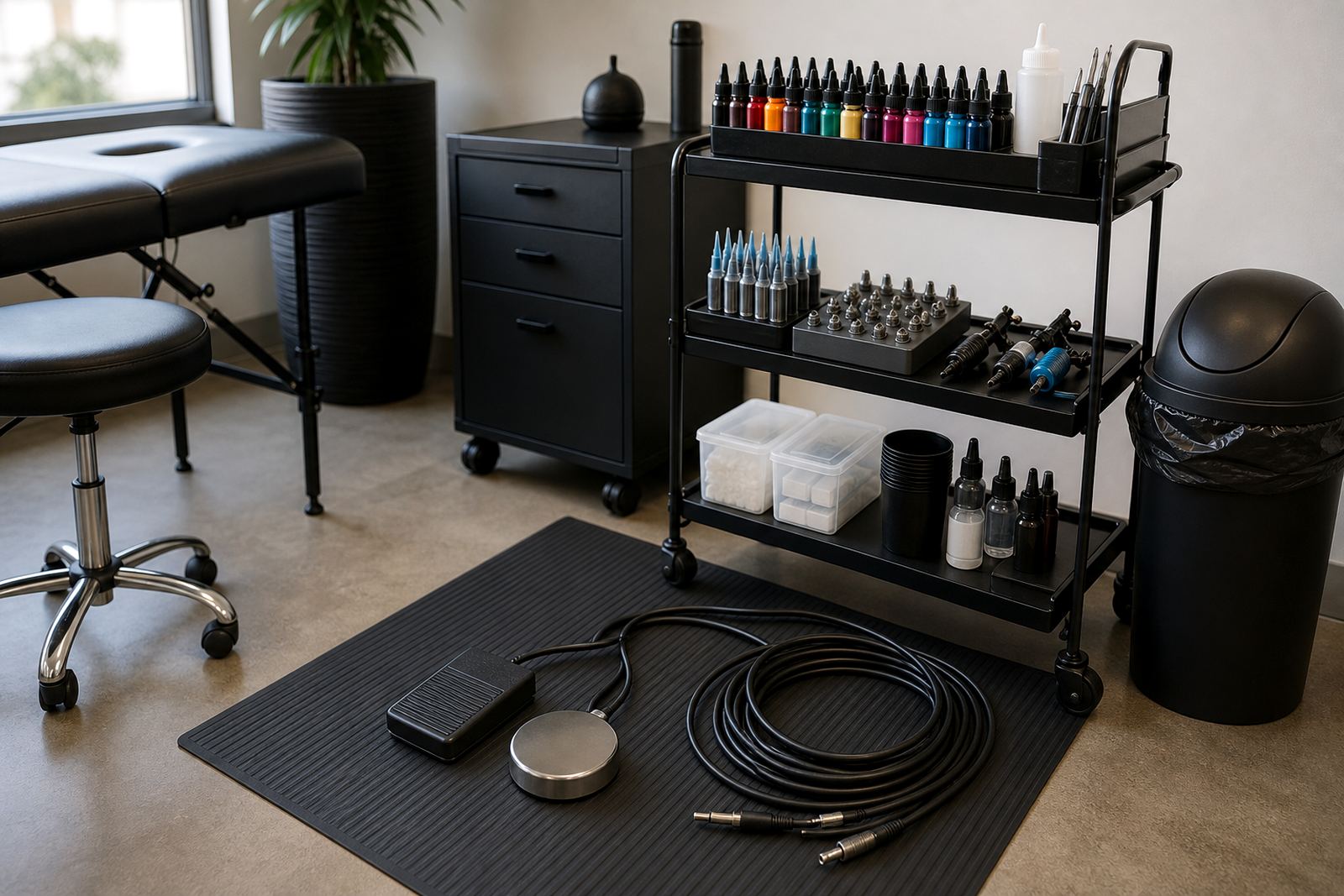
A foot pedal is part of the control chain for the machine, so a proper fit matters. The connection needs to sit firmly in the socket, with no wobble at the plug or strain on the cable where it leaves the pedal body. If the lead is too short, it can pull the station out of position; if it is too long, it can create slack that gets underfoot.
- Common body shapes include round, oval and rectangular pedals.
- Low profile units help reduce movement on smooth floors.
- Heavier casings can improve floor grip in fast-paced stations.
- Some pedals are supplied with straight leads, others with angled or flexible cable exits.
- Pedal response should feel immediate, with a clean on and off action.
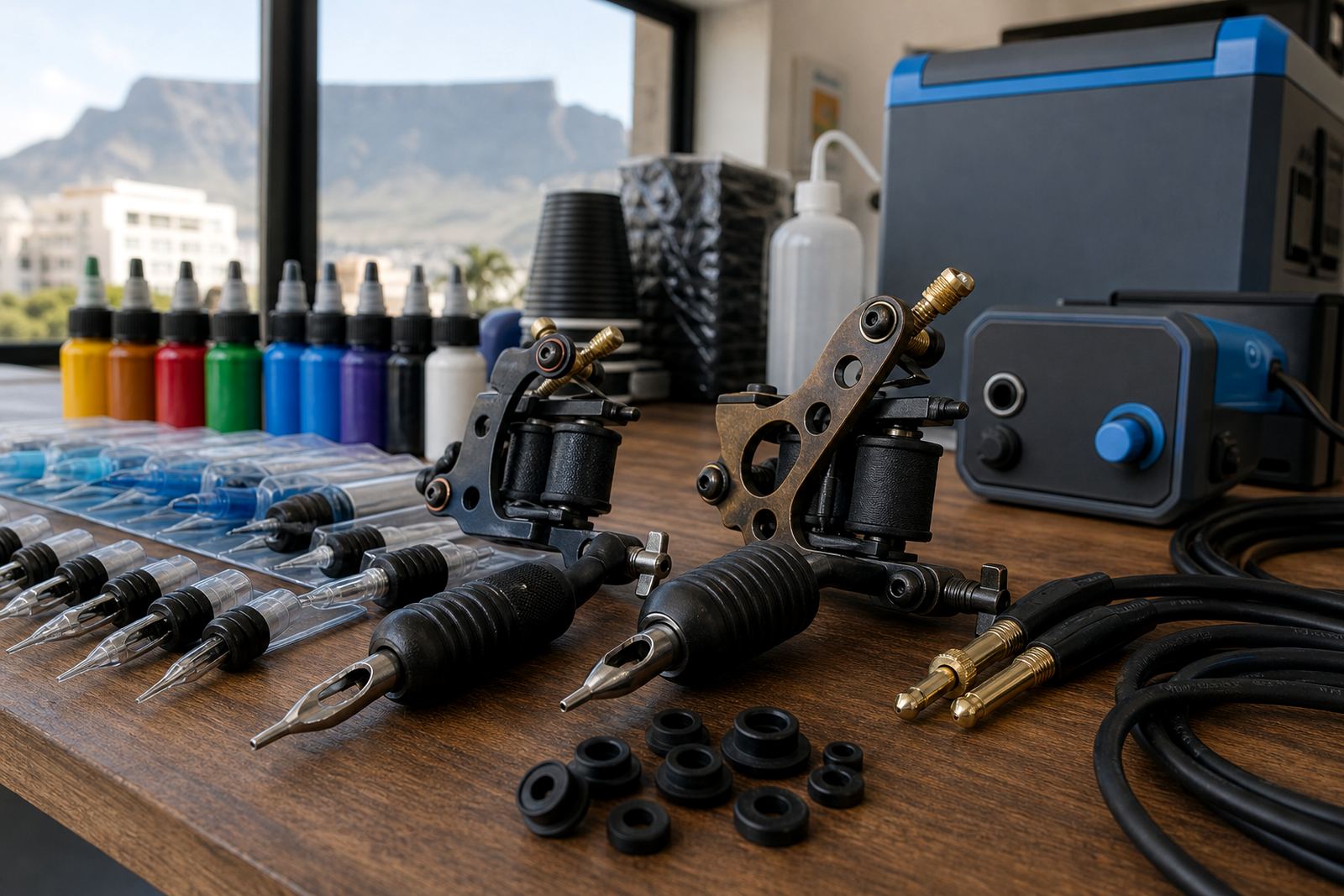
For shops using multiple work bays, the same pedal style across stations helps staff move between setups without adjusting foot habits each time. That can be useful in Cape Town studios with compact floor plans, or larger Pretoria and Johannesburg workrooms where more than one artist is active at once.
Options for single stations and shared work bays
Foot pedals also come into play when a studio stocks consumables for multiple artists. Having the same foot switch style across the floor can make it easier to standardise the rest of the station, from machine placement to cable routing. That supports cleaner movement around the chair and reduces the chance of cables crossing over sterile wraps, clip cord covers or waste bins.
Some clients look for a heavier pedal body for a more planted feel, while others prefer a lighter unit that can be packed into a travel kit. For mobile work or guest spots, a compact pedal with a flexible lead is often easier to carry in with other station items. In fixed studios, a heavier option may be better where the floor is slick or where the pedal needs to stay in one place all day.
Fitting the pedal into the station set-up
- Place the pedal within natural foot reach from the artist’s seated position.
- Route the cable so it does not cross walkways or sit under moving wheels.
- Check that the plug seats properly in the power supply.
- Use a floor mat if the station surface is smooth or hard underfoot.
- Keep the pedal clear of fluid spills and loose wrapping material.
In studios that run several bays, a small change in cable length can affect how the whole station feels. A pedal that sits too far away can slow the artist down, while one placed too close can crowd the legs. That is why the final position matters just as much as the product itself.
Care, wiping and storage between sessions
- Wipe the casing after each session with the studio’s normal cleaning routine.
- Inspect the cable for cuts, flattening or loose movement at the entry point.
- Keep the plug dry and store the unit away from heavy tools.
- Do not coil the lead tightly around the pedal body.
- Label spares so the correct unit goes back to the correct station.
A well-kept pedal lasts better when it is not left under chairs, bins or rolling storage. That practical care makes a difference in a working studio where equipment is used throughout the day and moved often between tasks.
What to confirm before ordering
- Plug style and socket match.
- Cable length for the station layout.
- Pedal shape, height and footprint.
- Need for a heavier or lighter body.
- Number of stations that need the same unit.
If the order is part of a larger studio set-up, include any related machine, cartridge or storage notes so the pedal choice fits into the full station plan. That makes it easier to keep the working area tidy and consistent across the floor.
Key facts
| Product type | Tattoo foot pedal for machine activation |
|---|---|
| Common shapes | Round, oval and rectangular |
| Connection | Standard wired control lead with matching plug type |
| Typical use | Single artist stations, shared bays and compact travel kits |
| Material profile | Durable housing with wipe-clean exterior and cable entry |
| Ordering details | Body shape, plug type, cable length, station count and floor space |