
What makes a magnum different on the bench
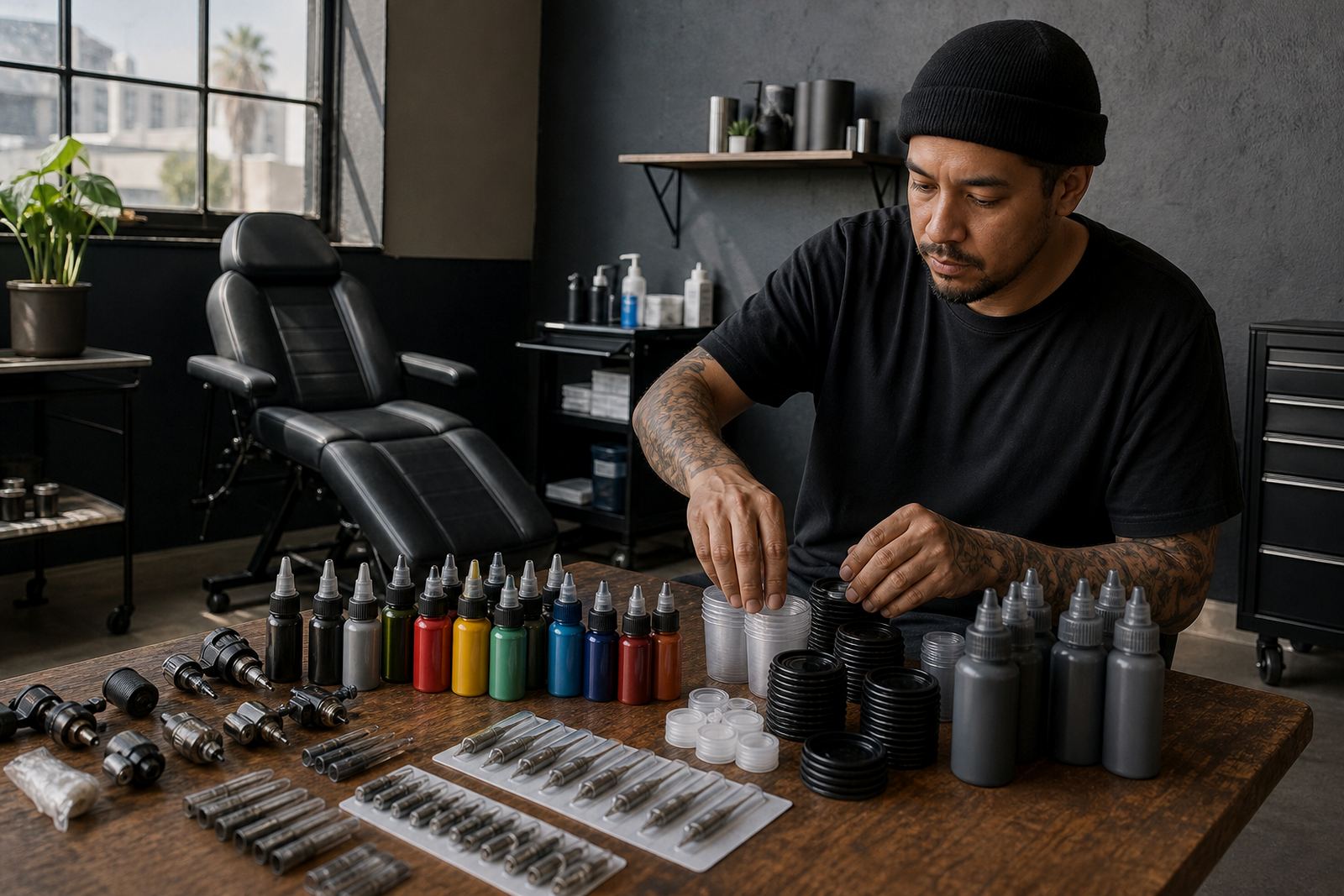
Magnum needles are grouped so more needles sit in a wider arrangement than a round configuration, which gives a larger working edge with each pass. That wider edge is useful for filling, soft gradients, and steady colour movement across bigger areas of skin, especially when a design has open backgrounds or broad shadow blocks.
In daily studio use, the difference is not just size. Needle count, taper length, spacing, and the way the group is mounted all affect how the set behaves. A packed magnum pushes more pigment at once, while a softer open group can feel lighter and leave more room for layering. For observant stock planning, it helps to treat magnums as a family of tools rather than one single type.
- Used for shading and colour packing over wider areas
- Available in different group widths and taper styles
- Chosen to suit the machine stroke and the artist’s hand speed
The main magnum groupings you will see
Stock lists usually separate magnums by how the needles are arranged. Straight mags, curved mags, stacked groups, and soft edge groupings each have their own feel. The names can vary slightly, but the working idea stays the same: some groups are built for firm packing and others for smoother transitions.
- Straight magnums: a flat row or two rows arranged evenly for solid coverage
- Curved magnums: a bowed edge that can move more gently across curved areas
- Stacked magnums: a tighter arrangement for denser colour push
- Open mags: spaced for softer flow and less concentrated saturation
These groupings are often matched to different jobs in the same studio. A stronger grouping may be better for bold fills, while a softer one is often kept for gradual shading and cleaner transitions. For coastal studios in Cape Town, storage matters too because humidity can affect packaging, labels, and how neatly supplies stay organised on the shelf.
Match the group to the machine and the hand speed
A magnum group works best when the machine setup suits it. Stroke length, needle protrusion, voltage settings, and grip comfort all change how the set behaves on skin. A wide group on a machine that is too slow can feel sluggish, while a lighter group on a machine set too hard can make controlled shading harder than it needs to be.
That is why machine match help and cartridge match help are useful parts of studio stock planning. A team in Johannesburg may prefer one combination for large black and grey work, while a Durban studio working in warm, humid conditions may choose slightly different handling to keep the motion steady during longer sessions. The correct grouping is not about trends, it is about keeping the movement clean and predictable.
- Wider groups suit broader fills and background work
- Smaller or softer groups are easier to guide on tight curves
- Machine stroke and pressure control should match the group size
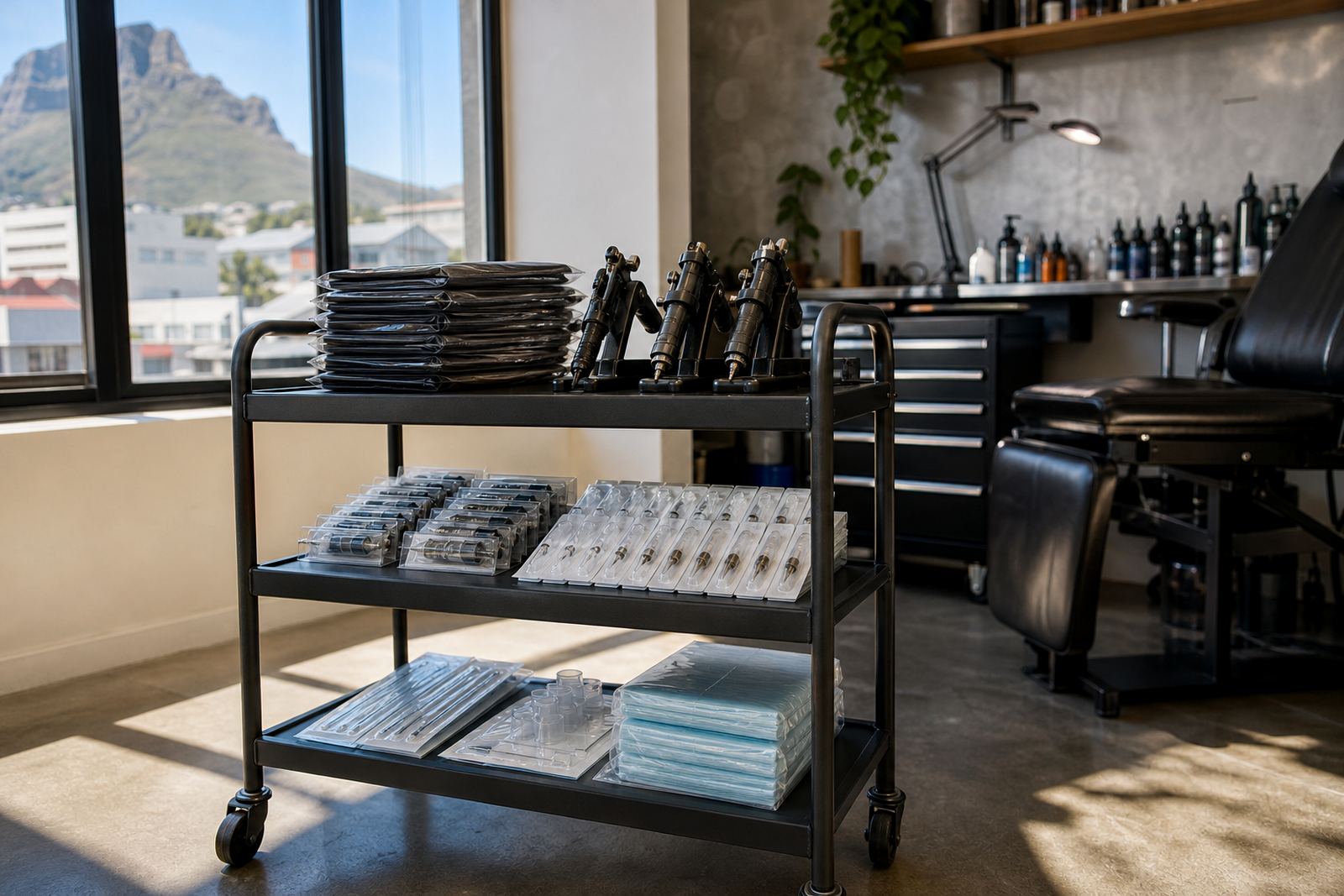
Needle groups, cartridges, and the way studios store them
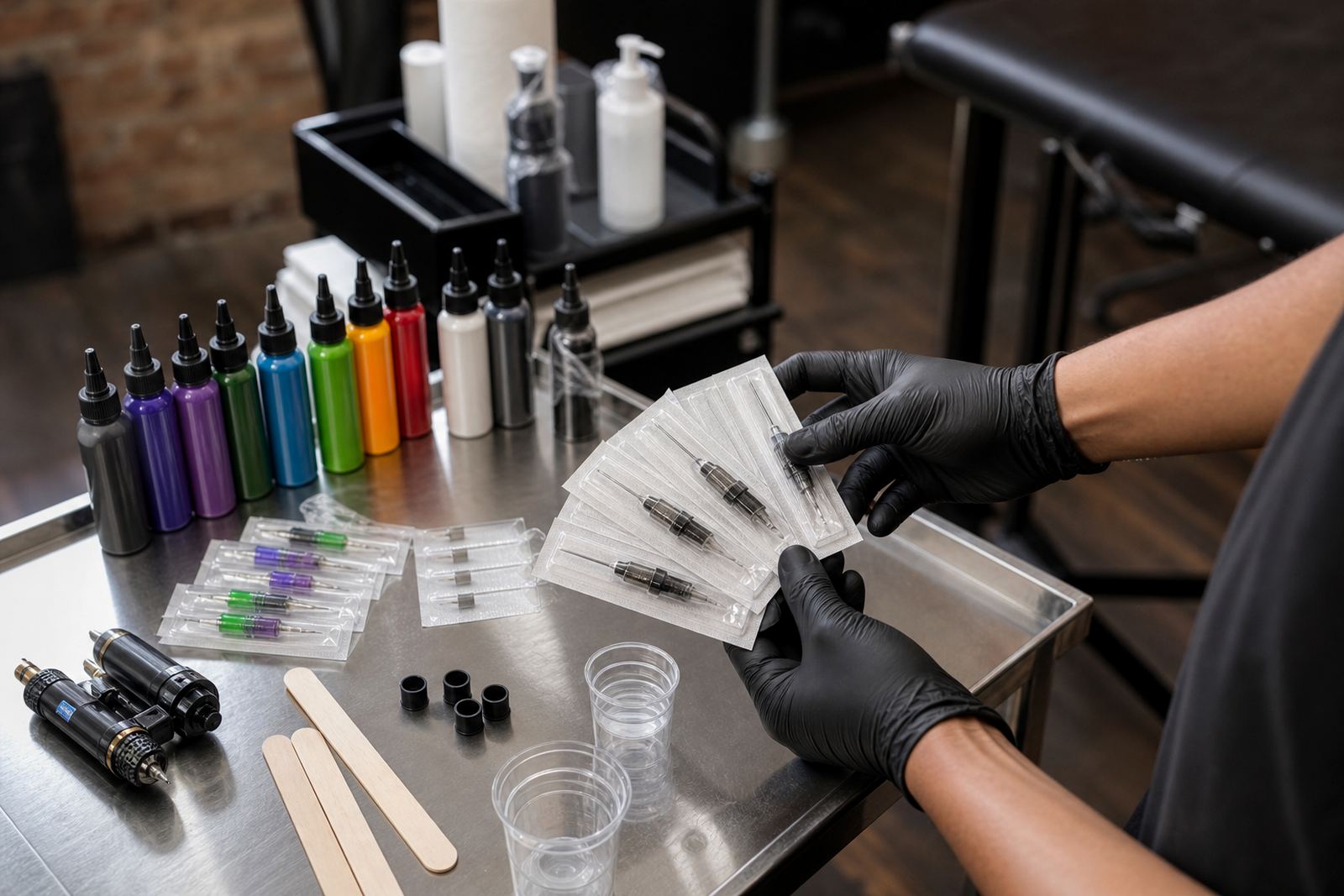
Many studios use both traditional needle groupings and cartridge systems, so it helps to keep the inventory structure clear. Cartridges are often chosen for quick changes during a session, while grouped needles are still important for artists who prefer a particular feel. Either way, the packaging should stay organised, sealed where required, and easy to identify before use.
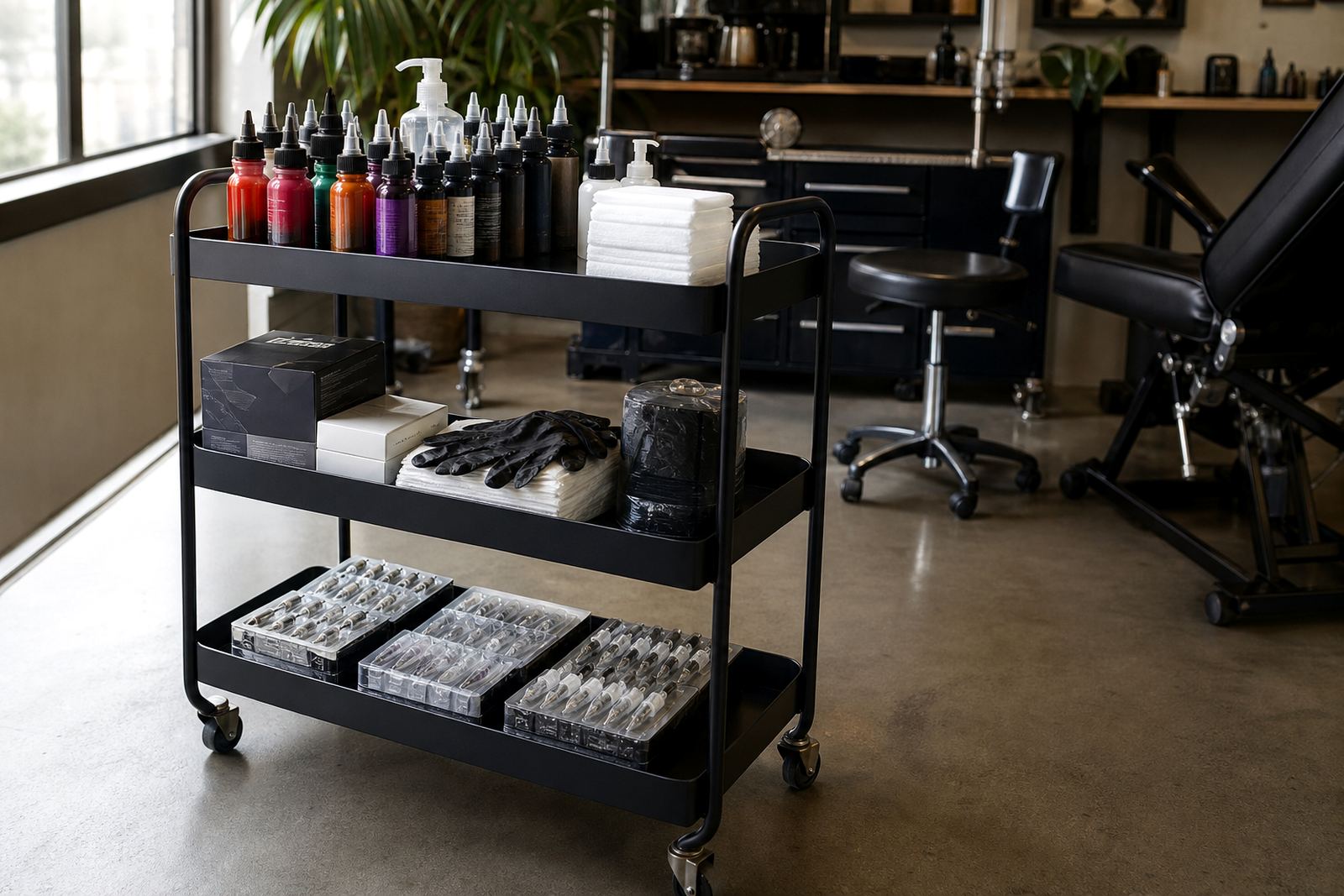
Storage planning is part of studio hygiene and daily order. Dry shelving, labelled containers, and a clean separation between sterile single-use items and general consumables all make stock handling easier. In Pretoria or Gqeberha, where delivery schedules can vary across different studio areas, having grouped stock records also helps with replenishing the right items in the right quantities.
- Keep needle group sizes separated by category
- Store cartridges and single-use items in a clean, dry system
- Use clear labelling for reorders, counts, and shelf rotation
How to choose magnum stock for broad-coverage work
If the studio does a lot of large panel work, bold black packing, or wide colour fields, it is worth keeping more than one magnum category in stock. Broad coverage work usually needs a dependable base range, then a few variations for softer or tighter applications. Consumable reorders are easier to manage when the team knows which groupings move fastest.
A practical stock list might include a standard straight magnum, a softer curved version, and one denser grouping for heavier work. For a studio in Bellville or Somerset West, that mix can cover most common jobs without tying up too much shelf space. Product substitutions can help when a preferred grouping is unavailable, but only if the replacement size and layout suit the artist’s method.
- Keep the most used magnum groupings in the strongest quantities
- Separate soft edge and dense edge options in the stock list
- Match reorder quantities to actual studio workload
A Cape Town stockroom example with wider South African delivery
In a busy Observatory stockroom, magnum needle groups may be counted, boxed, and separated before dispatch to studios across Cape Town, Johannesburg, Durban, Pretoria, and Gqeberha. The most useful orders are the ones that line up with real work patterns, not with guesswork. When a studio manager knows which groupings are used for shading days and which are used for full coverage pieces, restocking becomes cleaner.
That same approach helps with seasonal restock plans. If a studio sees heavier bookings during holiday periods or local events, the magnum range can be adjusted ahead of time so there is less scrambling when the schedule fills. A careful range grouping advice session can also make it easier to choose between needle packs, cartridge groupings, and other studio supplies without over-ordering.
- Plan stock by the type of work the studio does most often
- Use dispatch updates to track larger replenishment orders
- Keep broad-coverage sets separate from fine-line stock