What round shader groupings do on the skin
Round shader needles are built with needles grouped in a circular formation, then soldered so the points sit close enough for steady ink delivery while still giving a softer spread than tight liner groupings. In practice, that makes them useful when a client piece needs colour laid in with more control than a wide magnum, but less bite than a lining setup.
Artists use them for small fills, soft edge work, compact shading inside lettering, and detail zones where a wide grouping would be too open. The grouping can also suit tighter work in knees, forearms, ribs and other areas where the stencil space is limited and a careful hand matters. When the fit is right, the grouping gives a controlled pass that supports even saturation without chasing the same patch over and over, which saves time and keeps the work cleaner.
- Grouped in a round pattern for controlled ink delivery
- Useful for soft packing and smaller shaded fields
- Suits fine detail around lettering, line breaks, and compact shapes
- Available in different group sizes for heavier or lighter application
Common sizes and what each grouping suits
Round shader needles are usually chosen by needle count, taper, and diameter. Smaller counts suit lighter fills and delicate shading, while larger counts cover more skin per pass. Many studios keep a few groupings in stock so the artist can match the needle to the line weight, stencil scale, and texture of the area being worked.
Typical options include 3RS, 5RS, 7RS and 9RS groupings, with some artists preferring 11RS for broader shading on larger pieces. Needle diameter is commonly selected for flow and control, with finer diameters giving a lighter hand and thicker diameters moving more pigment. Taper length changes the feel too, because a shorter taper can hit a bit firmer while a longer taper softens the entry. The exact setup depends on the hand speed, machine stroke, and the way the artist packs colour.
- 3RS and 5RS for fine detail, small fills, and tighter zones
- 7RS and 9RS for general shader work and medium shading
- 11RS for broader coverage on larger shaped areas
- Needle diameter and taper affect flow, bite and softness
Where round shaders fit in a working studio
Round shader needles suit everyday tattoo stations that handle line and shade combinations, flash work, script, botanical pieces, ornamental detail, and smaller colour elements. They are also useful for artists who want one grouping that can move from texture work into controlled fill without swapping to a much wider grouping at every stage.
In South African studios, round shaders are often kept ready with other consumables so the station can be set for the day’s bookings, whether the work is happening in Observatory, Bellville, Somerset West, Pretoria, Durban, Johannesburg or Gqeberha. For studios serving walk-ins and scheduled work, having the right grouping on hand helps with flow at the chair, especially when the appointment turns from linework to shading half way through. A tidy station makes the job easier, and the needle choice is part of that.
- Small to medium tattoos with shading or soft fill
- Lettering, script borders, and ornamental details
- Mixed-work appointments where one setup needs to do more than one task
- Studios planning stock for steady daily use and consumable reorders
Machine fit, grip feel, and cartridge matching
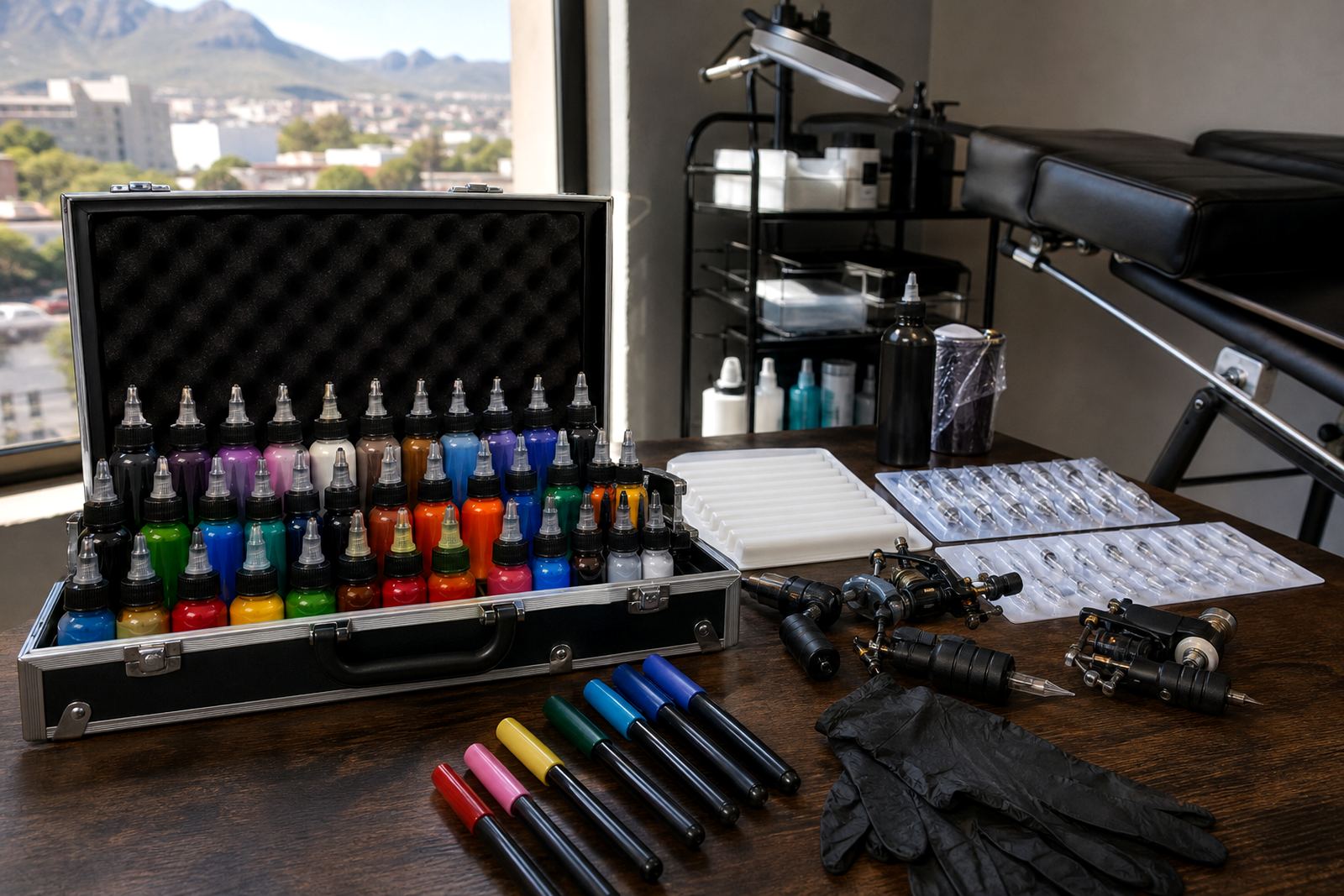
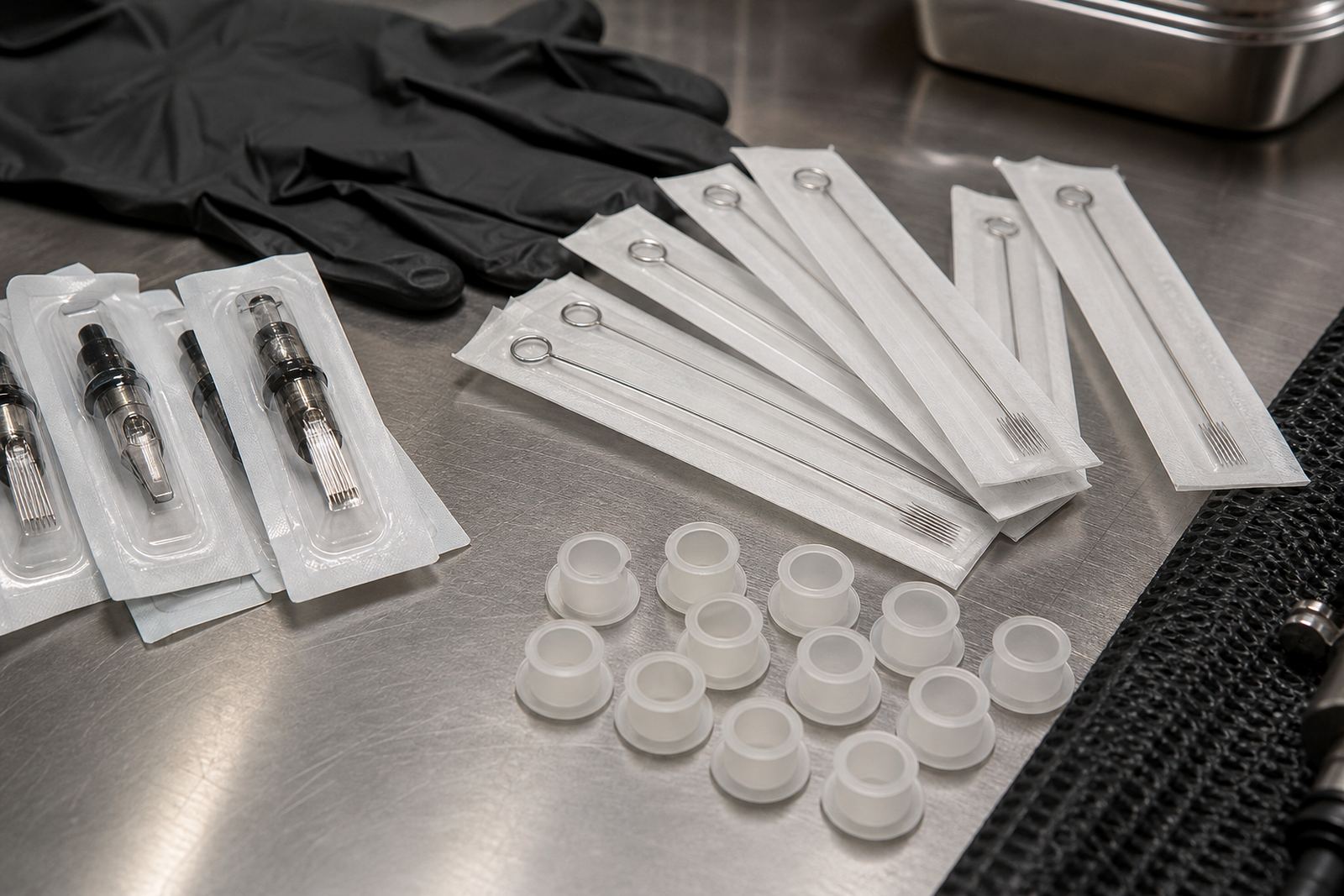
Round shader groupings can be fitted to machines or cartridge systems depending on the studio setup. When ordering, it helps to confirm the machine type, grip or cartridge compatibility, and the needle configuration you want in the chair. Some artists prefer traditional needle bars for a particular hand feel, while others work with cartridges for quicker changes between groupings.
If the station uses cartridges, check the housing fit, membrane style, and how the cartridge seats in the machine and grip. For traditional setups, confirm the needle bar length and the way the machine holds the grouping during movement. A clean fit keeps the needle stable and helps the artist hold a steady hand through longer passes. If the needle sits too loose or too tight, the feel changes and the work starts to show it.
- Confirm whether the station uses cartridges or traditional needle bars
- Check the machine stroke and hand speed used for shading
- Match the grouping to the grip size and cartridge housing
- Keep spare groupings close for station planning and dispatch control
Storage, sterility, and studio hygiene handling
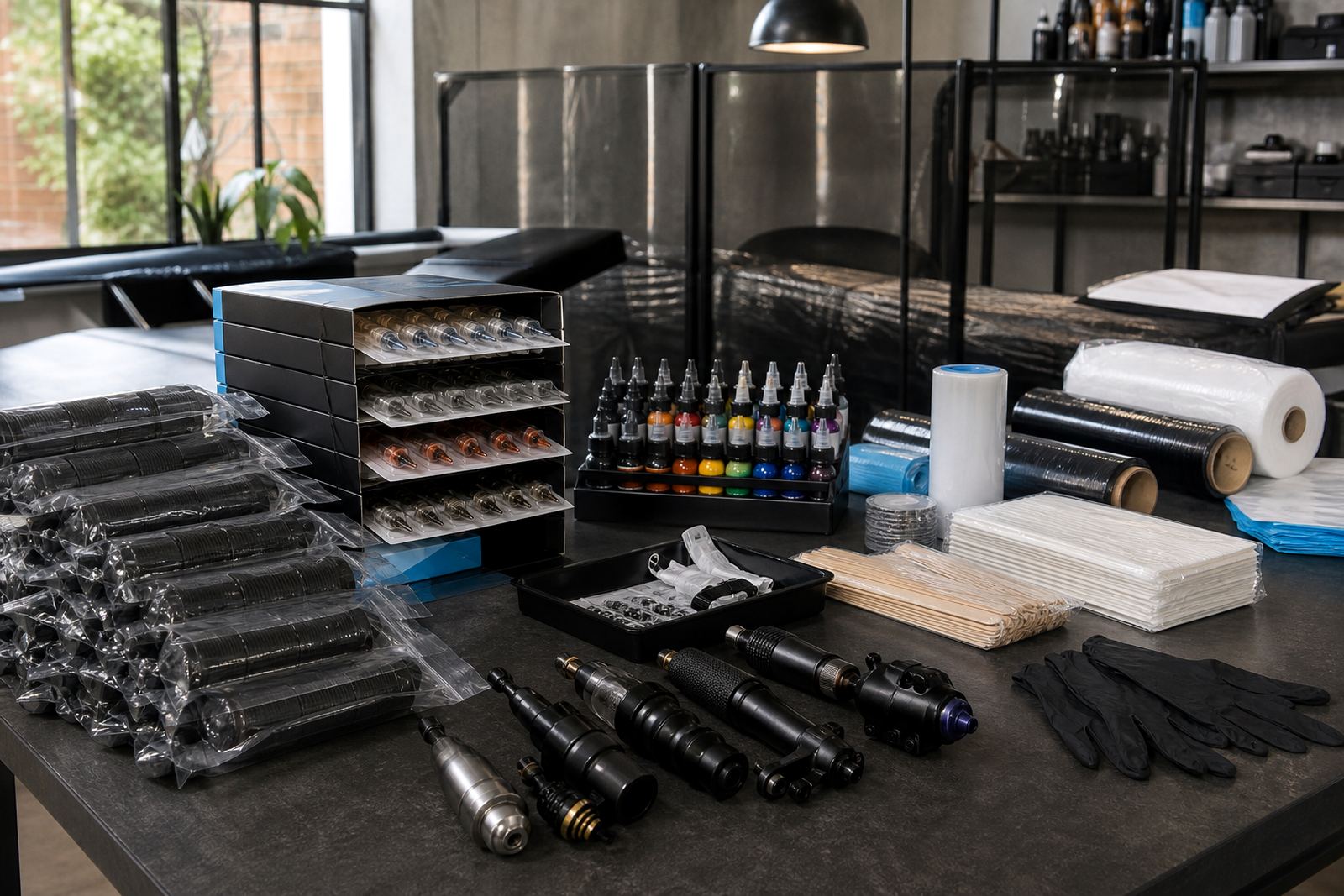
Round shader needles are part of the sterile, single-use side of studio stock, so they should be stored in clean, dry conditions and opened only at the station when needed. Packaging should stay sealed until use, with labels and lot details checked before the work starts. Good storage keeps the pack from getting crushed, damp or dusty, which matters in Cape Town humidity and in busy studios where consumables move fast.
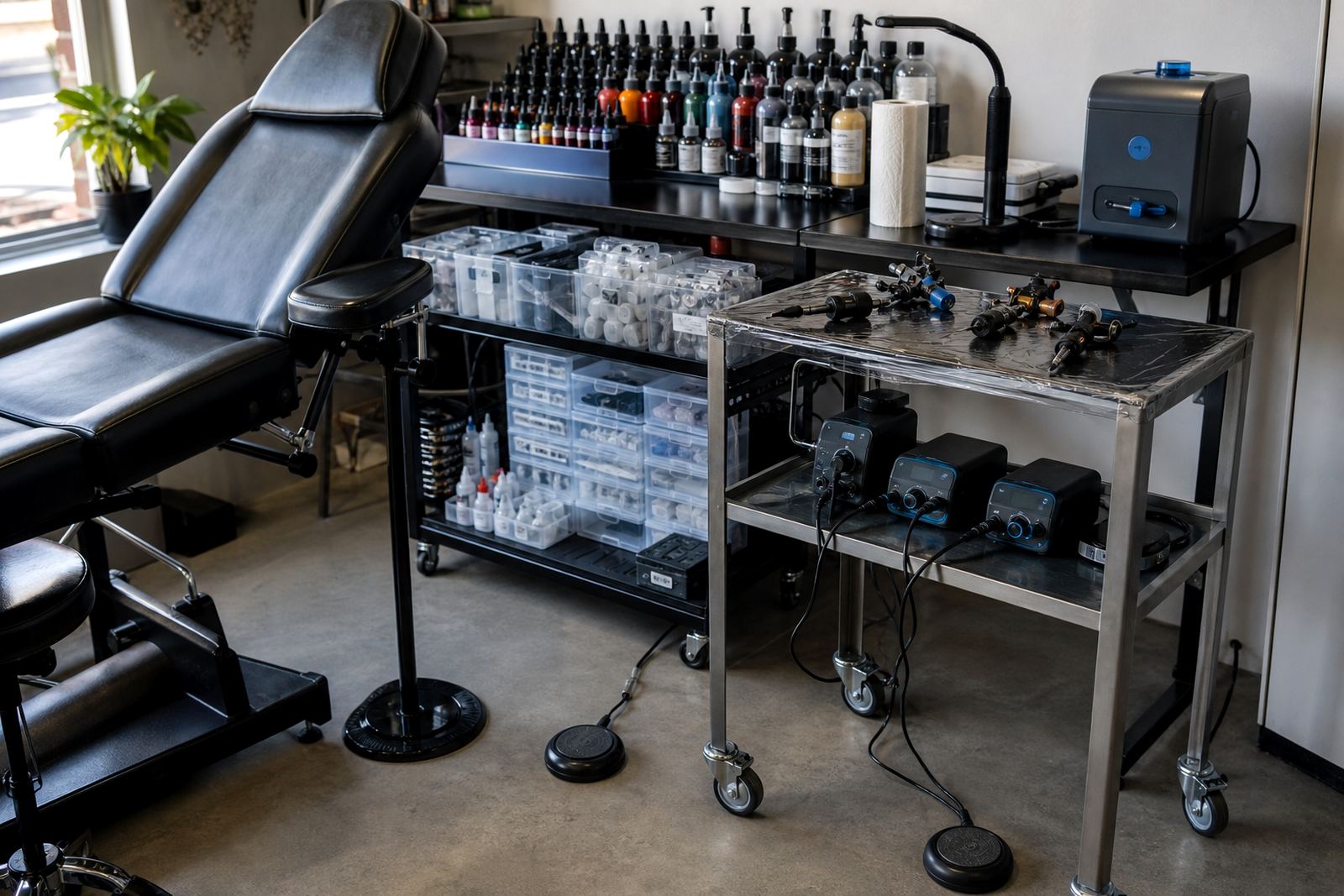
Needles should be kept away from splashes, loose pigment, and general prep clutter. Many studios use sealed tubs, drawer organisers, or labelled shelf stock to separate different groupings and lengths. Follow local health regulations for studio hygiene, disposal, and infection control, and keep your station process consistent from client to client. That kind of routine is not fancy, but it keeps the room orderly and the stock usable.
- Store sealed packs in a dry, clean cabinet or drawer system
- Check packaging integrity before opening at the station
- Separate sterile stock from used items and general supplies
- Follow local health regulations for hygiene and disposal
Ordering the right round shader stock for your setup
When placing an order, confirm the grouping size, needle count, taper, diameter, and whether you need traditional or cartridge format. If your studio works across different styles, it can help to order a mixed set of round shaders so the station has enough range for fine fill, soft shading, and medium coverage. That cuts down on last-minute substitutions and keeps the shelf better prepared for the week.
It also helps to note any machine match needs, stock quantities per station, and whether the order is for individual use or a full studio restock. Our team can help with stock list support, grouping advice, cartridge match help, and consumable reorders for studios in Cape Town, Johannesburg, Durban, Pretoria, Gqeberha, Stellenbosch, Bellville and Somerset West. If you are planning a wider refill, add storage planning and dispatch updates to the order notes so the cart is packed in a way that suits your setup.
- Needle count, taper, and diameter
- Traditional needle bar or cartridge format
- Machine type and grip compatibility
- Order quantity per station or per artist
Key facts
| Product type | Round shader needle groupings |
|---|---|
| Common sizes | 3RS, 5RS, 7RS, 9RS, 11RS |
| Needle formats | Traditional needle bars and cartridge options |
| Use case | Controlled fill, soft packing, small shading and detail work |
| Sterility | Single-use sterile consumable |
| Ordering details | Needle count, taper, diameter, format, machine compatibility, quantity |