
How to log a stock alert request
Use the enquiry form on our contact page and name the exact item group you need, such as tattoo inks, needle groupings, cartridge groupings, disposable grips, barrier items, clip cord covers, or cleaning and storage supplies. Include the product type, sizes, colour ranges if relevant, and the delivery area, whether that is Cape Town, Johannesburg, Durban, Pretoria, Gqeberha, Stellenbosch, Bellville or Somerset West.
When the request is clear, it is easier to check what is due in and what can be matched from the current range. If you are stocking for a busy shop in Observatory, a studio in Durban with coastal humidity, or a walk-in space in Pretoria, the format is the same: item, size, quantity, and where it needs to go.
- State the item family first, then the exact variant.
- Add the quantity you need for the order.
- Mention whether you need a single box, a mixed set, or a bulk run.
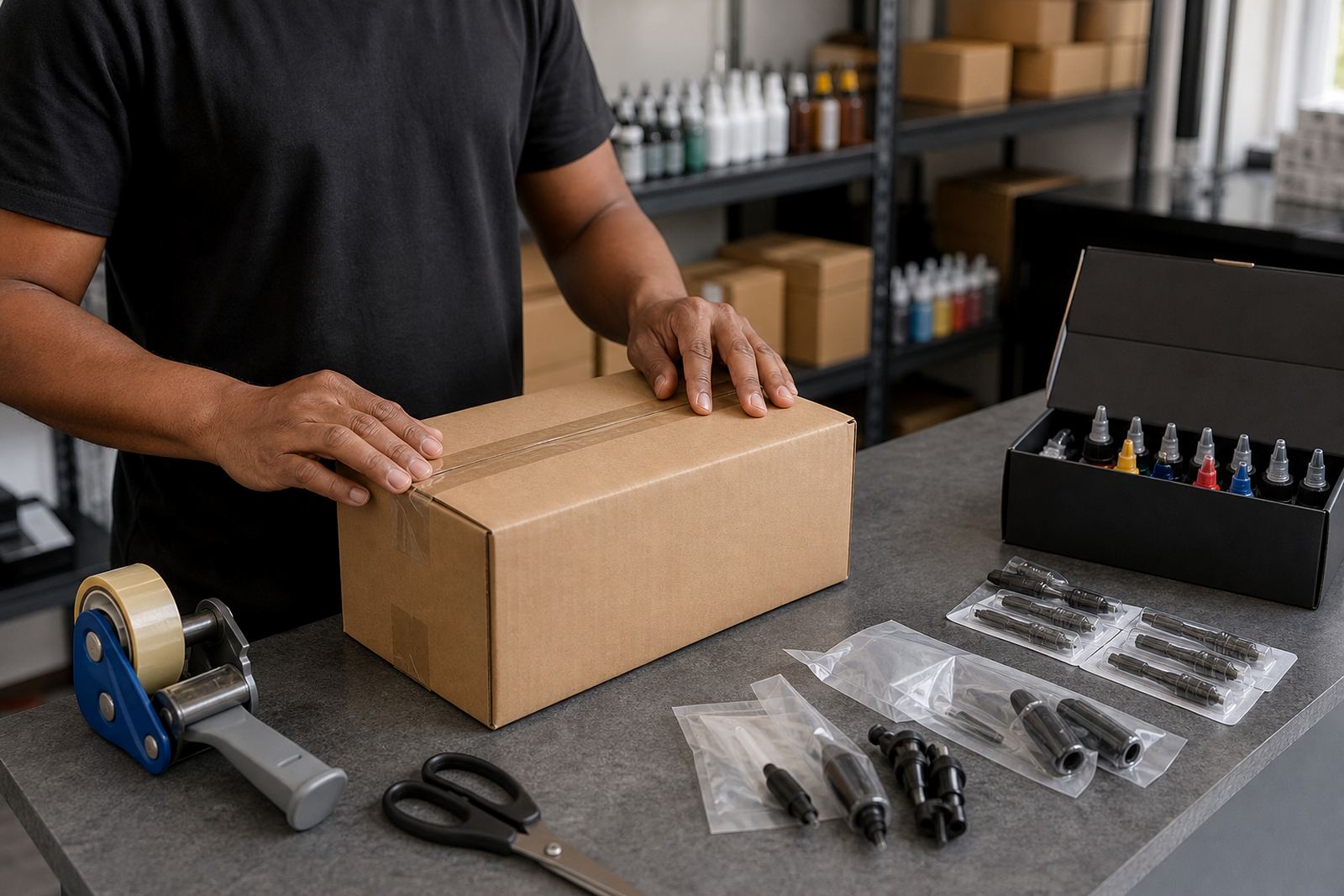
- Note the city or delivery area for dispatch planning.
Reading the stock note before you place an order
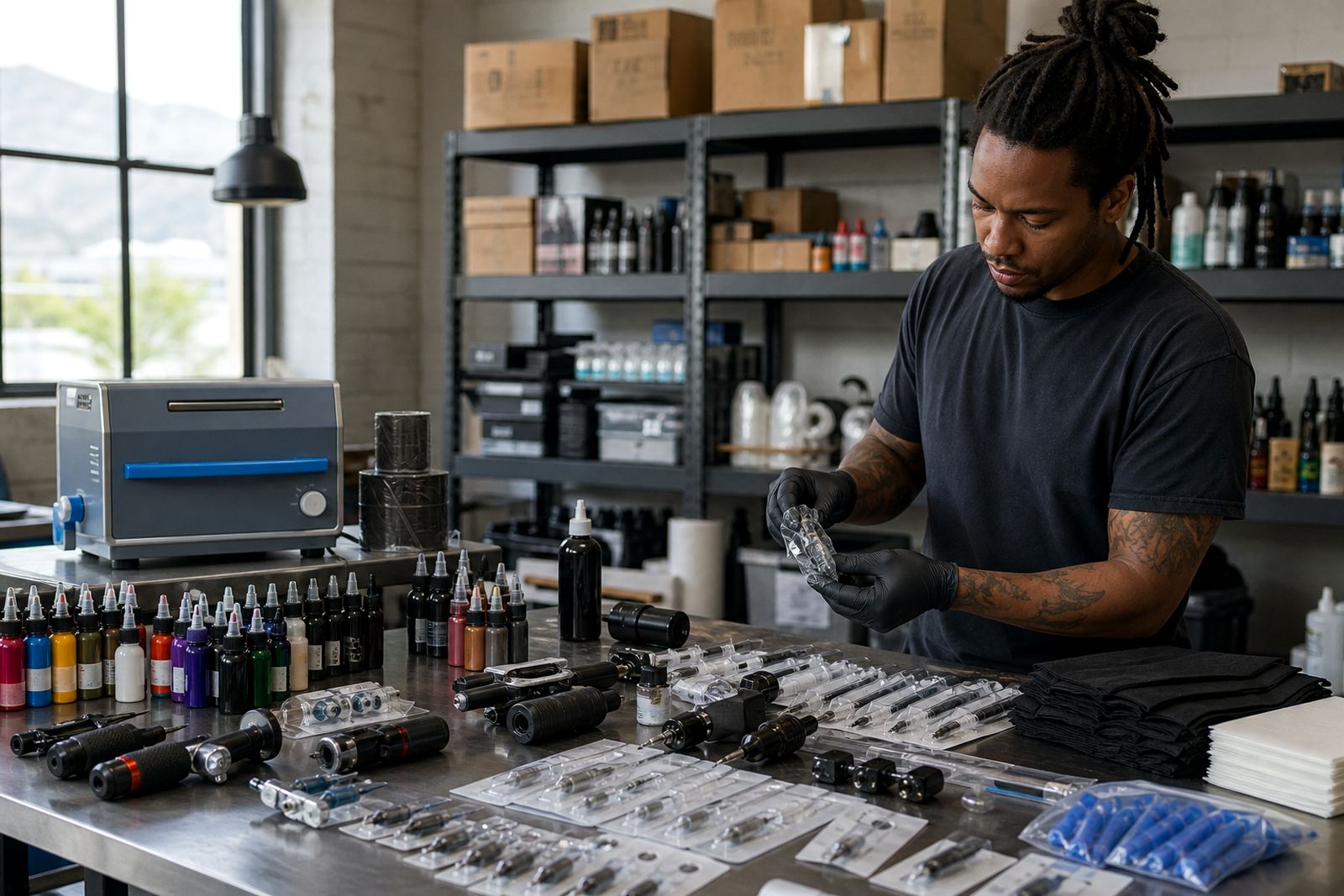
Stock alerts are useful when you want a quick view of what is due in, what is already on hand, and what may need to be split into smaller groupings. For tattoo inks, that might mean checking single colours, sets, or bottle sizes. For needles and cartridges, it can mean looking at liner, shader, magnum, or mixed groupings so the count matches your station layout.
If a line is tight, ask for the closest category match rather than waiting for an exact item only. Studios often need to keep work moving with a practical substitute, especially when a particular grouping is limited. That is also useful for consumables used daily, where a missing pack can affect the whole week’s prep.
- Check the item name, size and grouping.
- Ask if the note refers to incoming stock, partial stock, or a substitute option.
- Compare the unit count against your usual station use.
- Keep your reorder list grouped by ink, needles, cartridges and studio consumables.
When an alternative category makes more sense
Sometimes the item you asked for is not the best fit for the order, but a related category can do the job. A needle grouping may be unavailable while a similar cartridge grouping is ready, or a particular ink size may be tight while another bottle size is in stock. In those cases, it helps to think in categories rather than one exact line.
That approach is useful for new studios as well as busy rooms that need to keep backup drawers organised. If you need stationery for prep, sterile single-use items, wrap, caps, wipes, barriers or storage containers, the category can often be matched even when the exact pack is not on the shelf. Follow local health regulations for handling, storage and disposal requirements in your area.
- Ask for a category match if the exact line is not available.
- List what can be substituted and what must stay exact.
- Include any size limits for your drawers, trays or storage tubs.
- Use the same naming style each time so stock notes stay consistent.
Planning around studio use in busy months
Many studios place alerts before seasonal peaks, flash event weeks, or times when guest artists are booked in. In those periods it is worth checking inks, cartridges, needles and barrier supplies together rather than one by one. A grouped view helps you see what will run low first and what can wait.
If your studio serves different work styles, stock alerts can also separate lines for lining, shading and colour packing. That way the order follows actual use, not just what looks low on the shelf. For coastal areas like Cape Town and Gqeberha, storage planning matters too, because humidity can affect how neatly supplies sit in sealed packs and cupboards.
- List fast-moving items first.
- Separate colour work, lining work and prep consumables.
- Review what is used daily, weekly and monthly.
- Keep a note of any storage concerns in warm or humid rooms.
What details help us match the right group
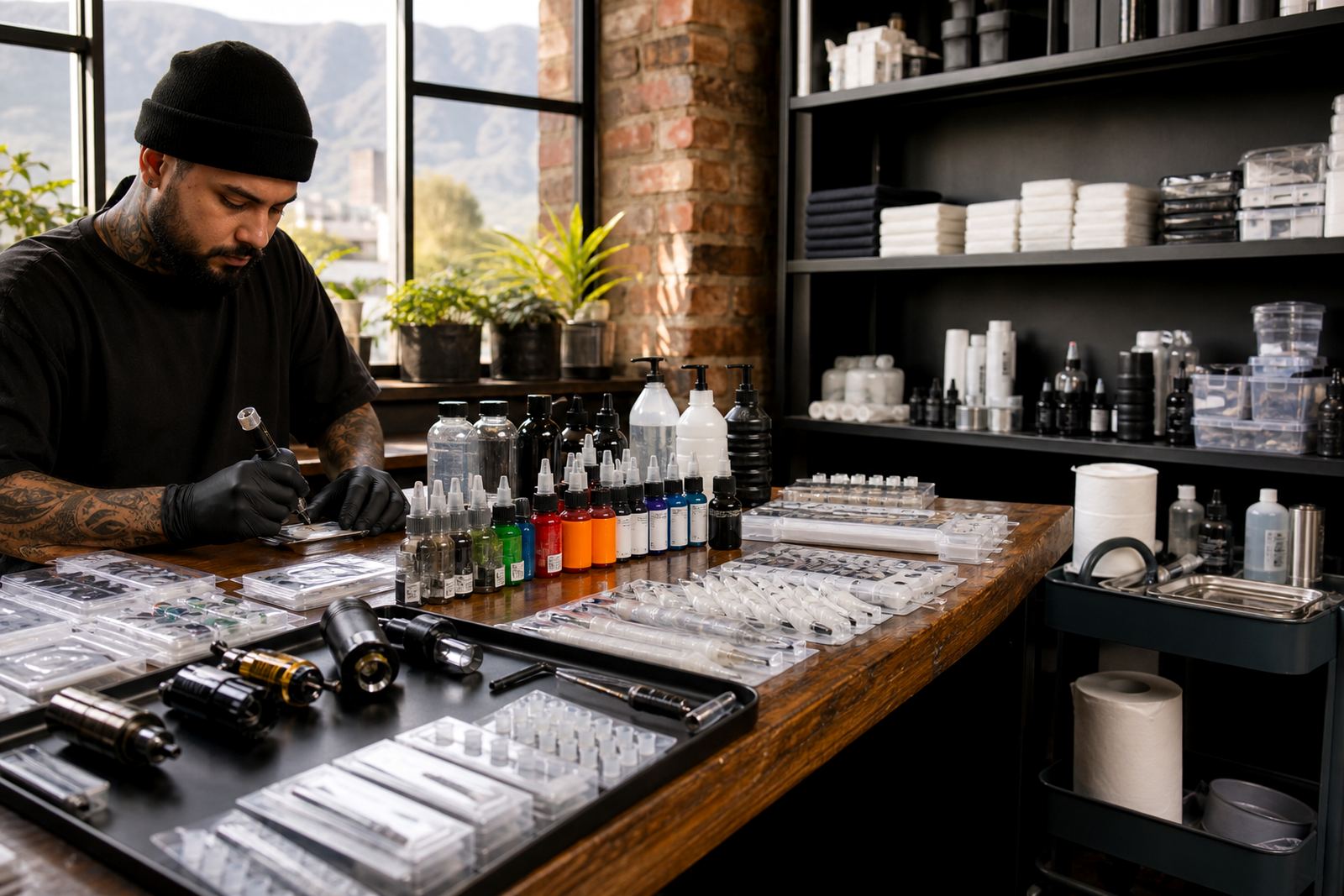
The best stock alert requests are short but specific. For needles, say whether you need liners, shaders, mags or mixed packs. For cartridges, mention the grouping, taper style if relevant, and whether you want a small count or a larger workshop lot. For inks, include the colour family, bottle size and whether the order is for single shades or a broader set.
For machines and other studio supplies, the same method works. Name the item group, the use case, and the quantity you want to hold on hand. This helps avoid waste and saves time when you are setting up a fresh drawer or topping up a larger studio order. If you are unsure, our team can help sort the list into cleaner stock groups.
- Use the product family name first.
- Follow with size, count and use category.
- Say if you need a refill, a backup pack, or a mixed order.
- Include the delivery area so the dispatch note is complete.
Keeping alert requests tidy for repeat ordering
Once your stock note is set up properly, it becomes much easier to repeat the same structure for future restocks. Many studios keep one list for inks, one for needles and cartridges, and one for cleaning and storage items. That method keeps the shelves easier to read and helps the warehouse side of the order stay accurate.
If your order pattern changes with guest spots, events or larger bookings, update the note before the next dispatch rather than rebuilding the whole list. A neat stock alert also helps when you are asking for consumable reorders, product substitutions, or new studio kits for an extra room. Follow local health regulations for any sterility, handling and disposal rules that apply to your workspace.
- Keep one master list for the studio.
- Update counts after busy weeks.
- Separate urgent gaps from standard restocks.
- Use the same item names each time for cleaner matching.