Matching the nearest usable option
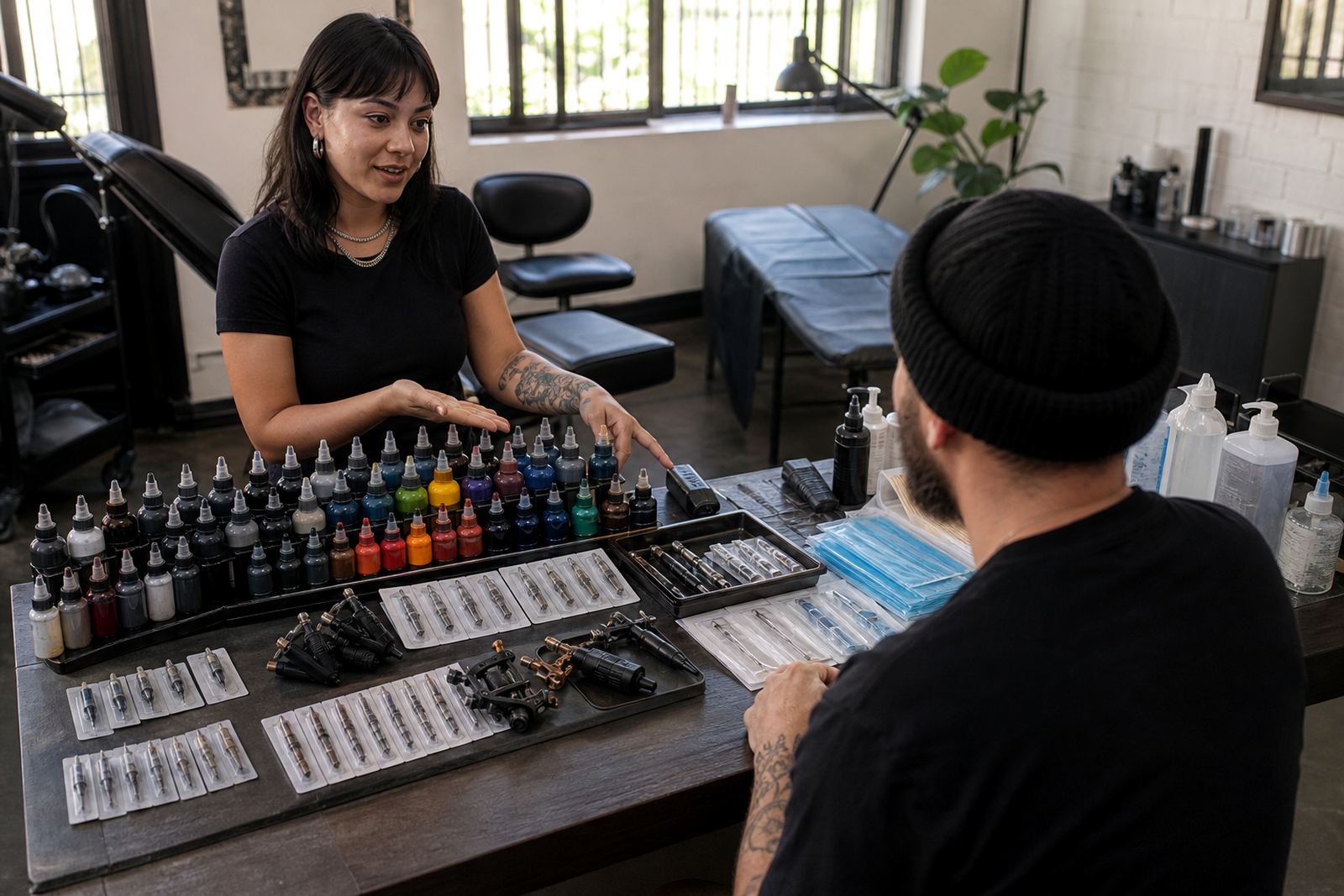
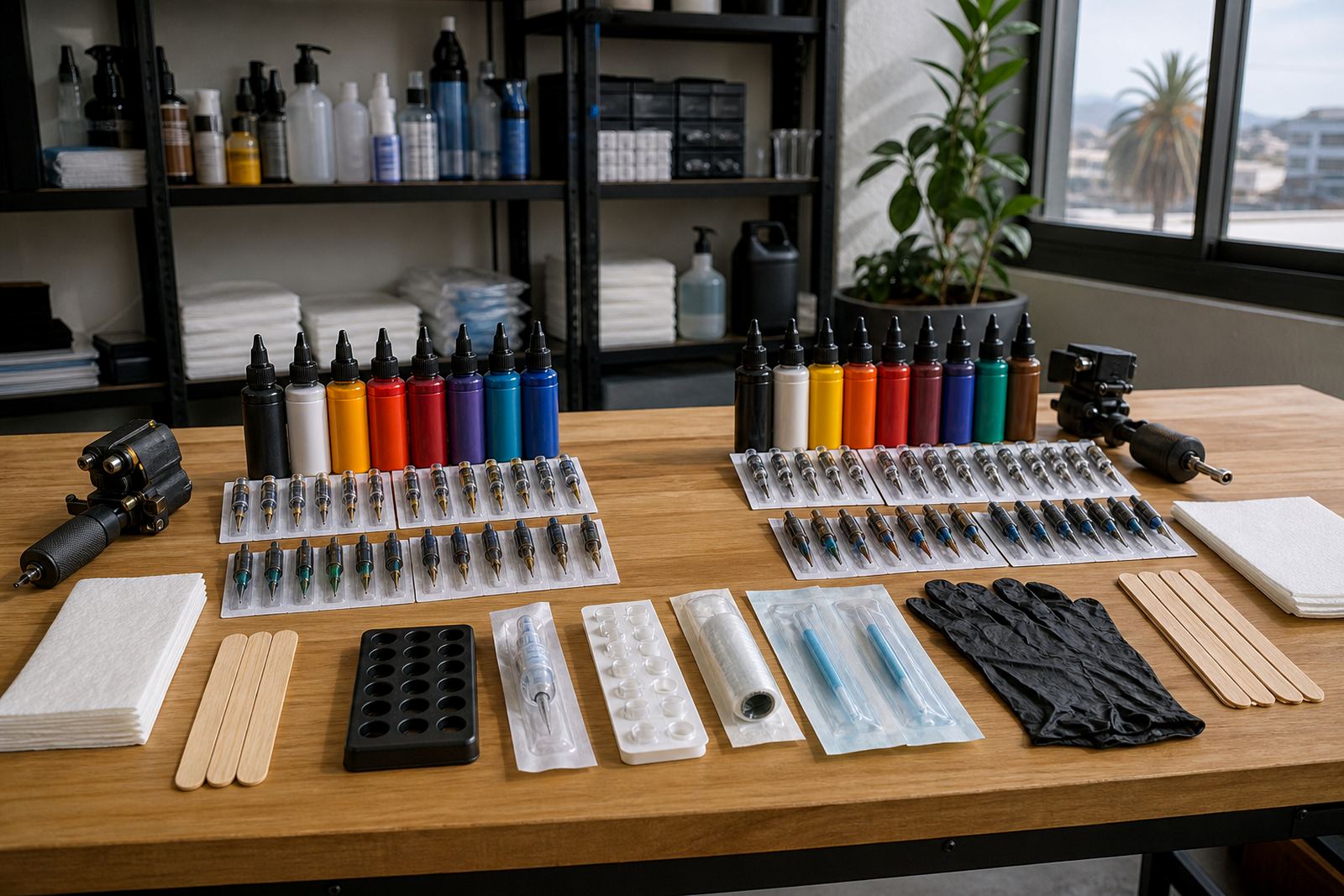
Product substitutions are for moments when a preferred ink, needle grouping or studio consumable is unavailable and a close match is needed without guessing. We compare the core specs first: ink viscosity and use type, needle grouping, cartridge configuration, needle taper, membrane style, machine compatibility, and the pack format needed for busy studio work.
The aim is to keep the working feel as close as possible to what the studio already uses. For inks, that can mean comparing black work, lining, shading or colour ranges by flow, opacity and bottle size. For needles and cartridges, we look at groupings like single needle, round liner, round shader, magnum and curved magnum, plus diameter and taper where the task calls for it.
- Ink type and task fit
- Needle grouping and diameter
- Cartridge body style and membrane type
- Machine compatibility and grip fit
- Single-use pack counts and sterile packaging
What we check before suggesting a swap
Every substitution starts with the item that was requested and the reason it needs replacing. That may be a stock-out, a change in working preference, or a need to keep a station moving for a full day of appointments. We then compare nearby alternatives from the same general product category and keep the selection practical for South African studio use.
For studio supply items, we also look at size and storage needs. A 30 ml bottle, 120 ml bottle and 500 ml storage container are not treated the same, and neither are small sterile packs, bulk packs or mixed sets. In humid coastal areas like Cape Town, Durban and Gqeberha, packaging condition and closed storage matter more, especially for stock that stays in a warm room or moves between shelves and trolley trays.
- Needle count and grouping style
- Cartridge fit, taper and membrane feel
- Ink bottle size and intended use
- Single-use pack quantity
- Storage space and handling conditions
How the substitution process runs
The process is straightforward. Share the item that is missing, the quantity needed, and the closest acceptable substitute you are open to using. If there is no reference item, we work from the job type and the current station setup, then narrow the options to what will slot into the order cleanly.
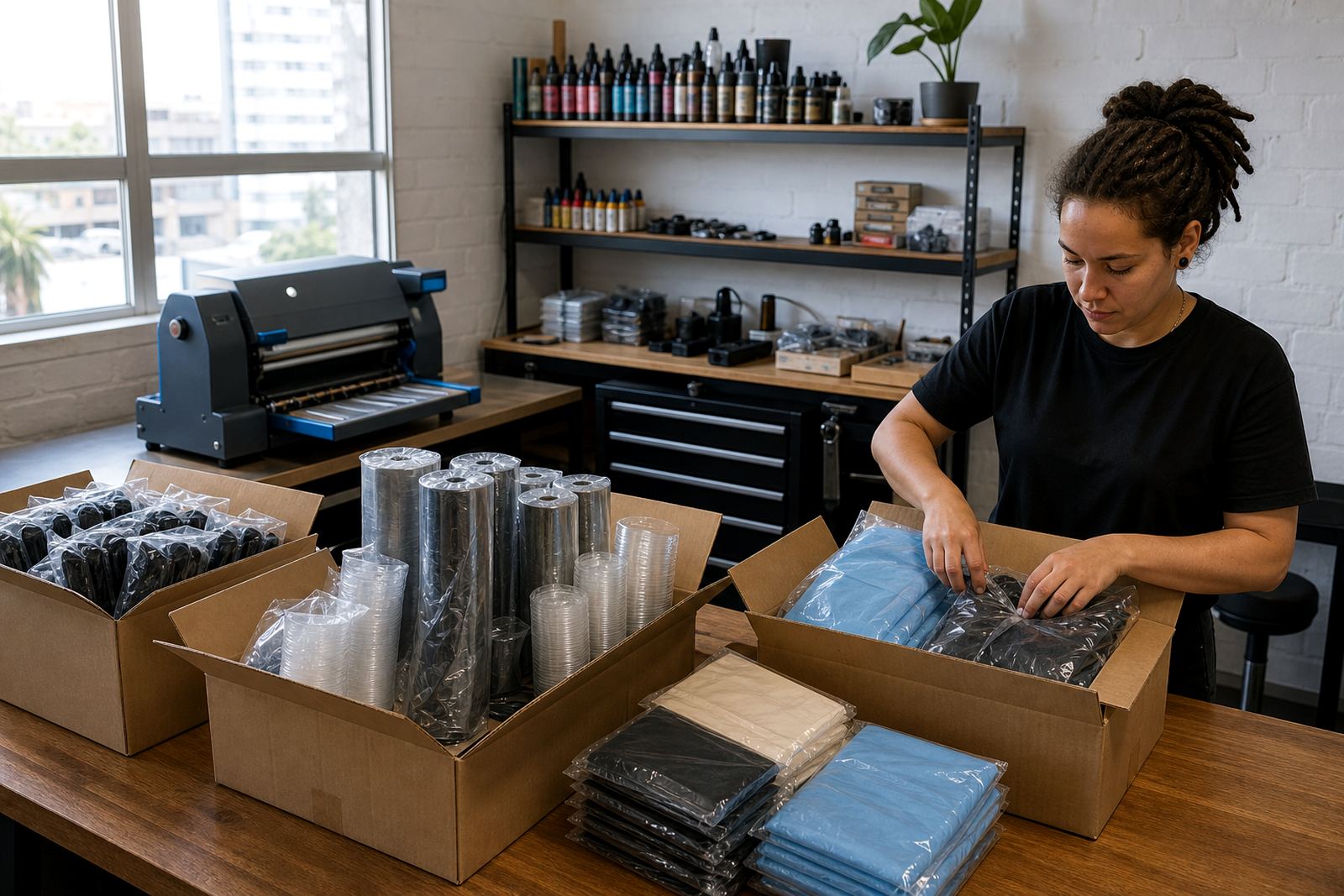
We group the options into plain choices rather than long lists. That makes it easier to pick a replacement for a studio that needs black inks, liner needles, shader cartridges, clip cord or battery powered machines, barrier film, gloves, cups, rinse pots and other sterile single-use items. If the order includes mixed categories, substitutions can be handled per line item so the rest of the cart stays intact.
- Identify the missing item or category
- Check the nearest matching alternative
- Confirm pack size and compatibility
- Adjust the order lines that need changing
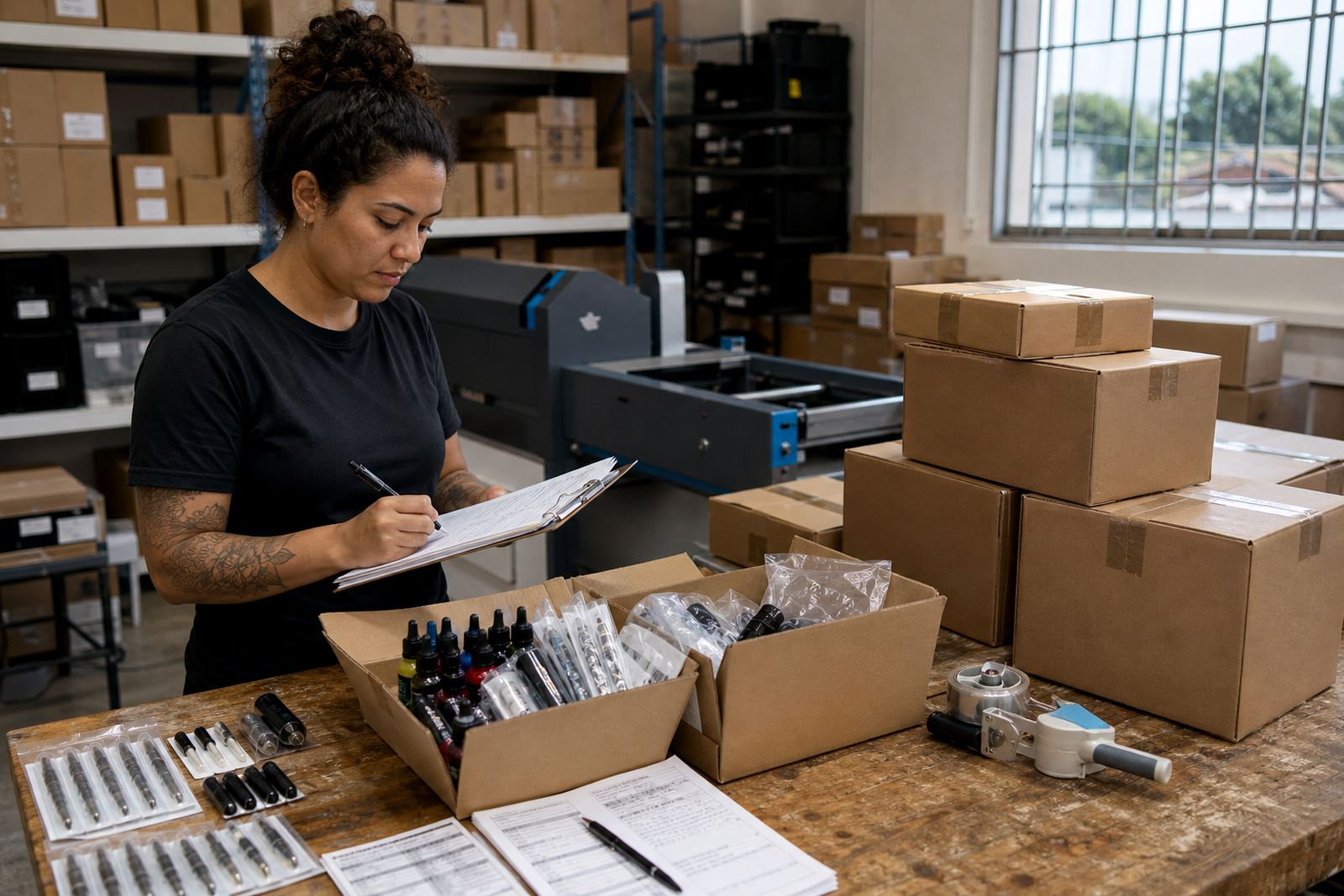
- Prepare the dispatch list for delivery
Turnaround and dispatch planning
Substitution work is usually tied to live stock movement, so the timing depends on what is already on hand and how many line items need review. Small changes can be handled quickly during order processing, while larger swaps involving multiple ink ranges or mixed cartridge groupings need a closer look before dispatch. That keeps the order tidy and reduces avoidable back-and-forth.
We support delivery to studios in Cape Town, Johannesburg, Durban, Pretoria, Gqeberha, Stellenbosch, Bellville and Somerset West. For larger orders or mixed studio kits, it helps to group urgent items first, then note any flexible lines where a nearby substitute is acceptable. That keeps the order moving even when one product is short.
Pricing approach for substitute items
Pricing follows the product selected, not the fact that it was substituted. If the nearest match is a smaller pack, a different cartridge format or a higher volume ink bottle, the total changes with the item chosen. We keep the pricing approach tied to the actual spec so that a studio can compare options clearly before the order is final.
For bulk orders, substitutions can also be used to balance stock across several stations without pushing the basket into unnecessary overspend. That matters when a studio needs a dependable mix of inks, needles, cartridges, barrier products, covers and cleaning consumables for a full week of appointments.
- Price is linked to the selected spec
- Pack size changes the total
- Bulk line swaps can reduce gaps in stock
- Mixed orders are priced by each item line
Aftercare for the order and the stock room
After a substitution is made, it helps to keep the studio stock list updated so the next reorder starts from the right item name, size and pack count. Label the substituted product clearly, set it apart from anything still pending, and store sterile packs in clean, dry conditions away from direct heat and humidity where possible. Follow local health regulations for handling, storage and use of tattoo supplies.
If a substitute becomes the new regular choice, it can be folded into the standard stock list, station plan or consumable reorder sheet. That reduces confusion when multiple artists are sharing one room, especially where cartridge groupings, ink bottles and single-use supplies are tracked by station rather than by person.
- Update item names and pack counts
- Keep sterile stock sealed until use
- Store inks and consumables in a clean, dry space
- Move accepted substitutes into the core reorder list
Key facts
| Service type | Product substitutions for tattoo inks, needles, cartridges and studio supplies |
|---|---|
| Use case | Finding nearby generic alternatives when a preferred item is unavailable |
| Key checks | Needle grouping, cartridge fit, ink type, pack size, sterility and machine compatibility |
| Delivery areas | Cape Town, Johannesburg, Durban, Pretoria, Gqeberha, Stellenbosch, Bellville, Somerset West |
| Ordering support | Product line review, stock list matching, mixed-order adjustments and dispatch planning |
| Supplier base | Observatory, Cape Town |